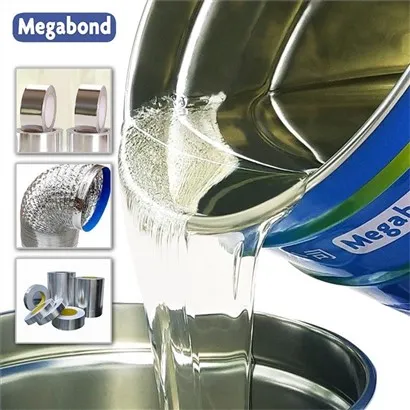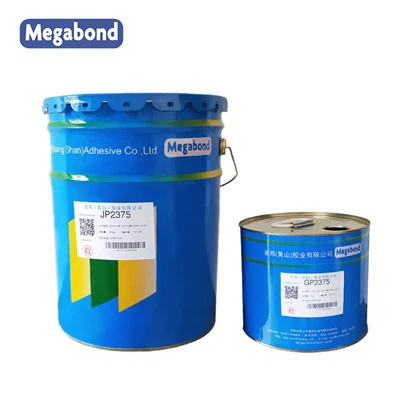


Hey there! As a supplier of solvent based laminating adhesive, I'm super excited to share with you the main components of this amazing product. Solvent based laminating adhesives are widely used in various industries, especially in packaging, due to their excellent bonding properties and versatility.
Resins
The first and most crucial component of solvent based laminating adhesive is resins. Resins act as the backbone of the adhesive, providing the necessary strength and adhesion. There are different types of resins used in these adhesives, and one of the most common ones is polyurethane resin.
Polyurethane resins offer a wide range of benefits. They have high flexibility, which means they can adapt to different substrates and withstand various environmental conditions. Whether it's a flexible plastic film or a rigid cardboard, polyurethane - based solvent laminating adhesives can form a strong bond. For example, our Solvent - based Polyurethane Laminating Adhesive uses high - quality polyurethane resin to ensure a reliable and long - lasting bond.


Another type of resin that can be used is epoxy resin. Epoxy resins are known for their high chemical resistance and excellent bonding strength. They are often used in applications where the laminated materials need to resist harsh chemicals or extreme temperatures. However, compared to polyurethane resins, epoxy resins may be a bit more brittle, so they are usually used in specific applications where high chemical resistance is the top priority.
Solvents
Solvents play a vital role in solvent based laminating adhesives. Their main function is to dissolve the resins and other components, making the adhesive easy to apply. They also help to control the viscosity of the adhesive, which is crucial for achieving a smooth and even coating.
Common solvents used in these adhesives include toluene, ethyl acetate, and methyl ethyl ketone (MEK). Toluene is a very effective solvent with good dissolving power. It can quickly dissolve the resins and other additives, and it evaporates relatively fast, which speeds up the drying process of the adhesive. However, toluene is also a volatile organic compound (VOC), and its use is regulated in many regions due to environmental and health concerns.
Ethyl acetate is a more environmentally friendly alternative. It has a pleasant odor and is less toxic compared to toluene. It also has good solubility for many resins and evaporates at a reasonable rate. Our Solvent - based Economical Laminating Adhesive uses a blend of solvents that includes ethyl acetate to balance performance and environmental impact.
Methyl ethyl ketone (MEK) is another powerful solvent. It has excellent dissolving properties and can be used to formulate adhesives with high solids content. However, like toluene, MEK is also a VOC, and proper ventilation is required during its use.
Additives
Additives are used in solvent based laminating adhesives to enhance specific properties. One of the most common additives is a plasticizer. Plasticizers are added to increase the flexibility of the adhesive. They work by reducing the intermolecular forces between the resin molecules, allowing the adhesive to bend and stretch without cracking. This is especially important in applications where the laminated materials are subject to mechanical stress, such as in flexible packaging.
Another important additive is a stabilizer. Stabilizers are used to prevent the adhesive from degrading over time. They can protect the adhesive from the effects of heat, light, and oxygen. For example, antioxidants are often added as stabilizers to prevent the oxidation of the resins and solvents, which can lead to a decrease in the adhesive's performance.
Some adhesives may also contain adhesion promoters. Adhesion promoters are used to improve the bonding strength between the adhesive and the substrates. They work by chemically reacting with the surface of the substrates, creating a stronger and more durable bond. Our Solvent - based 100℃ Anti - Boiling Laminating Adhesive uses special adhesion promoters to ensure a strong bond even under high - temperature and high - humidity conditions.
Catalysts
In some solvent based laminating adhesives, catalysts are added to speed up the curing process. Curing is the process by which the adhesive changes from a liquid state to a solid state, forming a strong bond. Catalysts work by accelerating the chemical reactions between the resin and other components.
For example, in polyurethane - based adhesives, catalysts can be used to promote the reaction between the isocyanate groups in the polyurethane resin and the hydroxyl groups. This reaction forms a cross - linked polymer network, which gives the adhesive its strength and durability. The amount of catalyst used needs to be carefully controlled, as too much catalyst can cause the adhesive to cure too quickly, resulting in a poor - quality bond, while too little catalyst can lead to a slow curing process and longer production times.
Pigments and Fillers
Pigments and fillers are sometimes added to solvent based laminating adhesives for specific purposes. Pigments are used to give the adhesive a certain color. This can be useful in applications where the appearance of the laminated product is important, such as in decorative laminates.
Fillers, on the other hand, are used to modify the physical properties of the adhesive. For example, adding calcium carbonate as a filler can increase the stiffness and hardness of the adhesive. Fillers can also reduce the cost of the adhesive by replacing some of the more expensive resin components. However, the addition of fillers needs to be carefully balanced, as too many fillers can reduce the adhesion strength and flexibility of the adhesive.
Conclusion
In conclusion, solvent based laminating adhesives are complex products composed of several key components. Resins provide the basic bonding strength, solvents make the adhesive easy to apply, additives enhance specific properties, catalysts speed up the curing process, and pigments and fillers can modify the appearance and physical properties.
If you're in the market for high - quality solvent based laminating adhesives, we've got you covered. Our products are carefully formulated to meet the diverse needs of different industries. Whether you need an economical option, an adhesive that can withstand high temperatures, or a general - purpose polyurethane - based adhesive, we have the right solution for you. Don't hesitate to reach out to us for more information or to start a procurement discussion. We're here to help you find the best adhesive for your specific application.
References
- "Handbook of Adhesives and Sealants" by Andrew Pizzi and K. L. Mittal
- "Adhesive Bonding: Science, Technology, and Applications" by R. D. Adams, W. C. Wake, and M. J. Comyn