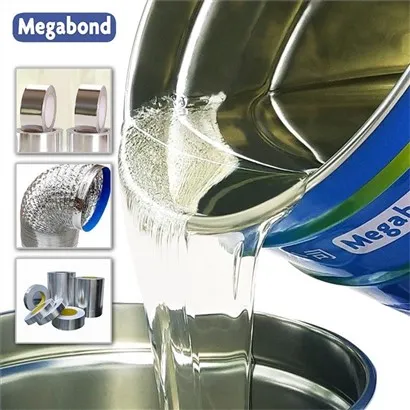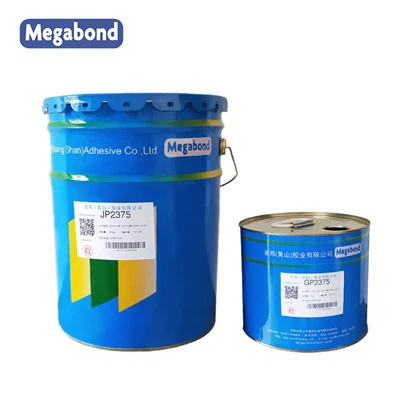


Can acrylic laminating adhesive be used on glass?
As a supplier of acrylic laminating adhesive, I often encounter inquiries from customers about the versatility and applicability of our products. One question that frequently arises is whether acrylic laminating adhesive can be used on glass. In this blog post, I will explore this topic in detail, discussing the properties of acrylic laminating adhesive, the characteristics of glass, and the factors to consider when using acrylic laminating adhesive on glass.
Properties of Acrylic Laminating Adhesive
Acrylic laminating adhesive is a type of adhesive that is widely used in various industries for bonding different materials together. It is known for its excellent adhesion, flexibility, and durability. Acrylic adhesives are available in different forms, including solvent-based, water-based, and hot-melt adhesives.
Water-based acrylic laminating adhesives, such as the Water-based Acrylic Laminating Adhesive, are particularly popular due to their environmental friendliness, low odor, and easy cleaning. These adhesives are formulated to provide strong bonding on a variety of substrates, including paper, cardboard, plastics, and metals.
One of the key properties of acrylic laminating adhesive is its ability to form a strong bond with the substrate. This is achieved through a combination of physical and chemical interactions between the adhesive and the surface of the substrate. The adhesive molecules penetrate the surface of the substrate, creating a mechanical interlock that holds the two materials together. Additionally, the adhesive may form chemical bonds with the substrate, further enhancing the strength of the bond.
Another important property of acrylic laminating adhesive is its flexibility. This allows the adhesive to accommodate the movement and deformation of the bonded materials without losing its adhesion. Flexibility is particularly important when bonding materials that are subject to stress or vibration, such as glass.
Characteristics of Glass
Glass is a non-crystalline, amorphous solid that is widely used in various applications, including windows, mirrors, lenses, and display panels. It is known for its transparency, hardness, and chemical resistance. Glass is made by heating a mixture of silica, soda ash, and limestone to a high temperature until it melts and then cooling it rapidly to form a solid.
One of the key characteristics of glass is its smooth and non-porous surface. This makes it difficult for adhesives to bond to glass, as there are few surface irregularities for the adhesive molecules to penetrate. Additionally, glass is a brittle material that is prone to cracking and breaking under stress. This means that any adhesive used on glass must be able to withstand the forces applied to the glass without causing it to crack or break.
Another important characteristic of glass is its thermal expansion coefficient. Glass expands and contracts with changes in temperature, and this can cause stress on the adhesive bond. If the adhesive does not have a similar thermal expansion coefficient to the glass, it may crack or peel away from the glass surface over time.
Factors to Consider When Using Acrylic Laminating Adhesive on Glass
When considering using acrylic laminating adhesive on glass, there are several factors that need to be taken into account. These include the type of glass, the surface preparation of the glass, the type of adhesive, and the application method.
Type of Glass
There are different types of glass available, each with its own unique properties and characteristics. Some types of glass, such as tempered glass and laminated glass, are more resistant to cracking and breaking than others. When using acrylic laminating adhesive on glass, it is important to choose the appropriate type of glass for the application.
Surface Preparation of the Glass
The surface of the glass must be clean and free of any dirt, grease, or other contaminants before applying the adhesive. This can be achieved by cleaning the glass with a suitable solvent or detergent and then drying it thoroughly. Additionally, the surface of the glass may need to be roughened or etched to improve the adhesion of the adhesive. This can be done using a chemical etchant or a mechanical abrasive.
Type of Adhesive
Not all acrylic laminating adhesives are suitable for use on glass. When choosing an adhesive for glass, it is important to select an adhesive that is specifically formulated for use on glass. These adhesives typically have a high bond strength and are designed to withstand the forces applied to the glass without causing it to crack or break.
Application Method
The application method of the adhesive can also affect the quality of the bond. When applying acrylic laminating adhesive on glass, it is important to follow the manufacturer's instructions carefully. The adhesive should be applied evenly and thinly to the surface of the glass, and any excess adhesive should be removed immediately. Additionally, the bonded materials should be pressed together firmly to ensure a strong bond.
Advantages of Using Acrylic Laminating Adhesive on Glass
Despite the challenges associated with bonding acrylic laminating adhesive to glass, there are several advantages to using this type of adhesive on glass. These include:
Strong Bond Strength
Acrylic laminating adhesive can provide a strong bond between glass and other materials. This makes it suitable for use in applications where a high level of adhesion is required, such as in the construction of glass structures and the assembly of glass components.
Flexibility
The flexibility of acrylic laminating adhesive allows it to accommodate the movement and deformation of the bonded materials without losing its adhesion. This is particularly important when bonding glass, which is a brittle material that is prone to cracking and breaking under stress.
Chemical Resistance
Acrylic laminating adhesive is resistant to many chemicals, including water, solvents, and acids. This makes it suitable for use in applications where the bonded materials may be exposed to harsh chemicals or environments.

Transparency
Some acrylic laminating adhesives are transparent, which allows them to be used in applications where the appearance of the bonded materials is important, such as in the construction of display panels and the assembly of glass furniture.
Conclusion
In conclusion, acrylic laminating adhesive can be used on glass, but it is important to take into account the properties of the adhesive, the characteristics of the glass, and the factors to consider when using the adhesive on glass. By choosing the appropriate type of adhesive, preparing the surface of the glass properly, and using the correct application method, a strong and durable bond can be achieved between glass and other materials.
If you are interested in using acrylic laminating adhesive on glass or have any questions about our products, please do not hesitate to contact us. Our team of experts is available to provide you with technical support and advice to help you choose the right adhesive for your application. We look forward to working with you to meet your bonding needs.
References
- "Adhesives for Glass Bonding," Adhesives.org.
- "Properties of Glass," Corning Incorporated.
- "Acrylic Adhesives: A Comprehensive Guide," Adhesive Systems Inc.