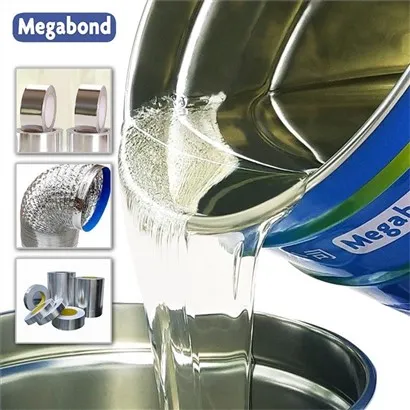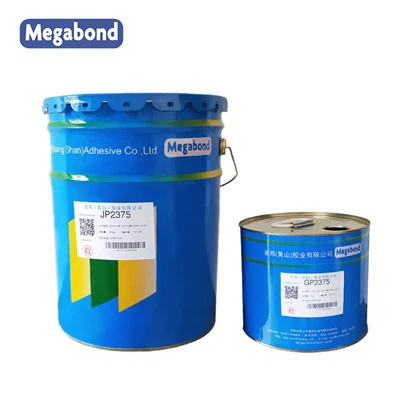


As a supplier of polyether lamination adhesive, I often encounter various inquiries from customers regarding the application scope of our products. One common question that has piqued my interest is whether polyether lamination adhesive can be used for bonding stone. In this blog post, I'll delve into the properties of polyether lamination adhesive, the characteristics of stone, and analyze the feasibility of using this adhesive for stone bonding.


Understanding Polyether Lamination Adhesive
Polyether lamination adhesive is a type of adhesive known for its excellent bonding strength, flexibility, and chemical resistance. It is widely used in the packaging industry for laminating different materials such as plastics, papers, and foils. The adhesive forms a strong bond by reacting with the hydroxyl groups on the surface of the substrates, creating a durable and reliable connection.
One of the key advantages of polyether lamination adhesive is its versatility. It can be formulated to meet different application requirements, such as Solvent-free 100℃ Anti-Cooking Laminating Adhesive, which is suitable for applications requiring resistance to high temperatures and cooking processes. Another example is the Solvent-free 125℃ Retortable Laminating Adhesive, designed for retort packaging where the products need to withstand high-pressure sterilization. Additionally, the Solvent-free MET Plastic Film Laminating Adhesive is specifically developed for laminating metalized plastic films.
Characteristics of Stone
Stone is a natural material with unique physical and chemical properties. It has high hardness, density, and strength, making it a popular choice for construction, decoration, and other applications. However, stone also has some characteristics that can pose challenges for adhesive bonding.
Firstly, stone surfaces are often porous, which means they can absorb moisture and other substances. This can affect the adhesion of the adhesive, as the absorbed moisture can interfere with the chemical reaction between the adhesive and the stone surface. Secondly, stone can have a rough or uneven surface, which can make it difficult for the adhesive to form a uniform bond. Thirdly, stone is sensitive to temperature and humidity changes, which can cause it to expand or contract. This can put stress on the adhesive bond and potentially lead to failure.
Feasibility of Using Polyether Lamination Adhesive for Stone Bonding
Based on the properties of polyether lamination adhesive and stone, there are both opportunities and challenges for using this adhesive for stone bonding.
Advantages
- Bonding Strength: Polyether lamination adhesive has strong bonding strength, which can potentially provide a reliable connection between stone pieces. It can adhere to the stone surface through chemical and mechanical bonding mechanisms, creating a stable bond.
- Flexibility: The flexibility of polyether lamination adhesive can help to accommodate the natural movement and expansion of stone due to temperature and humidity changes. This can reduce the risk of bond failure caused by stress.
- Chemical Resistance: Polyether lamination adhesive is resistant to many chemicals, which can protect the bond from damage caused by environmental factors such as moisture, acids, and alkalis.
Challenges
- Surface Preparation: As mentioned earlier, stone surfaces are often porous and rough. Proper surface preparation is crucial to ensure good adhesion. This may involve cleaning the stone surface to remove dirt, dust, and other contaminants, and using primers or surface treatments to improve the wettability and adhesion of the adhesive.
- Curing Conditions: Polyether lamination adhesive typically requires specific curing conditions, such as temperature and humidity, to achieve optimal bonding performance. Stone, being a natural material, may have different thermal and moisture properties, which can affect the curing process of the adhesive.
- Long-Term Durability: While polyether lamination adhesive has good chemical resistance, the long-term durability of the bond in outdoor or high-stress environments needs to be further evaluated. Factors such as UV exposure, weathering, and mechanical stress can potentially affect the performance of the adhesive over time.
Testing and Evaluation
To determine the suitability of polyether lamination adhesive for stone bonding, it is essential to conduct thorough testing and evaluation. This can include the following steps:
- Adhesion Testing: Perform adhesion tests on different types of stone using the polyether lamination adhesive. Measure the bond strength and evaluate the failure mode (e.g., cohesive failure within the adhesive or adhesive failure at the interface).
- Environmental Testing: Subject the bonded stone samples to different environmental conditions, such as temperature cycling, humidity exposure, and UV radiation. Monitor the performance of the bond over time and assess any changes in adhesion or appearance.
- Long-Term Performance Testing: Conduct long-term performance tests in real-world or simulated real-world conditions to evaluate the durability of the bond. This can help to identify any potential issues and ensure that the adhesive meets the required performance standards.
Conclusion
In conclusion, while polyether lamination adhesive has the potential to be used for stone bonding, it is not a straightforward application. The unique properties of stone, such as its porosity, surface roughness, and sensitivity to environmental factors, pose challenges that need to be addressed through proper surface preparation, curing conditions, and testing.
If you are considering using polyether lamination adhesive for stone bonding, I recommend consulting with our technical team. We can provide you with detailed information about our products, offer advice on surface preparation and application techniques, and conduct customized testing to ensure that the adhesive meets your specific requirements.
If you are interested in learning more about our polyether lamination adhesive products or would like to discuss potential applications for stone bonding, please feel free to contact us. We are committed to providing high-quality adhesive solutions and excellent customer service. Let's work together to find the best adhesive solution for your needs.
References
- ASTM International. (Year). Standard test methods for evaluating the adhesion of adhesives.
- National Stone Institute. (Year). Technical guidelines for stone installation.
- Adhesive and Sealant Council. (Year). Handbook of adhesive technology.