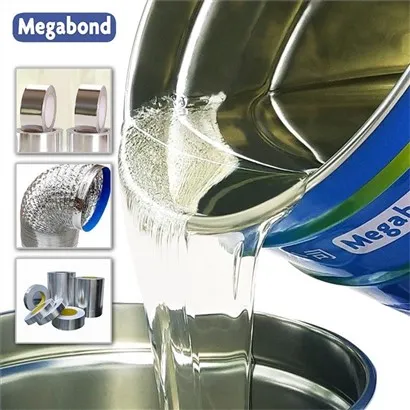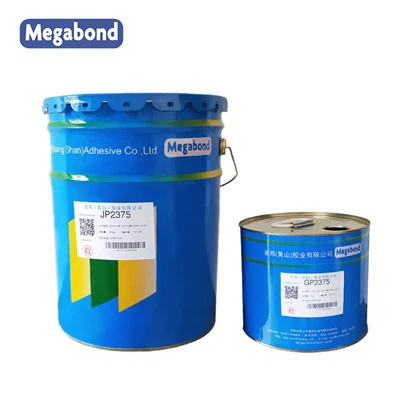


In the packaging industry, polyether lamination adhesive plays a crucial role in ensuring the integrity and performance of laminated structures. As a polyether lamination adhesive supplier, I've witnessed firsthand the significance of understanding how application pressure can affect the bonding performance of these adhesives. In this blog post, we'll delve into the scientific aspects of this relationship and explore its practical implications.
The Basics of Polyether Lamination Adhesive
Polyether lamination adhesives are widely used in flexible packaging applications due to their excellent adhesion properties, chemical resistance, and flexibility. These adhesives typically consist of a polyether - based resin and a curing agent. When applied between two or more substrates, such as films or foils, they form a strong bond that holds the layers together.

The bonding process involves several steps. First, the adhesive is applied to one of the substrates. Then, the substrates are brought into contact under a certain amount of pressure. During this time, the adhesive spreads evenly across the surface, wetting the substrate and forming intermolecular bonds. Finally, the adhesive cures, either through a chemical reaction or by evaporation of solvents (in the case of solvent - based adhesives).
Understanding Application Pressure
Application pressure is a critical parameter in the lamination process. It refers to the force applied to the substrates during the bonding process to ensure proper contact between the adhesive and the substrates. The pressure can be applied in various ways, such as through rollers in a laminating machine.
There are two main types of pressure in the lamination process: nip pressure and line pressure. Nip pressure is the average pressure applied across the width of the laminating nip (the area where the substrates come together). Line pressure, on the other hand, is the pressure per unit length along the nip.
How Application Pressure Affects Bonding Performance
Wetting and Spreading
One of the primary ways application pressure affects bonding performance is by influencing the wetting and spreading of the adhesive on the substrate surface. Adequate pressure helps the adhesive to flow and cover the substrate evenly. When the pressure is too low, the adhesive may not spread properly, leaving gaps or uneven areas. This can result in poor adhesion and weak bonds.
For example, if we consider a Solvent - free Polyether Laminating Adhesive, when applied with insufficient pressure, it may not fully wet the surface of a rough or porous substrate. As a result, the adhesive - substrate interface will have a lower contact area, reducing the number of intermolecular bonds and weakening the overall bond strength.
Conversely, when the application pressure is high enough, the adhesive can penetrate into the microscopic irregularities of the substrate surface, increasing the contact area and improving wetting. This leads to a stronger bond between the adhesive and the substrate.
Bond Strength
Bond strength is a key indicator of the performance of polyether lamination adhesives. Application pressure has a direct impact on bond strength. Higher pressures generally result in stronger bonds, up to a certain point.
When pressure is applied during lamination, it helps to remove air bubbles from the adhesive layer. Air bubbles can act as stress concentrators, weakening the bond and making it more prone to failure. By eliminating air bubbles, the adhesive can form a more continuous and uniform bond, enhancing its strength.
In addition, the pressure can promote the interdiffusion of the adhesive and the substrate molecules. This interdiffusion process creates a more intimate and stronger bond between the two materials. However, if the pressure is too high, it can cause the adhesive to squeeze out from the bonding area, resulting in a thinner adhesive layer and potentially reducing the bond strength.
Curing Process
The application pressure can also affect the curing process of polyether lamination adhesives. In some cases, pressure can accelerate the curing reaction. For solvent - free adhesives, pressure can help to bring the reactive components of the adhesive into closer contact, facilitating the chemical reaction that leads to curing.
On the other hand, excessive pressure during the curing process can have negative effects. It may cause the adhesive to deform or flow in an uncontrolled manner, disrupting the curing process and affecting the final properties of the bond.
Practical Considerations for Controlling Application Pressure
As a polyether lamination adhesive supplier, I often work with customers to optimize the application pressure in their lamination processes. Here are some practical tips:
- Understand the Substrate Properties: Different substrates have different surface characteristics, such as roughness, porosity, and surface energy. These properties can affect how the adhesive spreads and bonds under pressure. For example, a rough substrate may require higher pressure to ensure proper wetting compared to a smooth substrate.
- Choose the Right Laminating Equipment: The type of laminating equipment used can significantly impact the application pressure. Roll - to - roll laminating machines with adjustable pressure settings are commonly used. Make sure the equipment is well - maintained and calibrated to ensure accurate and consistent pressure application.
- Conduct Trials: Before full - scale production, it's essential to conduct trials with different pressure settings. This allows you to determine the optimal pressure for your specific application, taking into account factors such as substrate materials, adhesive type, and production speed.
Case Studies
Let's look at a couple of case studies to illustrate the impact of application pressure on the bonding performance of polyether lamination adhesives.
Case Study 1: Packaging for Food Products A food packaging manufacturer was using a Solvent - free 121℃ Retortable Laminating Adhesive to laminate a polyester film to an aluminum foil. Initially, they were experiencing delamination issues after the retort process. After investigating, it was found that the application pressure was too low. By increasing the pressure in the laminating process, the adhesive was able to wet the surfaces more effectively, resulting in a stronger bond. The delamination problem was resolved, and the packaged food products maintained their integrity during the retort process.

Case Study 2: Pharmaceutical Packaging A pharmaceutical company was using a Solvent - free Aluminum Foil To Films Laminating Adhesive to laminate aluminum foil to a plastic film for blister packs. They noticed that the bond strength was inconsistent, which could potentially compromise the protection of the pharmaceutical products. After adjusting the application pressure and ensuring uniform pressure distribution across the laminating nip, the bond strength became more consistent, meeting the quality requirements for pharmaceutical packaging.
Conclusion
In conclusion, application pressure is a critical factor that significantly affects the bonding performance of polyether lamination adhesives. By understanding how pressure influences wetting, spreading, bond strength, and the curing process, manufacturers can optimize their lamination processes to achieve high - quality bonds.
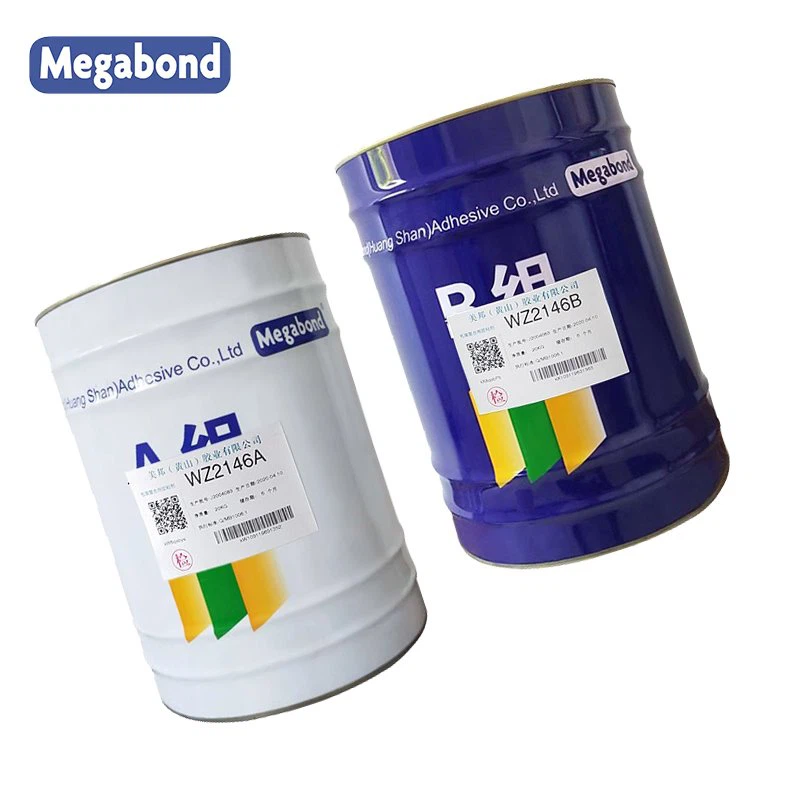
As a polyether lamination adhesive supplier, I'm committed to providing our customers with not only high - quality adhesives but also technical support to help them understand and control the application pressure in their processes. If you're interested in learning more about our products or have any questions regarding the application of polyether lamination adhesives, we encourage you to contact us for a procurement discussion. Our team of experts is ready to assist you in finding the best solutions for your packaging needs.
References
- "Handbook of Adhesives" by I. Skeist.
- "Adhesive Bonding: Science, Technology, and Applications" by L. S. de Vries.
- Industry research reports on flexible packaging adhesives.