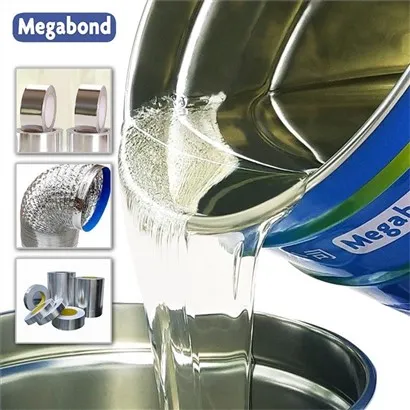


Hey there! As a laminating adhesive supplier, I often get asked about how to adjust the viscosity of laminating adhesive. It's a crucial aspect, as the right viscosity can make a huge difference in the lamination process. In this blog, I'll share some practical tips and insights on this topic.
Why Viscosity Matters
Before we dive into the adjustment methods, let's quickly understand why viscosity is so important. Viscosity refers to the thickness or resistance to flow of a liquid. In the case of laminating adhesive, the right viscosity ensures proper coating, bonding, and overall performance.
If the viscosity is too high, the adhesive may not spread evenly on the substrate, leading to uneven lamination, air bubbles, or poor bonding. On the other hand, if the viscosity is too low, the adhesive may run off the substrate, causing inconsistent coverage and weak bonds. So, finding the sweet spot is essential for a successful lamination job.
Factors Affecting Viscosity
Several factors can influence the viscosity of laminating adhesive. Here are some of the main ones:
Temperature
Temperature has a significant impact on viscosity. Generally, as the temperature increases, the viscosity of the adhesive decreases. This is because higher temperatures provide more energy to the molecules, allowing them to move more freely and reducing the internal friction within the adhesive. Conversely, lower temperatures increase viscosity.

For example, if you're working in a cold environment, the adhesive may become thicker and more difficult to apply. In such cases, you may need to heat the adhesive or the working area to bring the viscosity to an appropriate level.
Solvent Content
If the laminating adhesive contains solvents, the solvent content can affect its viscosity. Solvents act as diluents, reducing the viscosity of the adhesive. By adjusting the amount of solvent added to the adhesive, you can control its viscosity.
However, it's important to note that using too much solvent can have negative effects on the bonding strength and durability of the adhesive. Additionally, solvents can be volatile and may pose health and environmental risks, so proper ventilation and safety measures should be taken when working with solvent-based adhesives.
Resin Type and Concentration
The type and concentration of the resin in the adhesive also play a role in determining its viscosity. Different resins have different inherent viscosities, and the concentration of the resin in the adhesive formulation can further affect its thickness.
For instance, a higher resin concentration will generally result in a more viscous adhesive. Adhesive manufacturers carefully select the resin type and adjust the concentration to achieve the desired viscosity and performance characteristics for specific applications.
Methods to Adjust Viscosity
Temperature Control
As mentioned earlier, temperature is a powerful tool for adjusting viscosity. Most laminating adhesives have a recommended operating temperature range specified by the manufacturer. By maintaining the adhesive and the working environment within this range, you can ensure optimal viscosity.
If the adhesive is too thick, you can gently heat it using a heating device such as a water bath or a heating pad. Make sure to heat the adhesive slowly and evenly to avoid overheating, which can cause the adhesive to degrade or change its properties.
Conversely, if the adhesive is too thin, you can cool it down by placing it in a cooler environment or using a cooling device. However, be careful not to let the adhesive freeze, as this can also damage its structure and performance.
Solvent Addition or Removal
If your laminating adhesive is solvent-based, you can adjust its viscosity by adding or removing solvents. To increase the viscosity, you can allow some of the solvents to evaporate by leaving the adhesive container open in a well-ventilated area for a period of time.
To decrease the viscosity, you can add a small amount of the appropriate solvent to the adhesive and mix it thoroughly. It's important to use the same type of solvent recommended by the adhesive manufacturer to avoid compatibility issues.
When adding or removing solvents, it's crucial to follow the manufacturer's instructions and safety guidelines. Solvents can be flammable, toxic, or harmful to the environment, so proper handling and disposal are essential.
Thickeners or Thinners
In some cases, you may need to use thickeners or thinners specifically designed for laminating adhesives to adjust their viscosity. Thickeners are additives that increase the viscosity of the adhesive, while thinners reduce it.
These additives are usually available in liquid or powder form and can be added to the adhesive in small amounts. It's important to start with a small quantity and gradually increase or decrease it until you achieve the desired viscosity. Make sure to mix the additive thoroughly with the adhesive to ensure uniform distribution.
Mixing Speed and Time
The way you mix the laminating adhesive can also affect its viscosity. Increasing the mixing speed and time can help to break down any clumps or aggregates in the adhesive, resulting in a more homogeneous mixture with a consistent viscosity.
However, be careful not to overmix the adhesive, as this can introduce air bubbles or cause the adhesive to heat up, which may affect its viscosity and performance. Follow the manufacturer's recommendations regarding the mixing speed and time for the specific adhesive you're using.
Our Laminating Adhesive Products
At our company, we offer a range of high-quality laminating adhesives with different viscosity characteristics to meet the diverse needs of our customers. Here are some of our popular products:
- Solvent-free 121℃ Retortable Laminating Adhesive: This adhesive is designed for retort packaging applications that require high-temperature resistance. It has a suitable viscosity for easy application and provides excellent bonding strength and chemical resistance.
- Solvent-free 125℃ Retortable Laminating Adhesive: Similar to the 121℃ version, this adhesive can withstand even higher temperatures, making it ideal for more demanding retort packaging requirements. It offers good viscosity control and reliable performance.
- Solvent-free Polyether Laminating Adhesive: This adhesive is based on polyether technology and provides excellent flexibility and adhesion. It has a well-balanced viscosity for smooth and efficient lamination processes.
Conclusion
Adjusting the viscosity of laminating adhesive is a critical step in achieving high-quality lamination results. By understanding the factors that affect viscosity and using the appropriate adjustment methods, you can ensure that the adhesive performs optimally in your specific application.
If you have any questions or need further assistance with viscosity adjustment or choosing the right laminating adhesive for your project, don't hesitate to reach out to us. We're here to help you find the best solutions for your lamination needs. Let's start a conversation and explore how our products can benefit your business!
References
- "Laminating Adhesive Technology Handbook"
- Manufacturer's technical data sheets for laminating adhesives