

Hey there! If you're in the middle of a project that involves laminating, you know how crucial it is to pick the right laminating adhesive. As a laminating adhesive supplier, I've seen firsthand the headaches that come with using the wrong glue. In this blog, I'll share some tips on how to choose the perfect laminating adhesive for your project.
Understanding Your Project Needs
First things first, you need to understand what your project demands. Are you working on packaging materials, signs, or something else entirely? Different projects have different requirements, and that's where the type of adhesive matters.
For instance, if you're laminating packaging for food products, you'll need an adhesive that's safe for contact with food. It should also be able to withstand the conditions inside the packaging, like moisture and temperature changes. On the other hand, if you're laminating signs for outdoor use, the adhesive needs to be weather - resistant and durable.
Types of Laminating Adhesives
There are several types of laminating adhesives out there, each with its own set of pros and cons. Let's take a look at some common ones.
Solvent - based Adhesives
These adhesives have been around for a long time. They're known for their strong bonding power and quick drying time. However, they do have some drawbacks. Solvent - based adhesives contain volatile organic compounds (VOCs), which can be harmful to the environment and human health. Plus, they need proper ventilation during application.
Water - based Adhesives
Water - based adhesives are a more eco - friendly option. They have low VOC emissions and are easy to clean up with just water. They're great for projects where you don't need super - strong bonding, like laminating paper or fabric. But they may take longer to dry compared to solvent - based adhesives.
Solvent - free Adhesives
Solvent - free adhesives are becoming increasingly popular. They offer the best of both worlds: strong bonding without the harmful VOCs. We have some great options in this category. For example, the Solvent - free 100℃ Anti - Cooking Laminating Adhesive is perfect for projects that involve high - temperature cooking processes. It can withstand up to 100℃ without losing its bonding strength.
Another great product is the Solvent - free Anti - Chemicals Laminating Adhesive. If your project is exposed to chemicals, this adhesive will protect the laminated layers and keep them firmly bonded.
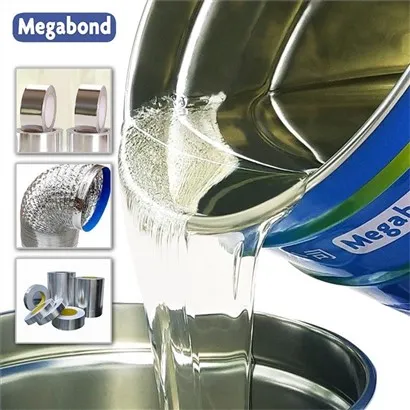
And if you're working on laminating aluminum foil to films, our Solvent - free Aluminum Foil To Films Laminating Adhesive is the way to go. It provides a strong and reliable bond between the aluminum foil and the film.
Consider the Substrates
The materials you're laminating, or substrates, play a huge role in choosing the right adhesive. Different substrates have different surface properties, such as porosity, smoothness, and chemical composition.
For example, if you're laminating a porous substrate like paper, you'll need an adhesive that can penetrate the pores and create a strong bond. A water - based adhesive might be a good choice here. But if you're laminating a non - porous substrate like plastic or metal, a solvent - free or solvent - based adhesive may work better.
Bonding Strength Requirements
Think about how strong the bond needs to be. If your project will be under a lot of stress, like in a high - traffic area or subject to mechanical forces, you'll need an adhesive with high bonding strength.
On the other hand, if it's a simple, low - stress project, like laminating a photo in a frame, you can get away with a less - strong adhesive.
Application Method
The way you plan to apply the adhesive is also important. Some adhesives are designed for manual application, while others are better suited for machine application.


If you're using a machine, make sure the adhesive is compatible with the machine's specifications. It should have the right viscosity and drying time to work smoothly with the equipment.
Drying and Curing Time
Drying and curing time can affect your project timeline. If you're on a tight schedule, you'll want an adhesive that dries and cures quickly. Solvent - based adhesives usually dry faster than water - based ones.
However, keep in mind that a faster - drying adhesive may not always have the best long - term bonding strength. Sometimes, it's worth waiting a bit longer for a more durable bond.
Cost
Let's not forget about cost. Adhesive prices can vary widely depending on the type, brand, and quantity. While it's tempting to go for the cheapest option, remember that quality matters. A low - cost adhesive may end up costing you more in the long run if it doesn't perform well and you have to redo the project.
Compatibility with Other Materials
If your project involves other materials, like inks or coatings, make sure the adhesive is compatible with them. Incompatible materials can lead to problems like delamination or discoloration.
Storage and Shelf Life
Consider how the adhesive needs to be stored and its shelf life. Some adhesives need to be stored in a cool, dry place, while others can tolerate more extreme conditions. A long shelf life can be beneficial, especially if you don't use the adhesive very often.
Testing the Adhesive
Before using an adhesive on a large - scale project, it's a good idea to do some small - scale tests. Apply the adhesive to a sample of the substrates and see how it performs. Check for bonding strength, drying time, and any signs of incompatibility.
Contact Us for Your Laminating Adhesive Needs
If you're still not sure which laminating adhesive is right for your project, don't worry! As a laminating adhesive supplier, we have a team of experts who can help you make the right choice. We offer a wide range of high - quality laminating adhesives to meet all your needs.
Whether you're a small business owner or a large - scale manufacturer, we can provide you with the right product at a competitive price. Contact us to discuss your project requirements and start a procurement negotiation. We're here to make sure your laminating project is a success.
References
- ASTM International. "Standards for Adhesives." ASTM.
- Adhesive and Sealant Council. "Guide to Choosing Adhesives." ASC.