

When it comes to selecting the right solvent-based polyurethane adhesive for a specific application, there are numerous factors to consider. As a solvent-based polyurethane adhesive supplier, I understand the importance of making the correct choice, as it can significantly impact the performance, durability, and overall success of your project. In this blog post, I'll guide you through the key considerations to help you make an informed decision.
Understanding Solvent-Based Polyurethane Adhesives
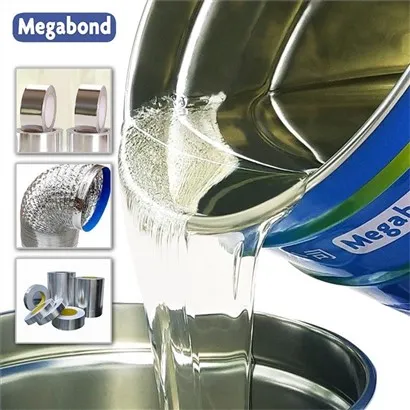
Solvent-based polyurethane adhesives are widely used in various industries due to their excellent bonding strength, flexibility, and resistance to environmental factors. These adhesives consist of a polyurethane resin dissolved in a solvent, which evaporates during the curing process, leaving behind a strong bond. They are suitable for bonding a wide range of materials, including plastics, metals, rubbers, and fabrics.


Factors to Consider When Choosing a Solvent-Based Polyurethane Adhesive
1. Substrate Materials
The first and most crucial factor to consider is the type of materials you need to bond. Different substrates have different surface energies, porosities, and chemical compositions, which can affect the adhesive's ability to bond effectively. For example, bonding plastics may require an adhesive with good wetting properties to ensure proper adhesion, while bonding metals may require an adhesive with high strength and corrosion resistance.
- Plastics: When bonding plastics, it's important to choose an adhesive that is compatible with the specific type of plastic. Some plastics, such as polyethylene and polypropylene, have low surface energies and require surface treatment, such as corona treatment or primer application, to improve adhesion. Solvent-based MET Plastic Film Laminating Adhesive is specifically designed for bonding metalized plastic films, providing excellent adhesion and barrier properties.
- Metals: Metals have high surface energies and can be bonded effectively with solvent-based polyurethane adhesives. However, it's important to consider the type of metal and its surface condition. For example, bonding aluminum may require an adhesive with good corrosion resistance, while bonding stainless steel may require an adhesive with high temperature resistance.
- Rubbers and Fabrics: Bonding rubbers and fabrics requires an adhesive that can provide flexibility and durability. Solvent-based polyurethane adhesives are often a good choice for these applications, as they can withstand the movement and stress associated with rubber and fabric materials.
2. Application Conditions
The application conditions, such as temperature, humidity, and pressure, can also have a significant impact on the performance of the adhesive. Different adhesives have different temperature and humidity ranges within which they can cure properly and provide optimal bonding strength.
- Temperature: The curing temperature of the adhesive is an important consideration. Some adhesives require high temperatures to cure, while others can cure at room temperature. It's important to choose an adhesive that can cure within the temperature range of your application. For example, if you're bonding materials in a cold environment, you may need an adhesive that can cure at low temperatures.
- Humidity: Humidity can also affect the curing process of the adhesive. Some adhesives are sensitive to humidity and may require a controlled environment to cure properly. It's important to choose an adhesive that can tolerate the humidity levels in your application.
- Pressure: The amount of pressure applied during the bonding process can also affect the adhesion strength. Some adhesives require high pressure to ensure proper bonding, while others can bond effectively with minimal pressure. It's important to follow the manufacturer's recommendations regarding pressure application.
3. Bonding Strength and Durability
The bonding strength and durability of the adhesive are critical factors to consider, especially for applications that require long-term performance. The bonding strength of the adhesive is determined by its chemical composition, curing process, and the surface properties of the substrates.
- Tensile Strength: Tensile strength is the maximum amount of stress that an adhesive can withstand before it breaks. It's an important measure of the adhesive's bonding strength. When choosing an adhesive, it's important to select one with a tensile strength that is appropriate for your application.
- Shear Strength: Shear strength is the maximum amount of stress that an adhesive can withstand when it is subjected to a shearing force. It's another important measure of the adhesive's bonding strength. For applications that involve shearing forces, such as bonding joints in machinery or automotive parts, it's important to choose an adhesive with high shear strength.
- Durability: The durability of the adhesive refers to its ability to withstand environmental factors, such as heat, moisture, chemicals, and UV radiation, over time. For applications that are exposed to harsh environments, it's important to choose an adhesive with good durability. Solvent-based 125℃ Anti-Retorting Laminating Adhesive is designed for applications that require high temperature resistance and can withstand the retorting process, making it suitable for food packaging applications.
4. Chemical Resistance
If your application involves exposure to chemicals, such as solvents, acids, or bases, it's important to choose an adhesive that has good chemical resistance. Different adhesives have different levels of chemical resistance, depending on their chemical composition.
- Solvent Resistance: Solvent resistance is the ability of the adhesive to withstand the effects of solvents. For applications that involve exposure to solvents, such as bonding in the printing or coating industry, it's important to choose an adhesive with good solvent resistance.
- Acid and Base Resistance: Acid and base resistance is the ability of the adhesive to withstand the effects of acids and bases. For applications that involve exposure to acids or bases, such as bonding in the chemical or pharmaceutical industry, it's important to choose an adhesive with good acid and base resistance.
5. Curing Time and Process
The curing time and process of the adhesive are important considerations, especially for applications that require fast turnaround times. Different adhesives have different curing times and processes, which can affect the productivity and efficiency of your operation.
- Curing Time: The curing time of the adhesive refers to the time it takes for the adhesive to reach its maximum bonding strength. Some adhesives cure quickly, while others may take several hours or even days to cure completely. It's important to choose an adhesive with a curing time that is appropriate for your application.
- Curing Process: The curing process of the adhesive refers to the method used to initiate and accelerate the curing reaction. Some adhesives cure at room temperature, while others require heat or UV radiation to cure. It's important to choose an adhesive with a curing process that is compatible with your application.
6. Environmental and Safety Considerations
In today's environmentally conscious world, it's important to consider the environmental and safety implications of the adhesive. Solvent-based polyurethane adhesives contain solvents, which can release volatile organic compounds (VOCs) into the air during the curing process. VOCs can have a negative impact on the environment and human health, so it's important to choose an adhesive with low VOC emissions.
- Low VOC Adhesives: Many manufacturers now offer low VOC solvent-based polyurethane adhesives, which are designed to minimize the environmental impact of the adhesive. These adhesives typically have lower VOC emissions and are more environmentally friendly.
- Safety Precautions: When using solvent-based polyurethane adhesives, it's important to follow the manufacturer's safety precautions. This may include wearing protective equipment, such as gloves and goggles, and working in a well-ventilated area.
Conclusion
Choosing the right solvent-based polyurethane adhesive for a specific application requires careful consideration of several factors, including substrate materials, application conditions, bonding strength and durability, chemical resistance, curing time and process, and environmental and safety considerations. By understanding these factors and working with a reputable adhesive supplier, you can select an adhesive that meets your specific requirements and provides optimal performance for your application.
If you're looking for a high-quality solvent-based polyurethane adhesive for your project, please don't hesitate to contact us. Our team of experts can help you choose the right adhesive for your application and provide you with the technical support and guidance you need to ensure a successful bonding process.
References
- ASTM International. (2023). ASTM standards related to adhesive testing and evaluation.
- Handbook of Adhesives and Sealants. (2022). Edited by A. Pizzi and K. L. Mittal.
- Adhesive and Sealant Council. (2023). Technical resources and guidelines for adhesive selection and application.