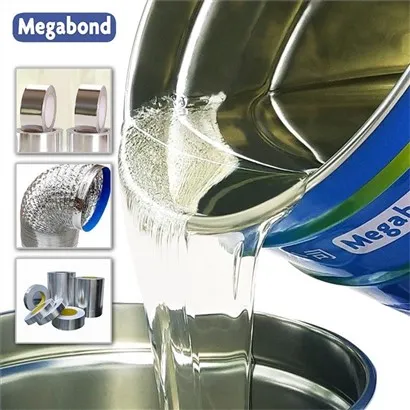


Humidity is a critical environmental factor that can significantly impact the performance of water-based lamination adhesives. As a supplier of water-based lamination adhesives, I've witnessed firsthand how fluctuations in humidity levels can pose challenges during the lamination process. In this blog, I'll delve into the effects of humidity on water-based lamination adhesives and share practical strategies to mitigate these issues.
Understanding the Impact of Humidity on Water-Based Lamination Adhesives
Water-based lamination adhesives are formulated with water as the primary solvent. While this makes them environmentally friendly and easy to clean up, it also means they are highly sensitive to humidity. Here's how humidity can affect the adhesive in different stages of the lamination process:
1. Drying Time
High humidity levels slow down the evaporation of water from the adhesive. When the adhesive takes longer to dry, it can lead to issues such as blocking, where the laminated layers stick together unintentionally during storage or handling. This not only affects the quality of the finished product but can also cause production delays.
On the other hand, low humidity can cause the adhesive to dry too quickly. This may result in poor wetting and adhesion, as the adhesive doesn't have enough time to spread evenly and form a strong bond with the substrates.
2. Adhesion Strength
Humidity can also impact the adhesion strength of the water-based lamination adhesive. Excessive moisture in the air can prevent the adhesive from curing properly, leading to weak bonds between the laminated layers. Over time, these weak bonds may fail, causing delamination of the product.
Conversely, extremely dry conditions can make the adhesive brittle, reducing its flexibility and adhesion performance. This is particularly problematic in applications where the laminated product needs to withstand bending or stretching.
3. Viscosity
The viscosity of water-based lamination adhesives is directly influenced by humidity. High humidity can increase the viscosity of the adhesive, making it thicker and more difficult to apply evenly. This can result in uneven coating thickness and poor lamination quality.

Low humidity, on the other hand, can cause the adhesive to become too thin, leading to excessive penetration into the substrates and potential running or dripping during the application process.
Strategies to Deal with the Influence of Humidity
1. Control the Environment
One of the most effective ways to manage the impact of humidity on water-based lamination adhesives is to control the environment in which the lamination process takes place. This can be achieved by using a combination of heating, ventilation, and air conditioning (HVAC) systems to maintain a stable temperature and humidity level.
Ideally, the relative humidity in the lamination area should be kept between 40% and 60%. This range provides optimal conditions for the adhesive to dry and cure properly, ensuring strong adhesion and high-quality lamination.
Investing in a dehumidifier or humidifier can also help to regulate the humidity level in the production facility. A dehumidifier removes excess moisture from the air, while a humidifier adds moisture when the air is too dry.
2. Adjust the Adhesive Formulation
Another approach to dealing with humidity is to adjust the formulation of the water-based lamination adhesive. Adhesive manufacturers can modify the formulation to make it more resistant to humidity fluctuations.
For example, adding additives such as humectants can help to retain moisture in the adhesive, preventing it from drying too quickly in low humidity conditions. On the other hand, incorporating water-resistant polymers can improve the adhesive's performance in high humidity environments.
As a supplier, I work closely with my customers to understand their specific needs and recommend the most suitable adhesive formulation for their application. We also offer custom formulation services to develop adhesives that are tailored to the unique requirements of each customer.
3. Optimize the Application Process
Proper application techniques are crucial for ensuring the best performance of water-based lamination adhesives, especially in varying humidity conditions. Here are some tips to optimize the application process:
- Use the Right Equipment: Select the appropriate coating equipment for the type of adhesive and substrate being used. This includes choosing the right roller or spray nozzle size and ensuring that the equipment is properly maintained.
- Apply the Adhesive at the Right Thickness: Applying the adhesive at the correct thickness is essential for achieving good adhesion. Too thin a coating may result in weak bonds, while too thick a coating can lead to longer drying times and potential issues with blocking.
- Control the Application Speed: The speed at which the adhesive is applied can also affect its performance. Applying the adhesive too quickly can cause uneven coating, while applying it too slowly can result in excessive drying and poor adhesion.
4. Conduct Regular Quality Checks
Regular quality checks are essential for detecting any issues with the lamination process early on. This includes inspecting the laminated products for signs of delamination, blocking, or other defects.
By conducting regular quality checks, you can identify any problems caused by humidity and take corrective action before they become more serious. This may involve adjusting the environmental conditions, modifying the adhesive formulation, or optimizing the application process.
Conclusion
Humidity is a significant factor that can affect the performance of water-based lamination adhesives. However, by understanding the impact of humidity and implementing the strategies outlined in this blog, you can effectively manage these challenges and ensure high-quality lamination results.
As a supplier of Water-based Acrylic Laminating Adhesive, I'm committed to providing my customers with the best products and support to help them overcome the challenges posed by humidity. If you're experiencing issues with your water-based lamination adhesive or would like to learn more about our products, I encourage you to contact me to discuss your specific needs. We can work together to develop a customized solution that meets your requirements and ensures the success of your lamination process.
References
- ASTM International. (2023). Standard Test Methods for Adhesives.
- European Adhesive Tape Association (FEICA). (2023). Guidelines for the Use of Water-Based Adhesives in Lamination Processes.
- TAPPI (Technical Association of the Pulp and Paper Industry). (2023). Technical Papers on Lamination Adhesives and Processes.