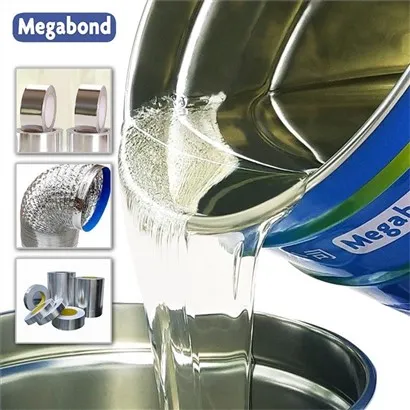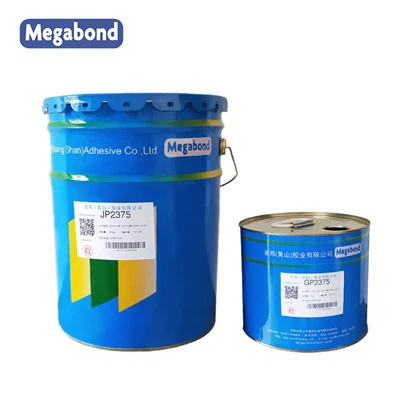


Hey there! As a supplier of PU lamination adhesives, I often get asked about how to determine the pot life of these adhesives. Pot life, also known as working life, is super important. It's the time during which an adhesive remains in a workable state after it's mixed. If you use it after the pot life is over, the adhesive might not perform as expected, leading to all sorts of issues in your lamination process. So, let's dive into how you can figure out the pot life of PU lamination adhesives.
Understanding the Basics of PU Lamination Adhesives
First off, let's quickly go over what PU lamination adhesives are. Polyurethane (PU) lamination adhesives are widely used in the packaging industry for bonding different layers of materials together. They come in different types, like Solvent-based Polyurethane Laminating Adhesive, Solvent-based 121℃ Anti-Steaming Laminating Adhesive, and Solvent-based 125℃ Anti-Retorting Laminating Adhesive. These adhesives offer great adhesion, flexibility, and resistance to various environmental factors.
PU adhesives usually consist of two components: a polyol and an isocyanate. When you mix these two components, a chemical reaction starts, and the adhesive begins to cure. The pot life is basically the time you have before the adhesive cures to a point where it's no longer easy to work with.
Factors Affecting Pot Life
There are several factors that can affect the pot life of PU lamination adhesives. Let's take a look at some of the most important ones.
Temperature
Temperature plays a huge role in the pot life of PU adhesives. Higher temperatures speed up the chemical reaction between the polyol and the isocyanate, which means the adhesive will cure faster and have a shorter pot life. On the other hand, lower temperatures slow down the reaction, giving you a longer pot life.
For example, if you're working in a hot factory environment during the summer, you might notice that the pot life of your adhesive is significantly shorter compared to working in a cooler environment in the winter. So, it's important to control the temperature in your workspace as much as possible. You can use air conditioning or heating systems to keep the temperature within the recommended range for the adhesive.
Humidity
Humidity is another factor that can impact the pot life of PU adhesives. PU adhesives are sensitive to moisture, and high humidity can cause the isocyanate component to react with the water in the air. This can lead to premature curing and a shorter pot life.
If you're working in a humid environment, you might need to take extra precautions. You can use dehumidifiers to reduce the humidity in your workspace. Also, make sure to store your adhesive properly to prevent it from absorbing moisture from the air. Keep the containers tightly sealed when not in use.


Mixing Ratio
The ratio in which you mix the polyol and the isocyanate components is crucial. If you don't follow the recommended mixing ratio, it can affect the pot life and the performance of the adhesive.
For example, if you add too much isocyanate, the reaction will be faster, and the pot life will be shorter. On the other hand, if you add too little isocyanate, the adhesive might not cure properly, and you'll end up with poor adhesion. Always make sure to measure the components accurately using the right tools, like measuring cups or scales.
Catalysts
Some PU adhesives come with catalysts that are added to speed up the curing process. The amount and type of catalyst used can have a big impact on the pot life. If you use too much catalyst, the adhesive will cure very quickly, and you'll have a short pot life.
If you're using a catalyst, make sure to follow the manufacturer's instructions carefully. Don't add more catalyst than recommended, as it can cause problems with the pot life and the final properties of the adhesive.
Methods for Determining Pot Life
Now that we know what factors can affect the pot life, let's talk about how you can actually determine it.
Visual Inspection
One of the simplest ways to determine the pot life is through visual inspection. When you first mix the adhesive, it will be in a liquid state and easy to spread. As the chemical reaction progresses, the adhesive will start to thicken.
You can start by observing the adhesive at regular intervals. Note down the time when you first mix the adhesive and then check it every 10 - 15 minutes. When you notice that the adhesive has become too thick to spread evenly or starts to form lumps, that's a sign that the pot life is coming to an end.
Viscosity Measurement
Viscosity is a measure of a fluid's resistance to flow. As the PU adhesive cures, its viscosity increases. You can use a viscometer to measure the viscosity of the adhesive at regular intervals.
Start by measuring the viscosity of the freshly mixed adhesive. Then, take measurements every 10 - 15 minutes. As the viscosity reaches a certain level, which is usually specified by the manufacturer, you can consider the pot life to be over.
Adhesion Testing
Another way to determine the pot life is by performing adhesion tests. Take small samples of the adhesive at regular intervals and use them to bond two test materials together.
After a certain curing time, test the adhesion strength of the bonded samples. If the adhesion strength starts to decrease or if the bond fails easily, it could be a sign that the adhesive is past its pot life.
Importance of Determining Pot Life
Determining the pot life of PU lamination adhesives is crucial for several reasons.
Quality Control
Using an adhesive past its pot life can lead to poor adhesion, delamination, and other quality issues in your laminated products. By accurately determining the pot life, you can ensure that you're using the adhesive when it's at its best, which will result in high-quality products.
Cost Efficiency
If you use an adhesive after its pot life, you might end up having to rework or scrap your laminated products, which can be costly. By knowing the pot life, you can plan your production process better and avoid wasting adhesive and other materials.
Productivity
When you know the pot life of your adhesive, you can schedule your work more efficiently. You can mix the right amount of adhesive at the right time, which will help you keep your production line running smoothly and increase your productivity.
Conclusion
Determining the pot life of PU lamination adhesives is not always easy, but it's definitely worth the effort. By understanding the factors that affect pot life and using the right methods to determine it, you can ensure the quality of your laminated products, save costs, and increase productivity.
If you're interested in our PU lamination adhesives or have any questions about pot life or other aspects of our products, don't hesitate to reach out. We're here to help you make the most of our adhesives in your lamination process.
References
- "Polyurethane Adhesives: Chemistry, Technology, and Applications" by X. Feng and K. C. Frisch
- Manufacturer's technical data sheets for PU lamination adhesives