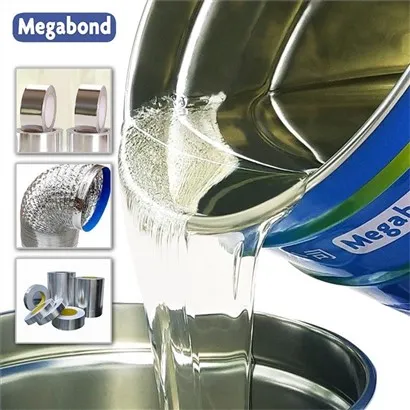


Hey there! I'm a supplier of PU laminating adhesive, and I know that large - scale production using this stuff can be a bit of a challenge, especially when it comes to worker safety. In this blog, I'll share some tips on how to ensure the safety of workers when using PU laminating adhesive in large - scale production.

Understanding the Risks
First off, we need to understand what risks are associated with PU laminating adhesive. PU laminating adhesives often contain solvents and chemicals that can be harmful if inhaled, ingested, or come into contact with the skin. Some of these chemicals can cause respiratory problems, skin irritation, and even more serious health issues over long - term exposure.
For example, the solvents in the adhesive can release volatile organic compounds (VOCs). When workers are exposed to high levels of VOCs for extended periods, it can lead to headaches, dizziness, and in severe cases, damage to the central nervous system. Also, the adhesive itself, if it gets on the skin, can cause allergic reactions or chemical burns.
Providing Proper Training
One of the most important steps in ensuring worker safety is providing proper training. All workers who will be handling the PU laminating adhesive should receive comprehensive training on how to use it safely.
The training should cover topics such as the correct way to mix the adhesive, how to handle and store it, and what personal protective equipment (PPE) to wear. Workers should also be taught about the potential health risks associated with the adhesive and how to recognize the symptoms of exposure.
For instance, when it comes to mixing the adhesive, workers need to know the right ratios and the proper mixing equipment to use. They should also be aware of any safety precautions during the mixing process, like avoiding splashing.
When it comes to PPE, workers should be provided with and trained to use gloves, goggles, and respirators. Gloves will protect their hands from direct contact with the adhesive, goggles will prevent any splashes from getting into their eyes, and respirators will filter out harmful fumes.
Maintaining a Safe Work Environment
The work environment plays a crucial role in worker safety. The area where the PU laminating adhesive is being used should be well - ventilated. Good ventilation helps to reduce the concentration of VOCs in the air.
You can install exhaust fans or ventilation systems that can effectively remove the fumes from the work area. The ventilation system should be regularly maintained to ensure it's working properly.
The work area should also be kept clean and organized. Spills should be cleaned up immediately. If there are any spills of the adhesive, workers should know the proper cleanup procedures. For example, they should use absorbent materials to soak up the spill and then dispose of it properly according to local regulations.
Moreover, the storage area for the adhesive should be secure and well - marked. It should be away from heat sources and flammable materials. The adhesive should be stored in a cool, dry place, and the containers should be tightly sealed to prevent any leaks.
Using the Right Products
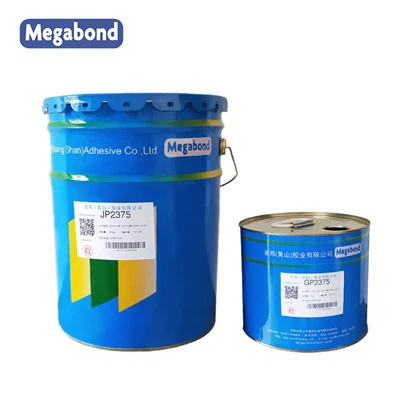
As a PU laminating adhesive supplier, I offer a range of products that are designed with safety in mind. For example, we have Solvent-based 125℃ Anti-Retorting Laminating Adhesive, Solvent-based 100℃ Anti-Boiling Laminating Adhesive, and Solvent-based 121℃ Anti-Retorting Laminating Adhesive.
These products are formulated to have lower VOC emissions compared to some other adhesives on the market. Lower VOC emissions mean less exposure to harmful chemicals for the workers. They also have good performance characteristics, so you don't have to sacrifice quality for safety.
Regular Safety Inspections
Regular safety inspections are essential. You should conduct routine inspections of the work area, the equipment, and the workers' compliance with safety procedures.
During the inspections, check the ventilation system to make sure it's working correctly. Look for any signs of leaks in the adhesive containers or the mixing equipment. Also, check if the workers are wearing the proper PPE and following the correct procedures.
If any safety issues are found during the inspections, they should be addressed immediately. For example, if a ventilation fan is not working, it should be repaired or replaced right away. If a worker is not wearing the correct PPE, they should be reminded and provided with the necessary equipment.
Emergency Preparedness
Even with all the safety measures in place, emergencies can still happen. So, it's important to have an emergency preparedness plan.
The plan should include procedures for dealing with spills, fires, and medical emergencies related to adhesive exposure. There should be first - aid kits readily available in the work area, and workers should be trained on how to use them.
In case of a fire, workers should know the location of fire extinguishers and how to use them. The fire extinguishers should be appropriate for the type of fire that could be caused by the adhesive, usually a Class B fire extinguisher.
If a worker is exposed to the adhesive and shows signs of a serious reaction, there should be a clear procedure for getting them medical help quickly.
Encouraging Worker Feedback
Workers are on the front - line, and they may have valuable insights into safety issues. Encourage them to provide feedback on the safety procedures and the work environment.
They may notice something that management or safety officers have overlooked. For example, they might suggest improvements to the ventilation system or better ways to handle the adhesive. By listening to their feedback, you can continuously improve the safety measures in place.
Conclusion
Ensuring the safety of workers when using PU laminating adhesive in large - scale production is a multi - faceted task. It involves providing proper training, maintaining a safe work environment, using the right products, conducting regular inspections, being prepared for emergencies, and encouraging worker feedback.
As a PU laminating adhesive supplier, I'm committed to helping you create a safe working environment. If you're interested in our products or have any questions about using them safely, don't hesitate to reach out for a procurement discussion. We can work together to find the best solutions for your production needs while keeping your workers safe.
References
- Occupational Safety and Health Administration (OSHA) guidelines on chemical safety.
- Industry reports on the health risks associated with PU laminating adhesives.