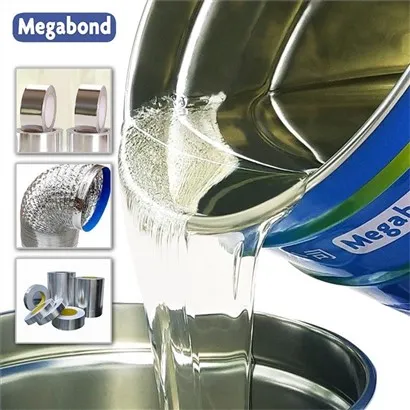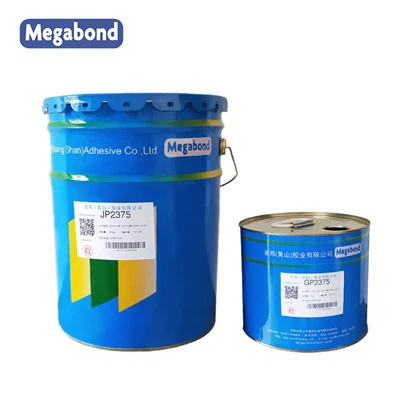


Hey there! As a supplier of Solvent Based Polyurethane Adhesive, I've seen my fair share of issues with the adhesive cracking after curing. It can be a real pain in the neck, especially when you're trying to deliver a high - quality product to your customers. So, I thought I'd share some tips on how to prevent this from happening.
Understanding the Problem
First off, let's talk about why solvent - based polyurethane adhesive cracks after curing. There are a few main reasons. One of the big ones is improper mixing. If you don't mix the adhesive components thoroughly, you'll end up with an uneven chemical reaction during curing. This can lead to weak spots in the adhesive, which are more likely to crack under stress.


Another reason is environmental factors. Extreme temperatures and humidity can have a huge impact on the curing process. If it's too hot or too cold, or if the humidity is too high or too low, the adhesive might not cure properly. For example, in high - humidity conditions, the water vapor in the air can react with the isocyanate component of the adhesive, causing it to cure too quickly on the surface while remaining soft inside. This can result in cracking as the inner part of the adhesive continues to cure and shrink.
The type of substrate you're using also matters. Some substrates might absorb the solvent from the adhesive too quickly, causing the adhesive to dry out and crack. Others might not bond well with the adhesive in the first place, leading to delamination and cracking.
Proper Mixing
So, how do we solve these problems? Let's start with mixing. It's crucial to follow the manufacturer's instructions when it comes to mixing the adhesive components. Usually, you'll have a resin and a hardener. Make sure you use the right ratio of these two components. Most of the time, the ratio is specified in the product datasheet.
Use a clean and dry mixing container. Contaminants like dust, water, or old adhesive can mess up the mixing process. Stir the components thoroughly for the recommended amount of time. A good way to do this is to use a mechanical stirrer. It'll ensure a more uniform mix compared to stirring by hand.
After mixing, let the adhesive sit for a short period, usually called the "pot life." This allows the chemical reaction to start and the adhesive to reach its optimal viscosity for application.
Controlling the Environment
Controlling the environment during application and curing is super important. Try to keep the temperature and humidity within the recommended range for the adhesive. For most solvent - based polyurethane adhesives, a temperature between 20 - 25°C (68 - 77°F) and a relative humidity of 40 - 60% is ideal.
If you're working in an area where the environment is hard to control, you can use a dehumidifier or a heater to adjust the conditions. For example, in a very humid room, a dehumidifier can remove the excess moisture from the air, preventing the water - isocyanate reaction.
Also, make sure the application area is well - ventilated. Good ventilation helps to remove the solvent vapors from the adhesive during curing. This not only makes the working environment safer but also ensures that the adhesive cures properly.
Substrate Preparation
Proper substrate preparation is key to preventing cracking. Clean the substrate thoroughly to remove any dirt, grease, or oil. You can use a suitable solvent or a cleaning agent for this. After cleaning, let the substrate dry completely.
If the substrate is porous, you might want to apply a primer. A primer can help to seal the pores, prevent excessive solvent absorption, and improve the adhesion between the substrate and the adhesive.
Check the surface roughness of the substrate. A slightly rough surface can provide better mechanical interlocking with the adhesive, which can enhance the bond strength. However, if the surface is too rough, it might trap air bubbles during application, leading to weak spots in the adhesive.
Our Product Range
At our company, we offer a variety of solvent - based polyurethane adhesives that are designed to meet different needs. For example, our Solvent - based 121℃ Anti - Steaming Laminating Adhesive is great for applications where the bonded materials will be exposed to high - temperature steam. It has excellent heat - resistance and adhesion properties, which can reduce the risk of cracking even under extreme conditions.
Our Solvent - based 100℃ Anti - Boiling Laminating Adhesive is another great option for applications involving boiling water. It provides a strong and durable bond, and is less likely to crack during the boiling process.
If you're looking for a more cost - effective solution, our Solvent - based Economical Laminating Adhesive is a good choice. It offers decent performance at a lower price point, and with proper application and curing, it can also prevent cracking effectively.
Conclusion
Preventing solvent - based polyurethane adhesive from cracking after curing requires a combination of proper mixing, controlling the environment, and good substrate preparation. By following these steps and choosing the right adhesive for your application, you can significantly reduce the risk of cracking and ensure a high - quality bond.
If you're interested in our solvent - based polyurethane adhesives or have any questions about preventing cracking, feel free to reach out to us. We're here to help you find the best solution for your needs and make sure your projects are a success.
References
- Product Datasheets of Solvent Based Polyurethane Adhesives
- Industry Research on Polyurethane Adhesive Curing and Failure Modes