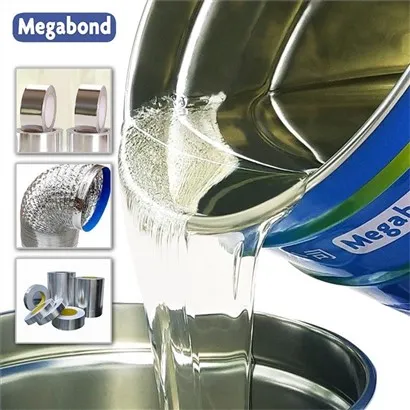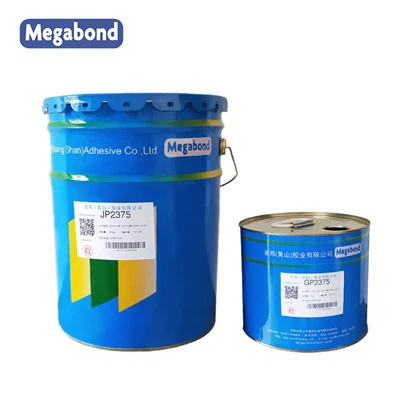


Proper storage of Polyether lamination Adhesive is crucial for maintaining its quality and performance. As a Polyether lamination Adhesive supplier, I've witnessed firsthand the impact of improper storage on the adhesive's properties. In this blog, I'll share some key guidelines on how to store Polyether lamination Adhesive correctly.
Understanding Polyether Lamination Adhesive
Polyether lamination adhesives are widely used in the packaging industry due to their excellent bonding strength, flexibility, and resistance to various environmental factors. These adhesives are typically composed of polyether resins, curing agents, and other additives. Different types of Polyether lamination adhesives are available, such as Solvent-free 100℃ Anti-Cooking Laminating Adhesive, Solvent-free 125℃ Retortable Laminating Adhesive, and Solvent-free Polyether Laminating Adhesive. Each type has specific characteristics and requirements for storage.
Temperature Control
Temperature is one of the most critical factors in storing Polyether lamination Adhesive. Most Polyether lamination adhesives should be stored at a temperature between 10°C and 30°C (50°F - 86°F). Extreme temperatures can have a significant impact on the adhesive's chemical properties and performance.
If the adhesive is stored at a temperature below the recommended range, it may become too viscous, making it difficult to mix and apply. In some cases, the adhesive may even solidify, rendering it unusable. On the other hand, storing the adhesive at a temperature above the recommended range can accelerate the curing process, leading to a shorter pot life and reduced bonding strength.
To maintain the proper temperature, it's advisable to store the adhesive in a climate-controlled storage area. If a climate-controlled area is not available, you can use insulation materials to protect the adhesive from temperature fluctuations. Additionally, avoid storing the adhesive near heat sources, such as radiators, heaters, or direct sunlight.
Humidity Management
Humidity also plays an important role in the storage of Polyether lamination Adhesive. High humidity can cause the adhesive to absorb moisture from the air, which can lead to premature curing, foaming, or reduced bonding strength. Therefore, it's recommended to store the adhesive in a dry environment with a relative humidity of less than 70%.
To control humidity, you can use dehumidifiers in the storage area. Make sure to regularly check the humidity levels and adjust the dehumidifier settings as needed. Also, keep the storage area well-ventilated to prevent the accumulation of moisture.
Container Storage
The type of container used for storing Polyether lamination Adhesive can also affect its quality. The adhesive should be stored in airtight containers to prevent air and moisture from entering. Containers made of high-density polyethylene (HDPE) or stainless steel are commonly used for storing Polyether lamination adhesives because they are resistant to corrosion and can provide a good seal.
When storing the adhesive in containers, make sure to label them clearly with the product name, batch number, expiration date, and storage instructions. This will help you keep track of the adhesive's inventory and ensure that you use the oldest stock first.
Handling and Mixing
Proper handling and mixing of Polyether lamination Adhesive are essential for maintaining its quality during storage. When handling the adhesive, always wear appropriate personal protective equipment (PPE), such as gloves and safety glasses, to avoid skin contact and eye irritation.

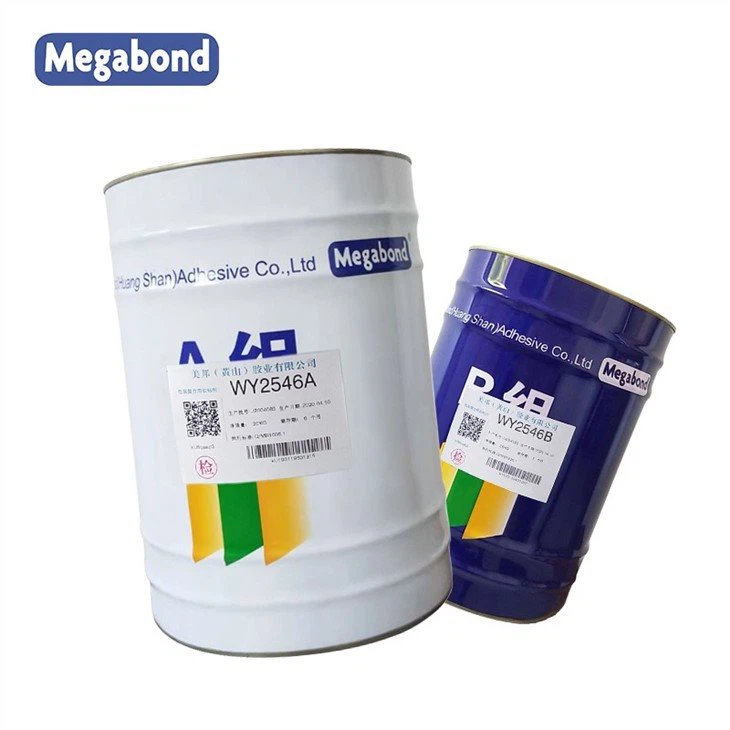
Before using the adhesive, make sure to mix it thoroughly according to the manufacturer's instructions. Incomplete mixing can result in uneven curing and reduced bonding strength. Use a mechanical mixer or a high-speed stirrer to ensure a homogeneous mixture.
Shelf Life
Every Polyether lamination Adhesive has a specific shelf life, which is the period during which the adhesive can be stored without significant degradation in quality. The shelf life is usually indicated on the product label or in the product data sheet.
It's important to follow the recommended shelf life and use the adhesive within the specified period. Using expired adhesive can lead to poor bonding performance and potential product failures. To manage the shelf life effectively, implement a first-in, first-out (FIFO) inventory system to ensure that the oldest stock is used first.
Safety Precautions
When storing Polyether lamination Adhesive, it's important to follow all safety precautions to prevent accidents and ensure the well-being of your employees. Here are some safety tips to keep in mind:
- Store the adhesive away from flammable materials and sources of ignition.
- Keep the storage area clean and free of clutter to prevent tripping hazards.
- Provide proper ventilation in the storage area to prevent the accumulation of fumes.
- Train your employees on the proper handling and storage of the adhesive to ensure they understand the safety risks and procedures.
Conclusion
Proper storage of Polyether lamination Adhesive is essential for maintaining its quality and performance. By controlling temperature, humidity, using the right containers, handling and mixing the adhesive correctly, and following the recommended shelf life, you can ensure that your Polyether lamination Adhesive remains in good condition and provides reliable bonding results.
If you're interested in purchasing high-quality Polyether lamination Adhesive or have any questions about its storage and usage, please feel free to contact us. We're here to provide you with the best products and technical support to meet your needs.
References
- Product data sheets of Polyether lamination adhesives
- Industry standards and guidelines for adhesive storage
- Manufacturer's recommendations for Polyether lamination Adhesive storage and handling