

Hey there! As a supplier of PU laminating adhesive, I've seen firsthand the amazing benefits it brings to various industries. So, I thought I'd share with you all the advantages of using PU laminating adhesive in this blog post.
Strong Bonding Power
One of the most significant advantages of PU laminating adhesive is its strong bonding power. Whether you're working with plastics, metals, fabrics, or paper, PU adhesive can create a durable and long - lasting bond between different materials. This is because polyurethane has a unique molecular structure that allows it to form strong chemical bonds with a wide range of substrates.
For example, in the packaging industry, when you need to laminate different layers of films to create a multi - layer packaging material, PU laminating adhesive ensures that the layers stay together even under harsh conditions. It can withstand temperature changes, moisture, and mechanical stress, which is crucial for protecting the products inside the packaging.
Excellent Flexibility
Another great thing about PU laminating adhesive is its flexibility. Unlike some other adhesives that can become brittle over time, PU adhesive retains its flexibility even after curing. This means that the laminated materials can be bent, folded, or stretched without the adhesive losing its bond.
In the automotive industry, for instance, PU laminating adhesive is used to bond interior components such as seat covers, door panels, and dashboard trims. These components need to be flexible to conform to the car's design and to withstand the vibrations and movements during driving. The flexibility of PU adhesive ensures that the bonds remain intact, providing a high - quality and long - lasting finish.
Resistance to Chemicals and Weathering
PU laminating adhesive offers excellent resistance to chemicals and weathering. It can resist the effects of water, oils, solvents, and other chemicals, making it suitable for use in environments where exposure to these substances is common.
In the outdoor signage industry, PU adhesive is used to laminate graphics and protective films to substrates. It can protect the graphics from fading, cracking, and peeling due to exposure to sunlight, rain, and wind. This resistance to weathering ensures that the signage remains vibrant and legible for a long time, reducing the need for frequent replacements.
Versatility in Application
PU laminating adhesive is incredibly versatile and can be used in a wide variety of applications. There are different types of PU laminating adhesives available to meet the specific needs of different industries.


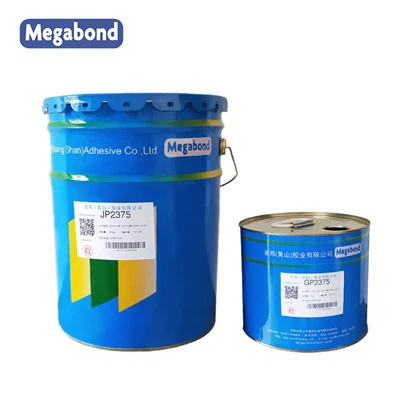
If you're looking for an economical option, our Solvent - based Economical Laminating Adhesive is a great choice. It offers good bonding performance at a lower cost, making it suitable for high - volume production.
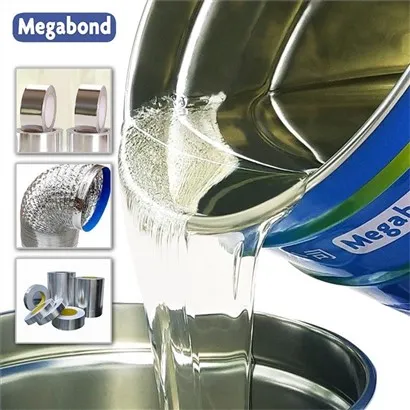
For applications involving AL - plating films, our Solvent - based AL - plating Film Laminating Adhesive is specifically designed to provide a strong and reliable bond. It can ensure that the AL - plating film adheres well to the substrate, maintaining the film's integrity and appearance.
And for general laminating needs, our Solvent - based Polyurethane Laminating Adhesive is a popular option. It has a wide range of bonding capabilities and can be used with different types of materials.
Fast Curing Time
Time is money in any industry, and PU laminating adhesive offers a relatively fast curing time. This means that you can increase your production efficiency as you don't have to wait too long for the adhesive to dry and form a strong bond.
In the manufacturing of consumer goods, such as electronic devices or furniture, fast - curing PU adhesive allows for quicker assembly processes. The products can be moved along the production line faster, reducing the overall production time and increasing the output.
Good Adhesion to Low - Surface - Energy Materials
Some materials, like polyolefins, have a low surface energy, which makes it difficult for adhesives to bond to them. However, PU laminating adhesive has good adhesion to these low - surface - energy materials.
In the plastic packaging industry, polyolefin films are widely used due to their excellent properties. PU adhesive can effectively bond these films to other materials, enabling the creation of complex and high - performance packaging solutions.
Customizable Properties
PU laminating adhesive can be customized to meet specific requirements. Manufacturers can adjust the formulation of the adhesive to change its properties such as viscosity, curing time, flexibility, and bonding strength.
For example, if you need an adhesive with a very high bonding strength for a heavy - duty application, the formulation can be modified to increase the cross - linking density of the polyurethane. On the other hand, if you need a more flexible adhesive for a soft - touch application, the formulation can be adjusted to reduce the stiffness of the cured adhesive.
Cost - Effectiveness
When considering the overall cost of using an adhesive, PU laminating adhesive is a cost - effective choice. Although the initial cost of the adhesive may be slightly higher than some other types, its long - term benefits more than make up for it.
The strong bonding power, durability, and resistance to various factors mean that the products laminated with PU adhesive have a longer lifespan. This reduces the need for frequent repairs and replacements, saving you money in the long run. Additionally, the fast curing time and high production efficiency can also lead to cost savings by reducing labor and production costs.
Conclusion
In conclusion, the advantages of using PU laminating adhesive are numerous. Its strong bonding power, flexibility, resistance to chemicals and weathering, versatility, fast curing time, good adhesion to low - surface - energy materials, customizable properties, and cost - effectiveness make it an ideal choice for a wide range of industries.
If you're interested in using PU laminating adhesive for your business, I encourage you to reach out to us. We have a team of experts who can help you choose the right adhesive for your specific application and provide you with all the technical support you need. Let's start a conversation about how our PU laminating adhesive can improve your products and processes.
References
- "Polyurethane Adhesives: Chemistry, Technology, and Applications" by David A. Potts
- "Handbook of Adhesive Technology" edited by Samuel M. Wu