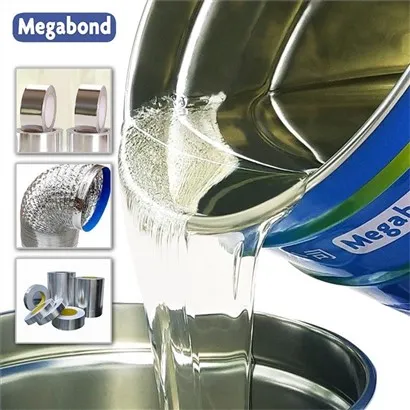


Hey there! As a supplier of Solvent Free Polyurethane Adhesive, I've seen a lot of questions about the differences between solvent-free and solvent-based polyurethane adhesives. So, I thought I'd break it down for you in this blog post.
1. Composition and Basic Chemistry
Let's start with the basics. Solvent-based polyurethane adhesives, as the name suggests, contain solvents. These solvents are usually organic compounds like toluene, xylene, or acetone. The solvents play a crucial role in the adhesive's formulation. They help to reduce the viscosity of the adhesive, making it easier to apply. When the adhesive is applied, the solvents evaporate, leaving behind the polyurethane polymer that forms the bond.
On the other hand, solvent-free polyurethane adhesives don't have any solvents in their composition. They are 100% solids, which means they consist entirely of the polyurethane resin and other additives. This difference in composition has a significant impact on how these adhesives perform and are used.
2. Environmental Impact
One of the most significant differences between the two types of adhesives is their environmental impact. Solvent-based polyurethane adhesives release volatile organic compounds (VOCs) into the atmosphere when the solvents evaporate. VOCs are harmful pollutants that can contribute to air pollution, smog, and even health problems for people exposed to them. In many countries, there are strict regulations on the amount of VOCs that can be emitted by industrial processes, including the use of adhesives.
Solvent-free polyurethane adhesives, however, are much more environmentally friendly. Since they don't contain any solvents, they don't release VOCs during application or curing. This makes them a great choice for companies that are looking to reduce their environmental footprint and comply with environmental regulations. If you're interested in our eco - friendly options, you can check out our Solvent-free 100℃ Anti-Cooking Laminating Adhesive.
3. Health and Safety
The difference in composition also affects the health and safety of workers who use these adhesives. Solvent-based adhesives can be a health hazard due to the inhalation of VOCs. Prolonged exposure to VOCs can cause respiratory problems, headaches, dizziness, and even more serious health issues like liver and kidney damage. Workers who use solvent-based adhesives need to wear proper protective equipment, such as respirators and gloves, and work in well - ventilated areas.
Solvent-free polyurethane adhesives are much safer to use. Since there are no solvents, there is no risk of inhaling harmful VOCs. This means that workers can use these adhesives without the need for extensive protective equipment and in less - ventilated areas. It also reduces the risk of health problems associated with long - term exposure to solvents.
4. Performance Characteristics
When it comes to performance, both types of adhesives have their strengths. Solvent-based polyurethane adhesives often have a faster drying time compared to solvent-free adhesives. The evaporation of the solvents helps the adhesive to set quickly, which can be an advantage in high - speed production processes. They also tend to have good initial tack, which means they can stick to surfaces immediately after application.
However, solvent-free polyurethane adhesives have some performance advantages of their own. They typically have better chemical resistance, which makes them suitable for applications where the bond may be exposed to chemicals or harsh environments. They also have excellent flexibility and durability, which means they can withstand stress and movement without losing their bond strength. Our Solvent-free Polyether Laminating Adhesive is a great example of a solvent - free adhesive with outstanding performance characteristics.
5. Application and Processing
The application and processing of these two types of adhesives are also different. Solvent-based adhesives require special equipment to handle the solvents. This includes ventilation systems to remove the VOCs and storage facilities that are designed to prevent solvent leaks and fires. The application process also needs to be carefully controlled to ensure that the solvents evaporate evenly and the adhesive cures properly.
Solvent-free polyurethane adhesives are easier to handle. They don't require any special ventilation systems or storage facilities for solvents. They can be applied using standard adhesive application equipment, such as rollers or spray guns. The curing process of solvent - free adhesives is usually a chemical reaction that occurs at room temperature or with the application of heat, depending on the formulation.
6. Cost
Cost is always an important factor when choosing an adhesive. Solvent-based polyurethane adhesives are generally less expensive than solvent-free adhesives. The cost of the solvents is relatively low, and the production process for solvent - based adhesives is often more established and less complex.


However, when you consider the total cost of using these adhesives, the picture may change. Solvent-based adhesives require additional costs for ventilation systems, protective equipment, and compliance with environmental regulations. Solvent-free adhesives may have a higher upfront cost, but they can save money in the long run by reducing these additional expenses.
7. Applications
Both types of adhesives have a wide range of applications, but they are often used in different industries and for different purposes. Solvent-based polyurethane adhesives are commonly used in industries where fast drying times and good initial tack are important, such as the automotive and furniture industries. They are used for bonding plastics, metals, and fabrics.
Solvent-free polyurethane adhesives are increasingly being used in industries where environmental and health concerns are a priority, such as the food packaging and medical device industries. Our Solvent-free MET Plastic Film Laminating Adhesive is specifically designed for laminating plastic films in the packaging industry, where it provides a strong and safe bond.
In conclusion, the choice between solvent-free and solvent-based polyurethane adhesives depends on several factors, including environmental impact, health and safety, performance, application requirements, and cost. As a supplier of solvent-free polyurethane adhesives, I believe that solvent-free adhesives offer many advantages, especially in today's environmentally conscious and regulated world.
If you're interested in learning more about our solvent-free polyurethane adhesives or have any questions about which adhesive is right for your application, don't hesitate to reach out. We're here to help you make the best choice for your business.
References
- "Polyurethane Adhesives: Chemistry, Technology, and Applications" by X. Feng and K. C. Frisch
- "Handbook of Adhesives and Sealants" edited by Andrew Pizzi and K. L. Mittal