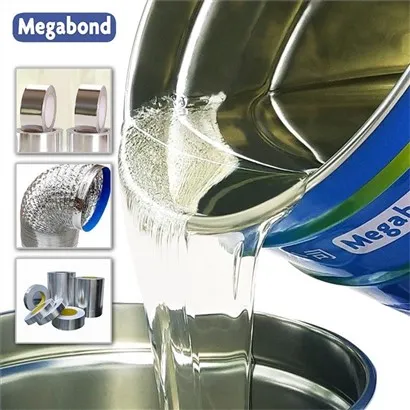


As a supplier of water-based lamination adhesive, I understand the importance of choosing the right cleaning agents to maintain the efficiency and longevity of the equipment used in the lamination process. Water-based lamination adhesives are popular due to their environmental friendliness, low odor, and good adhesion properties. However, like any other adhesive, they require proper cleaning to prevent buildup and ensure smooth operation. In this blog, I will discuss the cleaning agents that are suitable for water-based lamination adhesive.
Understanding Water-Based Lamination Adhesive
Before delving into the cleaning agents, it's essential to understand the nature of water-based lamination adhesive. These adhesives are formulated with water as the primary solvent, which makes them easy to clean up with water in most cases. They are commonly used in applications such as packaging, printing, and bookbinding. The adhesive forms a strong bond between different substrates, such as paper, cardboard, and plastic films.
General Cleaning Guidelines
Regular cleaning is crucial to prevent the adhesive from drying and hardening on the equipment. Here are some general guidelines to follow:
- Clean Immediately: Whenever possible, clean the equipment as soon as the lamination process is complete. Fresh adhesive is easier to remove than dried adhesive.
- Use the Right Tools: Soft brushes, sponges, and cloths are ideal for cleaning water-based lamination adhesive. Avoid using abrasive materials that can scratch the equipment surface.
- Follow Manufacturer's Instructions: Always refer to the manufacturer's instructions for the specific cleaning agents and procedures recommended for your equipment.
Suitable Cleaning Agents
Water
Water is the most basic and commonly used cleaning agent for water-based lamination adhesive. It is readily available, inexpensive, and environmentally friendly. Here's how to use water for cleaning:
- Warm Water Soak: Fill a container with warm water and soak the equipment parts that have come into contact with the adhesive. Let them soak for a few minutes to loosen the adhesive.
- Scrubbing: Use a soft brush or sponge to gently scrub the adhesive off the surface. Rinse the parts thoroughly with clean water.
However, water may not be sufficient for removing stubborn or dried adhesive. In such cases, you may need to use other cleaning agents.
Mild Detergents
Mild detergents can be effective in removing more stubborn adhesive residues. Look for detergents that are gentle on the equipment surface and do not contain harsh chemicals. Here's how to use mild detergents:
- Dilute the Detergent: Mix a small amount of mild detergent with warm water in a container.
- Apply the Solution: Use a soft cloth or sponge to apply the detergent solution to the adhesive residues. Let it sit for a few minutes to break down the adhesive.
- Scrub and Rinse: Gently scrub the surface with a soft brush or sponge. Rinse the parts thoroughly with clean water to remove any detergent residue.
Some examples of mild detergents that can be used include dishwashing liquid or a mild all-purpose cleaner.
Isopropyl Alcohol
Isopropyl alcohol, also known as rubbing alcohol, is a common cleaning agent for removing adhesive residues. It evaporates quickly and leaves no residue. Here's how to use isopropyl alcohol:
- Apply the Alcohol: Pour a small amount of isopropyl alcohol on a soft cloth or cotton ball.
- Wipe the Adhesive: Gently wipe the adhesive residues with the alcohol-soaked cloth or cotton ball. The alcohol will dissolve the adhesive, making it easier to remove.
- Rinse with Water: After removing the adhesive, rinse the surface with clean water to remove any alcohol residue.
Isopropyl alcohol is flammable, so use it in a well-ventilated area and keep it away from open flames or heat sources.
Specialized Adhesive Removers
There are also specialized adhesive removers available in the market that are specifically designed for removing water-based lamination adhesive. These removers are formulated to dissolve the adhesive quickly and effectively. Here's how to use specialized adhesive removers:


- Read the Instructions: Before using the adhesive remover, carefully read the instructions on the product label. Follow the recommended safety precautions.
- Apply the Remover: Apply the adhesive remover to the adhesive residues using a brush or cloth. Let it sit for the recommended time to allow the remover to penetrate and dissolve the adhesive.
- Scrub and Rinse: Use a soft brush or sponge to scrub the adhesive off the surface. Rinse the parts thoroughly with clean water to remove any remover residue.
Some examples of specialized adhesive removers include [brand names], which can be found at hardware stores or online.
Considerations When Choosing Cleaning Agents
When choosing a cleaning agent for water-based lamination adhesive, consider the following factors:
- Compatibility: Ensure that the cleaning agent is compatible with the equipment material. Some cleaning agents may damage certain types of equipment surfaces.
- Safety: Choose cleaning agents that are safe to use and do not pose a health risk to the operators. Avoid using cleaning agents that contain toxic or harmful chemicals.
- Effectiveness: Select cleaning agents that are effective in removing the specific type of adhesive residue you are dealing with. Consider the level of stubbornness of the residue and choose the appropriate cleaning agent accordingly.
Conclusion
Choosing the right cleaning agents for water-based lamination adhesive is essential for maintaining the efficiency and longevity of your equipment. Water, mild detergents, isopropyl alcohol, and specialized adhesive removers are all suitable options depending on the severity of the adhesive residue. By following the general cleaning guidelines and using the appropriate cleaning agents, you can ensure that your equipment remains clean and in good working condition.
If you are in the market for high-quality water-based lamination adhesive, I invite you to explore our Water-based Acrylic Laminating Adhesive. Our adhesive is formulated to provide excellent adhesion, environmental friendliness, and ease of use.
If you have any questions or would like to discuss your specific requirements, please feel free to contact us for a procurement洽谈. We look forward to working with you to meet your lamination adhesive needs.
References
- Manufacturer's instructions for water-based lamination adhesive and equipment.
- Industry guidelines and best practices for cleaning equipment used in lamination processes.