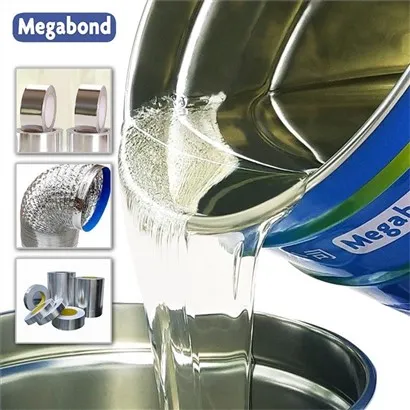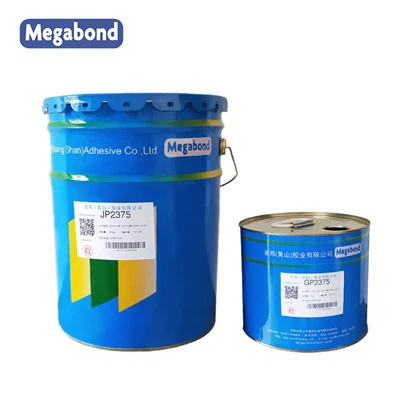


Hey there! As a supplier of acrylic laminating adhesive, I've been getting a lot of questions about how to apply this adhesive to thin materials. So, I thought I'd share some insights on the application method to help you get the best results.
First off, let's talk about what acrylic laminating adhesive is. It's a type of adhesive that's commonly used to bond two or more thin materials together. It's known for its strong bonding strength, flexibility, and resistance to environmental factors. And if you're looking for a water - based option, you can check out Water-based Acrylic Laminating Adhesive.
Preparation
Before you start applying the acrylic laminating adhesive, you need to make sure you've got everything ready.
Surface Preparation
The surfaces of the thin materials you're going to bond need to be clean, dry, and free of any dust, grease, or other contaminants. You can use a mild detergent and water to clean the surfaces, and then dry them thoroughly with a clean cloth. For example, if you're laminating paper, make sure there are no fingerprints or food particles on it. If you're working with plastic films, you might want to use an appropriate solvent to remove any surface oils.
Adhesive Preparation
Check the adhesive's storage conditions. Most acrylic laminating adhesives need to be stored at a specific temperature range. Before use, give the adhesive a good stir. This ensures that all the components are well - mixed. Some adhesives might come in a two - part system, where you need to mix the base and the hardener in the correct ratio. Follow the manufacturer's instructions carefully on this.
Equipment Preparation
You'll need some tools for the application. A roller is a common choice for applying the adhesive evenly on thin materials. Make sure the roller is clean and in good condition. You might also need a brush for more precise application in some cases. If you're doing a large - scale job, you could consider using a coating machine. Set up your work area in a well - ventilated space, as some adhesives can emit fumes.
Application Process
Application of the Adhesive
Using the roller or brush, apply a thin and even layer of the acrylic laminating adhesive on one of the thin materials. The thickness of the adhesive layer is crucial. If it's too thick, it might take longer to dry and could cause issues like bubbling. If it's too thin, the bonding strength might not be sufficient. For most thin materials, a thickness of around 0.1 - 0.3 mm is usually a good starting point, but you should refer to the adhesive's technical data sheet for the exact recommendation.


When using a roller, roll it smoothly over the surface in one direction. If you're using a brush, use long, even strokes. Try to avoid applying too much pressure, as this can cause the adhesive to spread unevenly.
Laminating the Materials
Once the adhesive is applied, carefully place the second thin material on top of the adhesive - coated surface. Start from one end and slowly press the two materials together, making sure to remove any air bubbles as you go. You can use a squeegee or a smooth object to gently press out the air. If there are air bubbles trapped between the materials, it can weaken the bond and create an uneven appearance.
Curing
After laminating the materials, the adhesive needs to cure. The curing time depends on several factors, such as the type of adhesive, the thickness of the adhesive layer, and the environmental conditions. In general, acrylic laminating adhesives cure faster at higher temperatures and lower humidity. However, you need to make sure the temperature doesn't exceed the maximum limit specified by the adhesive manufacturer, as this can damage the adhesive and the materials.
You can leave the laminated materials in a flat and stable position during the curing process to ensure a uniform bond. Avoid moving or bending the materials too soon, as this can disrupt the curing process and affect the bond strength.
Troubleshooting
Sometimes, you might encounter some problems during the application process. Here are some common issues and how to solve them:
Bubbling
If you notice bubbles forming between the laminated materials, it could be due to air being trapped during the lamination process or the adhesive being applied too thickly. To fix this, you can try using a needle to prick the bubbles and then press out the air. You can also try re - laminating the materials more slowly and carefully to avoid trapping air.
Poor Bonding
If the materials don't bond well, it could be because the surfaces weren't properly cleaned or the adhesive wasn't applied evenly. Check the surface preparation steps and make sure you apply the adhesive in a consistent manner. You might also want to check if the adhesive has expired or if it was stored under the wrong conditions.
Adhesive Drying Too Slowly
If the adhesive is taking too long to dry, it could be due to low temperature or high humidity. You can try increasing the temperature in the work area or using a dehumidifier to reduce the humidity. However, as mentioned before, make sure you don't exceed the temperature limit specified by the manufacturer.
Tips for Optimal Results
- Test First: Before starting a large - scale project, it's always a good idea to do a small test on a sample of the thin materials. This allows you to adjust the application method and parameters according to the actual situation.
- Follow the Instructions: Always follow the manufacturer's instructions for the acrylic laminating adhesive. This includes storage, preparation, application, and curing.
- Keep Records: Keep a record of the application process, including the temperature, humidity, adhesive thickness, and curing time. This can help you troubleshoot any issues in the future and improve the application process.
In conclusion, applying acrylic laminating adhesive to thin materials requires careful preparation, proper application techniques, and attention to detail. By following the steps and tips I've shared, you should be able to achieve a strong and durable bond between your thin materials.
If you're interested in purchasing our acrylic laminating adhesive or have any questions about the application process, feel free to reach out to us. We're here to help you with all your adhesive needs and ensure you get the best results for your projects.
References
- Manufacturer's technical data sheets for acrylic laminating adhesives
- Industry best practices for adhesive lamination of thin materials