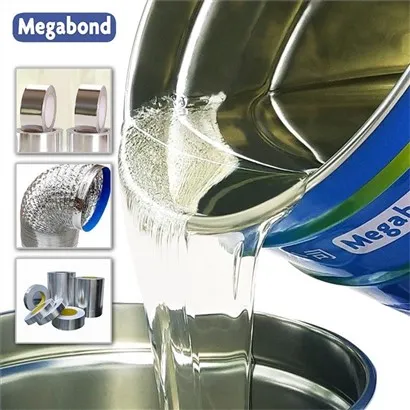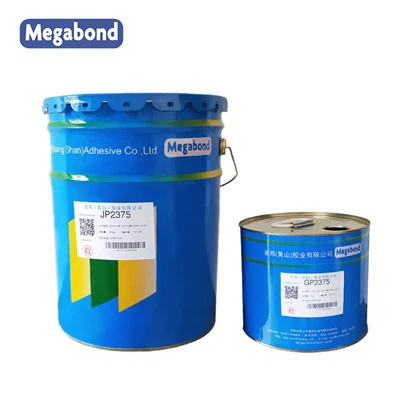


Laminate polyurethane glue is a versatile and high - performance adhesive widely used in various industries, from insulation laminating to door panel manufacturing. As a supplier of laminate polyurethane glue, I have witnessed firsthand the importance of proper application methods to achieve the best results. In this blog, I will share the best way to apply laminate polyurethane glue based on my experience and industry knowledge.
Understanding Laminate Polyurethane Glue
Before delving into the application process, it is essential to understand the characteristics of laminate polyurethane glue. This type of glue is known for its strong bonding strength, excellent flexibility, and resistance to moisture, heat, and chemicals. It can bond a wide range of materials, including wood, metal, plastic, and fabric, making it a popular choice in many applications.
There are different types of laminate polyurethane glue available in the market, such as solvent - based and water - based. Solvent - based glues generally offer faster drying times and stronger initial tack, while water - based glues are more environmentally friendly and easier to clean up. For example, our Solvent - based DMD Insulation Laminating Adhesive and Solvent - based Door Panel PVC Metal Laminating Adhesive are solvent - based products that provide excellent bonding performance in their respective applications.
Surface Preparation
The first step in applying laminate polyurethane glue is proper surface preparation. The surfaces to be bonded must be clean, dry, and free of any contaminants such as dust, grease, oil, or rust. Any dirt or debris on the surfaces can prevent the glue from adhering properly, resulting in a weak bond.
For metal surfaces, it is recommended to use a degreaser to remove any oil or grease. Sanding the surface lightly can also improve the adhesion by creating a rough texture for the glue to grip onto. For wood surfaces, ensure that the wood is dry and free of any loose fibers. You can use a sandpaper or a wire brush to clean and roughen the surface if necessary.
Mixing the Glue
If your laminate polyurethane glue is a two - component system, it is crucial to mix the components thoroughly according to the manufacturer's instructions. Incorrect mixing can lead to incomplete curing and reduced bonding strength.
Most two - component glues require a specific ratio of resin to hardener. Use a clean mixing container and a stir stick to mix the components for the recommended amount of time. It is important to mix the glue in small batches as it has a limited pot life, which is the time during which the glue remains workable after mixing.
Application Methods
There are several methods for applying laminate polyurethane glue, and the choice of method depends on the type of materials being bonded, the size of the bonding area, and the specific requirements of the application.
Brush Application
Brushing is a simple and cost - effective method for applying glue to small or irregularly shaped surfaces. Use a high - quality brush with natural or synthetic bristles. Dip the brush into the glue and apply a thin, even coat to one of the surfaces to be bonded. Make sure to cover the entire surface, paying special attention to the edges and corners.
When brushing the glue, avoid applying too much pressure as it can cause the glue to spread unevenly or create air bubbles. After applying the glue, allow it to dry for a short period until it becomes tacky. This is known as the open time, and it varies depending on the type of glue and the environmental conditions.
Roller Application
Roller application is suitable for larger, flat surfaces. Use a paint roller with a medium - nap cover. Pour the glue into a paint tray and roll the roller in the tray to pick up the glue. Roll the glue onto the surface in a smooth, even motion, working from one end of the surface to the other.
Roller application can provide a more uniform coating compared to brush application. However, it is important to ensure that the roller is not over - saturated with glue, as this can lead to drips and uneven coverage.
Spray Application
Spray application is a fast and efficient method for applying glue to large areas. It is commonly used in industrial settings. Use a spray gun specifically designed for adhesive application. Adjust the spray pattern and pressure according to the manufacturer's instructions.
Spray the glue evenly onto the surface, keeping the spray gun at a consistent distance from the surface. Make sure to cover the entire surface in a single pass. Spray application can provide a very thin and uniform layer of glue, which can result in a stronger bond. However, it requires proper ventilation to avoid inhaling the glue fumes, especially for solvent - based glues.
Bonding the Surfaces
Once the glue has been applied and has reached the appropriate tackiness, it is time to bond the surfaces together. Align the surfaces carefully and press them together firmly. Use a roller, a clamp, or your hands to apply pressure evenly across the bonding area.
For larger surfaces, it may be necessary to use a series of clamps to ensure that the pressure is distributed evenly. Leave the clamps in place for the recommended curing time, which can range from a few hours to several days depending on the type of glue and the environmental conditions.
Curing and Finishing
After bonding the surfaces, allow the glue to cure completely. Curing is the process by which the glue hardens and develops its full strength. The curing time depends on several factors, including the type of glue, the temperature, and the humidity.
In general, higher temperatures and lower humidity can speed up the curing process. However, extreme temperatures or humidity can also affect the quality of the bond. Avoid exposing the bonded parts to excessive heat, cold, or moisture during the curing process.
Once the glue has cured, you can perform any necessary finishing operations, such as sanding, painting, or trimming. Make sure to follow the manufacturer's recommendations for finishing the bonded parts.
Quality Control
To ensure the quality of the bond, it is important to perform some quality control checks. Check the bond for any signs of weakness, such as gaps, bubbles, or delamination. You can also perform a simple pull test on a small, non - critical area to assess the bonding strength.
If you encounter any problems with the bond, such as poor adhesion or incomplete curing, it is important to troubleshoot the issue immediately. Check the surface preparation, the mixing of the glue, the application method, and the curing conditions to identify the cause of the problem.
Conclusion
Applying laminate polyurethane glue correctly is crucial for achieving a strong and durable bond. By following the steps of surface preparation, proper mixing, appropriate application methods, and correct curing, you can ensure the best results in your bonding applications.
As a supplier of laminate polyurethane glue, we offer a wide range of products, including Solvent - based DMD Insulation Laminating PU Glue, to meet the diverse needs of our customers. If you are interested in our products or have any questions about the application of laminate polyurethane glue, we encourage you to contact us for further discussion and potential procurement. We are committed to providing high - quality products and excellent technical support to help you achieve the best bonding results in your projects.


References
- Manufacturer's instructions for laminate polyurethane glue products
- Industry standards and guidelines for adhesive application
- Technical literature on polyurethane adhesives