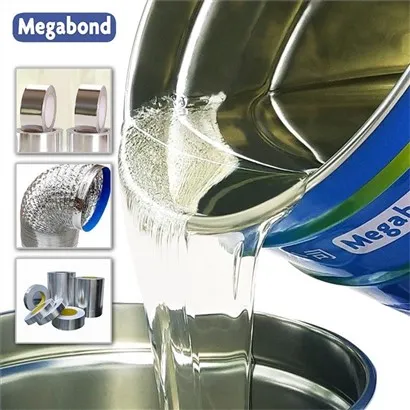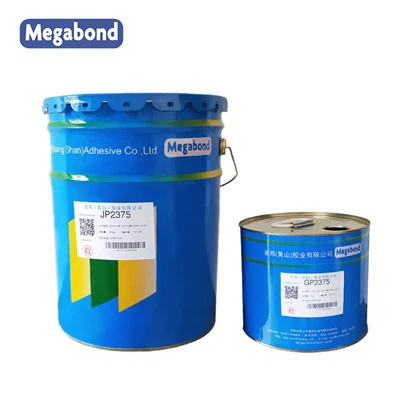


Hey there! As a supplier of acrylic laminating adhesive, I often get asked about the bonding strength of our product. It's a crucial factor that determines how well the adhesive will hold different materials together, and it can have a big impact on the quality and durability of the final laminated product. So, let's dive into what bonding strength is and why it matters when it comes to acrylic laminating adhesive.
What is Bonding Strength?
Bonding strength refers to the ability of an adhesive to hold two or more surfaces together under various conditions. It's usually measured in terms of the force required to separate the bonded materials. The higher the bonding strength, the more difficult it is to pull the materials apart.
When it comes to acrylic laminating adhesive, bonding strength is influenced by several factors. First off, the type of materials being bonded plays a huge role. Acrylic adhesives work well with a wide range of substrates, including plastics, metals, glass, and paper. However, different materials have different surface energies, which can affect how well the adhesive adheres to them. For example, materials with low surface energy, like some plastics, may require special surface treatments to improve the bonding strength.
Another important factor is the application process. The way the adhesive is applied, the amount used, and the pressure and temperature during the lamination process can all impact the final bonding strength. If the adhesive is not applied evenly or if there's not enough pressure during lamination, it can result in weak spots and reduced bonding strength.
How is Bonding Strength Measured?
There are several methods used to measure the bonding strength of acrylic laminating adhesive. One common method is the peel test. In a peel test, a bonded sample is prepared, and then one of the bonded materials is gradually peeled away from the other at a constant rate. The force required to peel the materials apart is measured, and this value is used to determine the peel strength, which is an indication of the bonding strength.
Another method is the shear test. In a shear test, a force is applied parallel to the bonded surfaces to try to slide one material over the other. The force required to cause the materials to slip is measured, and this gives an idea of the shear strength of the adhesive.


Tensile tests are also used to measure bonding strength. In a tensile test, the bonded materials are pulled apart in a straight line, and the force required to break the bond is measured.
Why Bonding Strength Matters
The bonding strength of acrylic laminating adhesive is crucial for several reasons. In packaging applications, for example, a strong bond is essential to ensure that the packaging stays intact during transportation and storage. If the adhesive doesn't have enough bonding strength, the package could come apart, leading to damage to the contents and potential loss for the manufacturer.
In automotive and electronics applications, a reliable bond is needed to hold components together and protect them from environmental factors like moisture, heat, and vibration. Weak bonding strength could result in component failure and costly repairs.
In the furniture and construction industries, acrylic laminating adhesive is used to bond decorative laminates to substrates. A strong bond ensures that the laminate stays in place and maintains its appearance over time.
Our Acrylic Laminating Adhesive and Bonding Strength
At our company, we take bonding strength very seriously. We've spent years developing and refining our acrylic laminating adhesive formulations to ensure that they offer excellent bonding performance across a wide range of applications.
Our Water-based Acrylic Laminating Adhesive is a great example. It's formulated to provide high bonding strength on a variety of substrates, including plastics, metals, and paper. The water-based nature of the adhesive makes it environmentally friendly and easy to clean up, while still delivering the strong bond you need.
We also offer technical support to help our customers get the best results from our adhesive. Our team of experts can provide advice on surface preparation, application techniques, and curing conditions to ensure that you achieve the maximum bonding strength for your specific application.
Factors Affecting Bonding Strength in Real-World Applications
In real-world applications, there are often additional factors that can affect the bonding strength of acrylic laminating adhesive. Environmental conditions, for example, can have a significant impact. High humidity can cause the adhesive to take longer to dry and cure, which can affect the bonding strength. Extreme temperatures can also cause the adhesive to become brittle or soft, reducing its ability to hold the materials together.
Contamination on the surfaces being bonded can also be a problem. Dust, oil, or other contaminants can prevent the adhesive from making good contact with the surfaces, resulting in weak bonds. That's why proper surface preparation is so important. We recommend cleaning the surfaces thoroughly before applying the adhesive to remove any contaminants and improve the bonding strength.
Improving Bonding Strength
If you're experiencing issues with the bonding strength of our acrylic laminating adhesive, there are several steps you can take to improve it. First, make sure you're following the recommended surface preparation procedures. This may include cleaning the surfaces with a suitable solvent, sanding rough surfaces, or applying a primer to improve adhesion.
Next, pay attention to the application process. Make sure you're applying the adhesive evenly and using the correct amount. Applying too little adhesive can result in a weak bond, while applying too much can cause the adhesive to run and create uneven bonding.
Finally, make sure you're using the correct curing conditions. Different adhesives have different curing requirements, so it's important to follow the manufacturer's instructions. This may include applying heat or pressure during the curing process to ensure that the adhesive fully cures and develops its maximum bonding strength.
Conclusion
The bonding strength of acrylic laminating adhesive is a critical factor that can determine the success of your laminating applications. By understanding the factors that affect bonding strength and taking the necessary steps to ensure proper application and curing, you can achieve strong, reliable bonds that will stand the test of time.
If you're looking for a high-quality acrylic laminating adhesive with excellent bonding strength, look no further. Our Water-based Acrylic Laminating Adhesive is designed to meet the needs of a wide range of applications. We're here to help you with any questions you may have and to provide the technical support you need to get the best results.
If you're interested in learning more about our acrylic laminating adhesive or would like to discuss your specific application requirements, don't hesitate to reach out. We're always happy to talk to potential customers and help them find the right adhesive solution for their needs. Let's start a conversation and see how we can work together to achieve strong, reliable bonds in your projects.
References
- ASTM International. (Year). Standard Test Methods for Peel Resistance of Adhesives (T-Peel Test). ASTM D1876.
- ISO. (Year). Adhesives - Determination of Tensile Lap-Shear Strength of Rigid-to-Rigid Bonded Assemblies. ISO 4587.
- Peel, Shear, and Tensile Tests for Adhesives. (Online resource). Available from various industry websites.