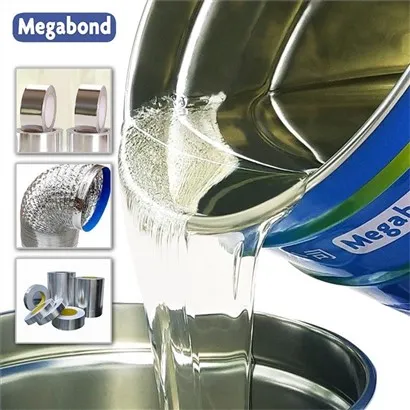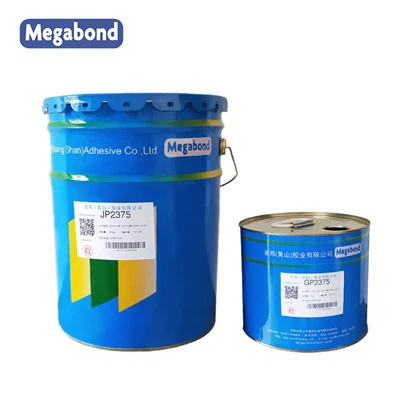


As a supplier of acrylic laminating adhesive, I am often asked about the chemical composition of our products. Understanding the chemical makeup of acrylic laminating adhesive is crucial for anyone involved in the packaging, printing, or manufacturing industries, as it directly impacts the performance, durability, and safety of the laminated materials. In this blog post, I will delve into the key components of acrylic laminating adhesive and explain how they contribute to its unique properties.
1. Acrylic Polymers
At the heart of acrylic laminating adhesive are acrylic polymers. These polymers are formed through the process of polymerization, where small molecules called monomers are linked together to form long chains. Acrylic monomers, such as methyl methacrylate (MMA), ethyl acrylate (EA), and butyl acrylate (BA), are commonly used in the production of acrylic laminating adhesives.
The choice of monomers and their ratios significantly influence the properties of the resulting polymer. For example, MMA-based polymers tend to be hard and rigid, providing good scratch resistance and gloss. On the other hand, BA-based polymers are more flexible and have better adhesion to a variety of substrates. By carefully selecting the monomers and adjusting their proportions, manufacturers can tailor the adhesive to meet specific application requirements.
Acrylic polymers offer several advantages in laminating applications. They have excellent clarity, which is essential for applications where the appearance of the laminated material is important, such as in packaging for consumer goods. Additionally, they have good weather resistance, making them suitable for outdoor applications. Acrylic polymers also exhibit strong adhesion to a wide range of materials, including paper, cardboard, plastic films, and metal foils.
2. Solvents
Solvents are another important component of acrylic laminating adhesive. They play a crucial role in dissolving the acrylic polymers and other additives, making it possible to apply the adhesive evenly onto the substrate. Solvents also help to control the viscosity of the adhesive, ensuring that it can be easily spread and bonded to the materials being laminated.

There are two main types of solvents used in acrylic laminating adhesives: water-based and solvent-based. Water-based solvents are environmentally friendly and have low volatile organic compound (VOC) emissions. They are becoming increasingly popular due to their compliance with environmental regulations and their ability to provide a clean and safe working environment. Water-based acrylic laminating adhesives are also easy to clean up with water, reducing the need for harsh solvents.
Solvent-based adhesives, on the other hand, use organic solvents such as toluene, xylene, or acetone. These solvents offer faster drying times and better adhesion to certain substrates, especially those with low surface energy. However, they have higher VOC emissions, which can be a concern for environmental and health reasons. Solvent-based adhesives also require proper ventilation and safety precautions during use.
If you are interested in a water-based option, you can explore our Water-based Acrylic Laminating Adhesive.
3. Additives
In addition to acrylic polymers and solvents, acrylic laminating adhesives often contain various additives to enhance their performance and properties. Some common additives include:
- Plasticizers: Plasticizers are used to increase the flexibility and toughness of the adhesive. They work by reducing the intermolecular forces between the polymer chains, allowing them to move more freely. This results in a more flexible and durable bond.
- Cross-linking agents: Cross-linking agents are used to create chemical bonds between the polymer chains, forming a three-dimensional network. This improves the adhesive's resistance to heat, chemicals, and mechanical stress. Cross-linking can occur during the curing process, which is typically initiated by heat, light, or a chemical catalyst.
- Adhesion promoters: Adhesion promoters are additives that enhance the adhesion of the adhesive to the substrate. They work by modifying the surface properties of the substrate or the adhesive, increasing the intermolecular forces between them. Adhesion promoters are particularly important when bonding to difficult-to-bond materials, such as polypropylene or polyethylene.
- Antioxidants and UV stabilizers: Antioxidants and UV stabilizers are used to protect the adhesive from degradation caused by oxygen and ultraviolet (UV) light. They help to prevent the adhesive from yellowing, cracking, or losing its adhesion over time, especially in outdoor applications.
- Thickeners and rheology modifiers: Thickeners and rheology modifiers are used to control the viscosity and flow properties of the adhesive. They ensure that the adhesive has the right consistency for easy application and uniform coverage. Thickeners can also help to prevent the adhesive from sagging or dripping during the lamination process.
4. Curing Mechanisms
The curing mechanism of acrylic laminating adhesive is an important factor that affects its performance and application. There are several types of curing mechanisms used in acrylic laminating adhesives, including:
- Air drying: Air-drying adhesives cure by evaporating the solvent or water from the adhesive film. This is a simple and cost-effective curing method, but it can be relatively slow, especially in humid conditions. Air-drying adhesives are commonly used in applications where a quick cure is not required, such as in some packaging and printing applications.
- Heat curing: Heat-curing adhesives require the application of heat to initiate the curing process. The heat causes the cross-linking agents in the adhesive to react, forming a strong and durable bond. Heat curing can be achieved using ovens, hot presses, or infrared heaters. Heat-curing adhesives offer faster curing times and better performance than air-drying adhesives, but they require additional equipment and energy.
- UV curing: UV-curing adhesives cure when exposed to ultraviolet light. The UV light activates photoinitiators in the adhesive, which initiate the cross-linking reaction. UV curing is a very fast and efficient curing method, with curing times typically ranging from a few seconds to a few minutes. UV-curing adhesives are commonly used in applications where a high-speed production process is required, such as in the production of labels and flexible packaging.
5. Quality and Performance
The quality and performance of acrylic laminating adhesive depend on several factors, including the chemical composition, manufacturing process, and application conditions. As a supplier, we take great care to ensure that our acrylic laminating adhesives meet the highest quality standards.
We use only high-quality raw materials and advanced manufacturing techniques to produce our adhesives. Our production facilities are equipped with state-of-the-art equipment and are operated by experienced technicians who follow strict quality control procedures. We also conduct rigorous testing on our adhesives to ensure that they meet the required specifications for adhesion, durability, clarity, and other performance properties.
In addition to quality control, we also provide technical support and advice to our customers. Our team of experts can help you select the right adhesive for your specific application, provide guidance on the application process, and troubleshoot any issues that may arise. We understand that every customer's needs are unique, and we are committed to providing customized solutions that meet your requirements.
Conclusion
In conclusion, the chemical composition of acrylic laminating adhesive is a complex mixture of acrylic polymers, solvents, additives, and curing agents. Each component plays a crucial role in determining the adhesive's properties and performance. By understanding the chemical makeup of acrylic laminating adhesive, you can make informed decisions about which adhesive is best suited for your application.
If you are in the market for high-quality acrylic laminating adhesive, we invite you to contact us to discuss your specific needs. Our team of experts is ready to assist you in finding the right solution for your laminating requirements. Whether you need a water-based adhesive for an environmentally friendly application or a solvent-based adhesive for a high-performance bonding solution, we have the expertise and products to meet your needs.
References
- "Handbook of Adhesive Technology," Second Edition, edited by A. Pizzi and K. L. Mittal.
- "Adhesion and Adhesives Technology: An Introduction," Third Edition, by C. A. Dostal.
- Technical literature from acrylic adhesive manufacturers.