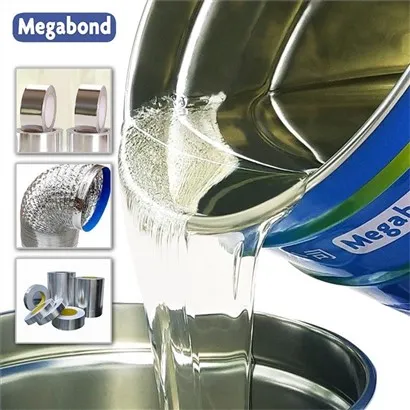


As a supplier of PU laminating adhesive, understanding the chemical resistance of our products is crucial. Chemical resistance refers to the ability of a material to withstand the action of chemicals without significant degradation in its properties. In the case of PU laminating adhesive, this characteristic is of utmost importance as it directly impacts the performance and durability of the laminated structures in various applications.
Factors Affecting Chemical Resistance of PU Laminating Adhesive
Chemical Composition of the Adhesive
The chemical structure of the polyurethane (PU) in the laminating adhesive plays a fundamental role in determining its chemical resistance. Different types of polyols and isocyanates are used in the formulation of PU adhesives, and their combination can significantly affect the adhesive's resistance to various chemicals. For example, aromatic isocyanates generally provide better resistance to solvents and chemicals compared to aliphatic isocyanates. Additionally, the cross - linking density of the PU adhesive also influences its chemical resistance. A higher cross - linking density usually results in better resistance to chemical attack, as it forms a more rigid and stable network structure that is less likely to be penetrated by chemicals.
Type of Chemicals Encountered
The nature of the chemicals that the laminated products may come into contact with is a key factor. There are several categories of chemicals that can pose a threat to the integrity of the PU laminating adhesive:
- Solvents: Organic solvents such as toluene, xylene, acetone, and ethanol can dissolve or swell the PU adhesive. The solubility parameter of the solvent and the adhesive is an important consideration. If the solubility parameters of the solvent and the adhesive are similar, the solvent is more likely to penetrate and dissolve the adhesive. For instance, polar solvents are more likely to affect polar PU adhesives, while non - polar solvents can have a greater impact on non - polar PU adhesives.
- Acids and Bases: Strong acids and bases can react with the functional groups in the PU adhesive, leading to hydrolysis or other chemical reactions that can degrade the adhesive. The pH value and the concentration of the acid or base solution are important factors. For example, concentrated sulfuric acid can cause severe damage to most PU adhesives due to its strong oxidizing and dehydrating properties.
- Oils and Greases: These can penetrate the adhesive and cause swelling or softening, reducing its bonding strength. Different types of oils, such as mineral oils, vegetable oils, and synthetic oils, have different effects on the PU adhesive. Mineral oils, which are non - polar, can be more difficult for some PU adhesives to resist compared to polar vegetable oils.
Environmental Conditions
The temperature, humidity, and exposure time also affect the chemical resistance of the PU laminating adhesive. Higher temperatures generally accelerate chemical reactions, increasing the rate of degradation of the adhesive. For example, at elevated temperatures, the solubility of solvents in the adhesive may increase, and the reaction rate between the adhesive and acids or bases may also be enhanced. Humidity can also play a role, especially in the presence of water - sensitive chemicals. Moisture can promote hydrolysis reactions in the PU adhesive, especially in the presence of acids or bases.


Testing the Chemical Resistance of PU Laminating Adhesive
Immersion Tests
One of the most common methods for testing the chemical resistance of PU laminating adhesive is the immersion test. In this test, samples of the laminated materials are immersed in a specific chemical solution for a certain period of time at a controlled temperature. After the immersion period, the samples are removed, dried, and evaluated for changes in appearance, weight, thickness, and bonding strength. For example, if the adhesive shows signs of swelling, discoloration, or loss of adhesion, it indicates poor chemical resistance to the tested chemical.
Exposure to Vapors
In some cases, the laminated products may be exposed to chemical vapors rather than direct contact with liquid chemicals. To simulate this situation, samples can be placed in a chamber with a controlled atmosphere of the chemical vapor. The samples are then monitored for changes in their properties over time. This method is useful for evaluating the resistance of the adhesive to volatile chemicals such as solvents or certain gases.
Chemical Spray Tests
Chemical spray tests involve spraying a chemical solution onto the surface of the laminated material. This method can simulate the situation where the laminated product is accidentally splashed with chemicals. After spraying, the samples are observed for any immediate or delayed effects on the adhesive, such as blistering or loss of adhesion.
Importance of Chemical Resistance in Different Applications
Food Packaging
In food packaging applications, the PU laminating adhesive must have good chemical resistance to various food components, such as oils, fats, acids, and moisture. For example, when packaging fatty foods like meat or cheese, the adhesive should be able to resist the penetration of the oils and fats in the food to maintain the integrity of the package and prevent any contamination of the food. Our Solvent - based 125℃ Anti - Retorting Laminating Adhesive and Solvent - based 121℃ Anti - Retorting PU Laminating Adhesive are designed to provide excellent chemical resistance to ensure the safety and quality of food packaging.
Industrial Packaging
Industrial products often contain chemicals or are exposed to harsh chemical environments during storage and transportation. The PU laminating adhesive used in industrial packaging must be able to withstand these chemicals to protect the products inside. For example, in the packaging of chemicals or electronic components that may be sensitive to chemical contamination, the adhesive should have high chemical resistance to prevent any leakage or damage to the contents.
Automotive Interior Applications
In automotive interiors, the laminated materials may be exposed to various chemicals such as cleaning agents, body oils, and solvents. The PU laminating adhesive used in these applications needs to have good chemical resistance to maintain the appearance and functionality of the interior components. For example, if the adhesive loses its bonding strength due to chemical attack, it can lead to delamination of the laminated materials, which is not only aesthetically unappealing but also a safety concern.
Our Product Offerings and Their Chemical Resistance
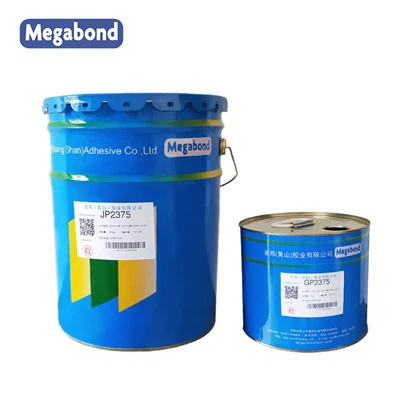
We offer a range of PU laminating adhesives with different levels of chemical resistance to meet the diverse needs of our customers. Our Solvent - based Film Laminating Adhesive is formulated to provide good resistance to common solvents and mild chemicals, making it suitable for a wide range of general packaging applications.
Our anti - retorting adhesives, on the other hand, are specifically designed to withstand high - temperature and high - pressure sterilization processes, which often involve exposure to steam and various chemicals. These adhesives have excellent resistance to hydrolysis and chemical degradation under these harsh conditions, ensuring the long - term stability of the laminated packages.
Contact Us for Your PU Laminating Adhesive Needs
If you are looking for high - quality PU laminating adhesive with excellent chemical resistance for your specific application, we are here to help. Our team of experts can provide you with detailed information about our products, conduct customized tests to meet your requirements, and offer technical support throughout the procurement process. Whether you are in the food packaging, industrial packaging, or automotive interior industry, we have the right solution for you. Reach out to us to start a discussion about your adhesive needs and let us work together to find the best product for your project.
References
- ASTM International. Standard Test Methods for Evaluating the Chemical Resistance of Plastics. ASTM D543 - 14.
- ISO 175:2010. Plastics — Determination of the effect of liquid chemicals.
- Lee, H., & Neville, K. (1967). Handbook of Epoxy Resins. McGraw - Hill. Although mainly about epoxy resins, it provides general principles on chemical resistance of polymers that are relevant to PU adhesives.