

Hey there! As a supplier of laminating adhesives, I've seen firsthand how crucial it is to understand the ins and outs of these products. One question that often comes up is, "What is the effect of pressure on laminating adhesive bonding?" Well, let's dive right in and explore this topic together.
First off, let's talk about what laminating adhesives are and why they're so important. Laminating adhesives are used to bond two or more layers of materials together, creating a strong and durable composite. These adhesives are commonly used in a wide range of industries, including packaging, automotive, and construction. They play a vital role in ensuring the quality and performance of the final product.
Now, let's get to the main question: How does pressure affect laminating adhesive bonding? Pressure is a key factor in the bonding process, and it can have a significant impact on the strength and durability of the bond. When pressure is applied during the lamination process, it helps to spread the adhesive evenly across the surfaces being bonded. This ensures that the adhesive makes full contact with the materials, creating a strong and reliable bond.
One of the main effects of pressure on laminating adhesive bonding is improved wetting. Wetting refers to the ability of the adhesive to spread and adhere to the surfaces being bonded. When pressure is applied, it helps to overcome the surface tension of the adhesive and the materials, allowing the adhesive to flow and wet the surfaces more effectively. This results in a stronger bond and better overall performance.
Another important effect of pressure is increased bond strength. When pressure is applied during the lamination process, it helps to squeeze out any air bubbles or voids between the layers of materials. This ensures that the adhesive makes direct contact with the surfaces, creating a stronger and more intimate bond. In addition, pressure can help to increase the molecular interaction between the adhesive and the materials, further enhancing the bond strength.
Pressure can also affect the curing process of the adhesive. Curing is the process by which the adhesive hardens and forms a strong bond. When pressure is applied during the curing process, it can help to accelerate the curing reaction, reducing the time required for the adhesive to fully cure. This can be particularly beneficial in high-volume production environments, where time is of the essence.
However, it's important to note that too much pressure can also have a negative impact on laminating adhesive bonding. If the pressure is too high, it can cause the adhesive to squeeze out from between the layers of materials, resulting in a weak bond. In addition, excessive pressure can cause the materials to deform or damage, which can also affect the quality and performance of the bond.


So, how do you determine the optimal pressure for laminating adhesive bonding? The optimal pressure will depend on a variety of factors, including the type of adhesive being used, the materials being bonded, and the specific application. In general, it's best to follow the manufacturer's recommendations for pressure settings. These recommendations are based on extensive testing and research, and they can help to ensure that you achieve the best possible bond strength and performance.
In addition to pressure, there are other factors that can affect laminating adhesive bonding, including temperature, humidity, and surface preparation. It's important to control these factors carefully to ensure that the adhesive bonds properly and provides the desired performance. For example, if the temperature is too low, the adhesive may not cure properly, resulting in a weak bond. On the other hand, if the temperature is too high, the adhesive may become too thin and runny, making it difficult to apply evenly.
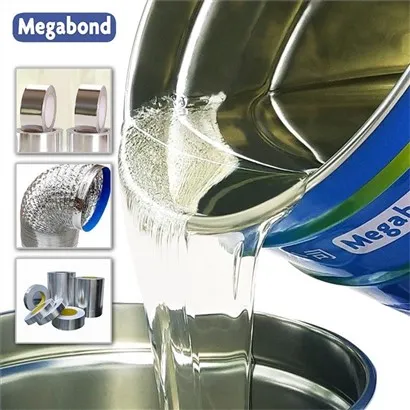
As a laminating adhesive supplier, I understand the importance of providing high-quality products and technical support to our customers. That's why we offer a wide range of laminating adhesives to meet the needs of different applications. Whether you're looking for a Solvent-free Anti-Chemicals Laminating Adhesive, a Solvent-free Aluminum Foil To Films Laminating Adhesive, or a Solvent-free Polyether Laminating Adhesive, we have the right product for you.
In addition to our high-quality products, we also offer technical support and advice to help our customers achieve the best possible results. Our team of experts has extensive experience in the laminating industry, and they can provide you with valuable insights and recommendations on everything from adhesive selection to application techniques.
If you're interested in learning more about our laminating adhesives or if you have any questions about the bonding process, please don't hesitate to contact us. We'd be happy to discuss your specific needs and help you find the right solution for your application. Whether you're a small business or a large corporation, we're committed to providing you with the best possible products and service.
In conclusion, pressure is a key factor in laminating adhesive bonding, and it can have a significant impact on the strength and durability of the bond. By understanding the effects of pressure and controlling it carefully, you can achieve the best possible results and ensure that your laminating applications are successful. If you have any questions or need further information, please don't hesitate to contact us. We're here to help you every step of the way.
References
- ASTM D905 - Standard Test Method for Strength Properties of Adhesive Bonds in Shear by Compression Loading
- ISO 4587 - Adhesives - Determination of tensile lap-shear strength of rigid-to-rigid bonded assemblies
- Encyclopedia of Adhesion and Adhesives, Second Edition, edited by S. P. S. Anand