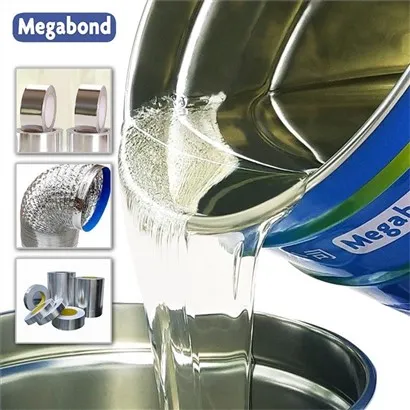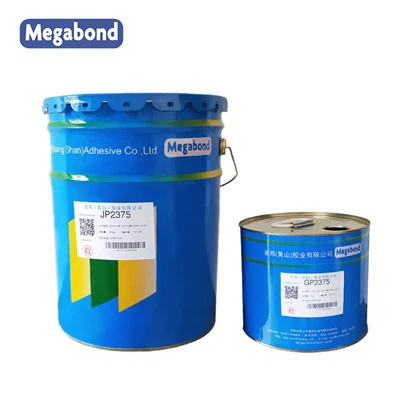


Hey there! As a supplier of acrylic laminating adhesive, I often get asked about the pot life of our products. It's a crucial factor to understand, especially for those in the laminating business. So, let's dive right in and explore what pot life means and how it affects acrylic laminating adhesive.
What is Pot Life?
Pot life, also known as working life, is the time period during which an adhesive remains in a workable state after it's mixed. Once the pot life is over, the adhesive starts to cure and thicken, making it difficult or impossible to use effectively. It's like making a cake batter. You've got a certain amount of time to pour it into the pan and bake it before it starts to set up in the bowl.
For acrylic laminating adhesive, pot life is super important. If you're laminating materials, you need the adhesive to stay fluid enough to spread evenly between the layers. If it thickens too quickly, you might end up with uneven laminations, bubbles, or poor adhesion.
Factors Affecting the Pot Life of Acrylic Laminating Adhesive
There are several factors that can influence the pot life of acrylic laminating adhesive. Let's take a look at some of the main ones.
Temperature
Temperature plays a huge role. Higher temperatures generally speed up the curing process, which means the pot life will be shorter. On a hot day, you might find that your adhesive thickens up much faster than on a cool day. For example, if you're working in a warehouse where the temperature is around 30°C (86°F), the pot life of our acrylic laminating adhesive might be around 2 - 3 hours. But if you're in a cooler environment, say 20°C (68°F), the pot life could extend to 4 - 5 hours.
Humidity
Humidity can also have an impact. High humidity can sometimes cause the adhesive to cure faster because water can act as a catalyst in the curing reaction. However, the effect of humidity on pot life is usually less significant than temperature. Still, it's something to keep in mind, especially if you're working in a very humid area.
Mixing Ratio
Getting the mixing ratio right is crucial. If you add too much of the hardener or activator to the base adhesive, the pot life will be shorter. Our acrylic laminating adhesives come with specific mixing instructions, and it's really important to follow them precisely. If you're not careful, you could end up with an adhesive that sets up too quickly and ruins your laminating job.
Adhesive Formulation
Different formulations of acrylic laminating adhesive have different pot lives. Some are designed for quick - curing applications, where you need the lamination to be ready in a short time. These will have a shorter pot life. On the other hand, there are formulations for more complex laminating jobs that require a longer working time. At our company, we offer a range of products to suit different needs. You can check out our Water-based Acrylic Laminating Adhesive for more details on our formulations.
Measuring Pot Life
So, how do you measure the pot life of acrylic laminating adhesive? Well, it's not an exact science, but there are a few ways to get a good idea.
One common method is to observe the viscosity of the adhesive over time. You can start by noting the initial viscosity when you first mix the adhesive. Then, at regular intervals (say every 30 minutes), check the viscosity again. You can use a simple viscosity cup or a more advanced viscometer. When the viscosity reaches a point where it's too thick to spread evenly, that's a sign that the pot life is coming to an end.
Another way is to do small test laminations at different time intervals. Take a small sample of the adhesive and use it to laminate a couple of test pieces. Check the quality of the lamination. If you start to see issues like poor bonding or uneven spreading, it could mean that the pot life is over.


Importance of Understanding Pot Life
Understanding the pot life of acrylic laminating adhesive is essential for several reasons.
First of all, it helps you plan your laminating jobs more efficiently. If you know how long the adhesive will stay workable, you can calculate how much adhesive to mix at a time. This prevents waste. There's nothing worse than mixing up a large batch of adhesive and then having to throw half of it away because it's gone bad.
Secondly, it ensures the quality of your laminations. Using adhesive that's past its pot life can lead to all sorts of problems, like delamination (where the layers separate), poor appearance, and reduced durability. By using the adhesive within its pot life, you can be confident that your laminations will be strong and long - lasting.
Tips for Extending Pot Life
If you need to extend the pot life of our acrylic laminating adhesive, here are a few tips.
- Control the Temperature: As we mentioned earlier, temperature has a big impact. Try to work in a cooler environment if possible. You can use air - conditioning or fans to keep the temperature down. If you're working with small batches, you can even keep the mixed adhesive in a cool place, like a refrigerator (but make sure to let it come to room temperature before using it).
- Use the Right Mixing Equipment: Make sure your mixing equipment is clean and in good condition. Using dirty or inefficient mixing equipment can introduce contaminants or cause uneven mixing, which can shorten the pot life.
- Work in Small Batches: Instead of mixing a large amount of adhesive all at once, mix smaller batches as you need them. This way, you can use the adhesive while it's still fresh and avoid having a large amount go bad.
Conclusion
In conclusion, pot life is a critical aspect of using acrylic laminating adhesive. It's affected by factors like temperature, humidity, mixing ratio, and adhesive formulation. By understanding pot life, you can plan your laminating jobs better, ensure high - quality laminations, and avoid waste.
If you're in the market for acrylic laminating adhesive and have any questions about pot life or our products in general, don't hesitate to reach out. We're here to help you find the right adhesive for your needs and make your laminating projects a success. Whether you're a small business or a large - scale manufacturer, we've got the expertise and the products to support you.
References
- "Adhesive Technology Handbook" by Henry S. Katz
- "Laminating Processes and Materials" by John R. Wagner