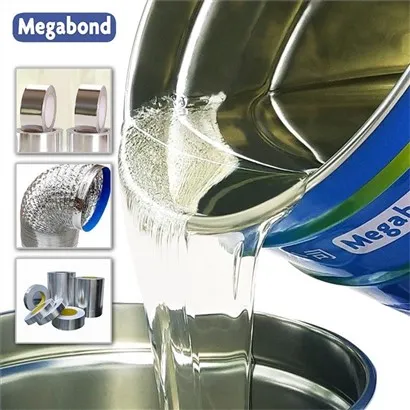


As a seasoned supplier of PVC laminating adhesive, I've encountered numerous inquiries regarding the recommended application thickness. This parameter is crucial as it directly impacts the bonding strength, durability, and overall performance of the laminated materials. In this blog post, I'll delve into the factors influencing the application thickness and provide some general guidelines to help you achieve optimal results.
Factors Affecting the Recommended Application Thickness
Substrate Material
The type of substrate being laminated plays a significant role in determining the appropriate adhesive thickness. Different materials have varying surface porosities, textures, and absorption rates, which can affect how the adhesive spreads and adheres. For instance, porous substrates like wood or certain types of paper may require a thicker layer of adhesive to penetrate the surface and create a strong bond. On the other hand, smooth and non-porous substrates such as metal or glass may need a thinner application to avoid excess adhesive seepage or a messy appearance.
Adhesive Type
There are various types of PVC laminating adhesives available in the market, each with its own characteristics and recommended application thicknesses. Solvent-based adhesives, for example, typically require a thicker layer compared to water-based adhesives. This is because solvent-based adhesives need to evaporate the solvent during the drying process, and a thicker layer ensures that there is enough adhesive to compensate for the loss of volume as the solvent evaporates. Water-based adhesives, on the other hand, are generally thinner and can be applied more thinly due to their lower viscosity and faster drying time.
Lamination Process
The lamination process itself can also influence the recommended application thickness. For example, in a hot lamination process, where heat is applied to activate the adhesive, a thinner layer may be sufficient as the heat helps to spread the adhesive more evenly and enhances its bonding properties. In contrast, a cold lamination process may require a thicker layer to ensure proper adhesion without the aid of heat.
Desired Bond Strength
The level of bond strength required for the specific application is another important factor to consider. If a high-strength bond is needed, such as in applications where the laminated materials will be subjected to heavy loads or stress, a thicker layer of adhesive may be necessary. Conversely, for applications where a less strong bond is acceptable, a thinner layer can be used to save on adhesive costs and reduce the overall weight of the laminated product.
General Guidelines for Application Thickness
Based on my experience as a PVC laminating adhesive supplier, here are some general guidelines for the recommended application thickness:
Solvent-based Adhesives
- For porous substrates like wood or paper, a thickness of 0.1 to 0.2 mm is typically recommended. This allows the adhesive to penetrate the substrate and create a strong bond.
- For non-porous substrates such as metal or glass, a thickness of 0.05 to 0.1 mm is usually sufficient. This helps to prevent excess adhesive seepage and ensures a clean and professional finish.
Water-based Adhesives
- For porous substrates, a thickness of 0.05 to 0.1 mm is generally adequate. Water-based adhesives have good wetting properties and can spread evenly on the substrate surface with a relatively thin layer.
- For non-porous substrates, a thickness of 0.03 to 0.05 mm may be sufficient. The lower viscosity of water-based adhesives allows for a thinner application without sacrificing adhesion.
It's important to note that these are just general guidelines, and the actual recommended application thickness may vary depending on the specific adhesive product, substrate materials, and lamination process. It's always a good idea to consult the adhesive manufacturer's technical data sheet or product instructions for the most accurate and up-to-date information.
Our Product Range and Application Examples
As a leading supplier of PVC laminating adhesives, we offer a wide range of high-quality products to meet the diverse needs of our customers. Here are some of our popular products and their recommended application thicknesses:
Solvent-based Door Panel PVC Metal Laminating Adhesive
This solvent-based adhesive is specifically designed for laminating PVC to metal door panels. It provides excellent bonding strength and durability, making it ideal for both interior and exterior applications. The recommended application thickness for this adhesive is 0.08 to 0.12 mm on metal substrates and 0.1 to 0.15 mm on PVC substrates.
Solvent-based DMD Insulation Laminating PU Glue
Our solvent-based DMD insulation laminating PU glue is formulated to bond DMD (Dacron-Mylar-Dacron) insulation materials to various substrates. It offers superior heat resistance and electrical insulation properties. The recommended application thickness for this adhesive is 0.06 to 0.1 mm on DMD materials and 0.08 to 0.12 mm on other substrates.


Solvent-based Metal Plastic Tinplate Laminating PU Glue
This solvent-based PU glue is suitable for laminating metal, plastic, and tinplate materials. It provides a strong and flexible bond, even under harsh environmental conditions. The recommended application thickness for this adhesive is 0.07 to 0.11 mm on metal substrates and 0.09 to 0.13 mm on plastic and tinplate substrates.
Conclusion
Determining the recommended application thickness of PVC laminating adhesive is a critical step in achieving a successful lamination. By considering factors such as substrate material, adhesive type, lamination process, and desired bond strength, you can select the appropriate application thickness for your specific application. Our company offers a wide range of high-quality PVC laminating adhesives, each with its own recommended application thickness. If you have any questions or need further assistance in choosing the right adhesive or determining the correct application thickness, please don't hesitate to contact us. We're here to help you achieve the best results in your lamination projects.
References
- Adhesive Manufacturer's Technical Data Sheets
- Industry Standards and Guidelines for Lamination Processes