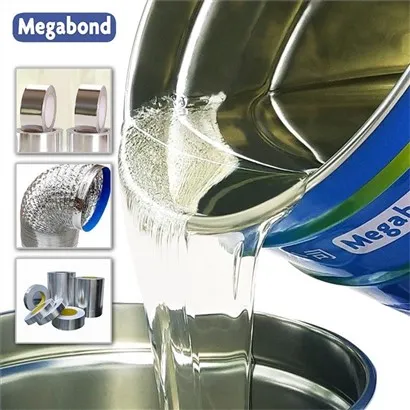


PU lamination adhesives are widely used in various industries, including packaging, textiles, and automotive, due to their excellent bonding properties, flexibility, and durability. As a supplier of PU lamination adhesives, understanding the shelf-life of these products is crucial for both us and our customers. In this blog, we will delve into the concept of shelf-life, the factors affecting it, and how to ensure the optimal performance of our PU lamination adhesives within their shelf-life.
What is Shelf-Life?
The shelf-life of a product refers to the period during which it can be stored under specified conditions and still maintain its quality, performance, and safety. For PU lamination adhesives, the shelf-life is the time frame within which the adhesive retains its intended properties, such as viscosity, bonding strength, and chemical stability. After the expiration of the shelf-life, the adhesive may experience changes in its physical and chemical properties, which can lead to reduced performance and potentially affect the quality of the laminated products.
Factors Affecting the Shelf-Life of PU Lamination Adhesives
Several factors can influence the shelf-life of PU lamination adhesives. Understanding these factors is essential for proper storage and handling to maximize the adhesive's longevity.
1. Chemical Composition
The chemical composition of the adhesive is a primary determinant of its shelf-life. PU lamination adhesives are typically composed of polyurethane polymers, solvents, and additives. The stability of these components can vary depending on their chemical structure and reactivity. For example, some solvents may be more volatile or reactive than others, which can affect the adhesive's stability over time. Additionally, the presence of certain additives, such as antioxidants or stabilizers, can help extend the shelf-life by preventing oxidation and degradation of the adhesive.
2. Storage Conditions
Proper storage conditions are crucial for maintaining the quality of PU lamination adhesives. The ideal storage environment should be cool, dry, and away from direct sunlight and sources of heat. High temperatures can accelerate the chemical reactions within the adhesive, leading to changes in viscosity, curing time, and bonding strength. Humidity can also have a negative impact on the adhesive, as it can cause moisture absorption, which may lead to hydrolysis and degradation of the polyurethane polymers. Therefore, it is recommended to store the adhesives in sealed containers at a temperature between 5°C and 30°C and a relative humidity below 70%.
3. Packaging
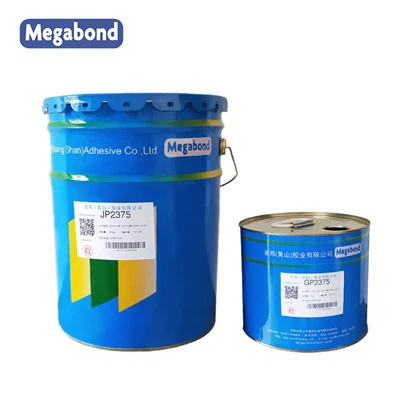
The type of packaging used for the adhesive can also affect its shelf-life. Adhesives should be stored in containers that are resistant to the solvents and chemicals present in the adhesive. Sealed containers help prevent the entry of air, moisture, and contaminants, which can all contribute to the degradation of the adhesive. Additionally, the packaging should be labeled with the product name, batch number, manufacturing date, and expiration date to ensure proper inventory management and traceability.
4. Handling and Usage
Proper handling and usage of the adhesive can also impact its shelf-life. Contamination of the adhesive during handling, such as by introducing foreign particles or moisture, can accelerate its degradation. It is important to use clean equipment and follow the manufacturer's instructions for mixing, application, and curing. Additionally, any unused adhesive should be properly stored to prevent contamination and degradation.


Typical Shelf-Life of PU Lamination Adhesives
The shelf-life of PU lamination adhesives can vary depending on the specific product and its formulation. Generally, most PU lamination adhesives have a shelf-life of 6 to 12 months when stored under recommended conditions. However, some high-quality adhesives with advanced formulations and additives may have a longer shelf-life of up to 18 months or more. It is important to refer to the product datasheet or consult with the manufacturer for the specific shelf-life information of each adhesive.
Monitoring and Testing the Shelf-Life
To ensure the quality and performance of the PU lamination adhesives within their shelf-life, it is recommended to conduct regular monitoring and testing. This can include visual inspection of the adhesive for any signs of discoloration, separation, or changes in viscosity. Additionally, periodic testing of the adhesive's bonding strength, curing time, and other performance properties can help detect any potential issues before they affect the quality of the laminated products.
Ensuring Optimal Performance within the Shelf-Life
To ensure the optimal performance of the PU lamination adhesives within their shelf-life, the following guidelines should be followed:
1. Follow the Manufacturer's Instructions
Always follow the manufacturer's instructions for storage, handling, mixing, application, and curing of the adhesive. These instructions are based on extensive research and testing and are designed to ensure the best performance and safety of the product.
2. Conduct Regular Quality Checks
Regularly check the adhesive for any signs of degradation, such as changes in color, viscosity, or odor. If any abnormalities are detected, it is recommended to contact the manufacturer for further guidance.
3. Use the Adhesive within the Recommended Shelf-Life
It is important to use the adhesive within its recommended shelf-life to ensure optimal performance. Using expired adhesives can lead to reduced bonding strength, poor adhesion, and other quality issues.
4. Store the Adhesive Properly
Store the adhesive in a cool, dry place away from direct sunlight and sources of heat. Keep the containers sealed to prevent the entry of air, moisture, and contaminants.
5. Train Your Staff
Ensure that your staff is properly trained in the handling, storage, and application of the adhesive. Proper training can help prevent contamination and ensure that the adhesive is used correctly, which can extend its shelf-life and improve the quality of the laminated products.
Our Product Offerings
As a leading supplier of PU lamination adhesives, we offer a wide range of high-quality products to meet the diverse needs of our customers. Our product portfolio includes Solvent-based MET Plastic Film Laminating Adhesive, which is specifically designed for laminating metalized plastic films, and Solvent-based 121℃ Anti-Retorting Laminating Adhesive, which is suitable for applications requiring high-temperature resistance and anti-retorting properties. All of our products are manufactured using the latest technology and highest quality raw materials to ensure excellent performance and reliability.
Conclusion
The shelf-life of PU lamination adhesives is an important consideration for both suppliers and customers. By understanding the factors that affect the shelf-life and following proper storage, handling, and usage guidelines, we can ensure the optimal performance of our adhesives within their recommended shelf-life. As a supplier, we are committed to providing our customers with high-quality products and technical support to help them achieve the best results in their lamination applications. If you have any questions or need further information about our PU lamination adhesives, please do not hesitate to contact us. We look forward to discussing your specific requirements and exploring potential partnerships with you.
References
- Handbook of Adhesive Technology, Second Edition, edited by A. Pizzi and K. L. Mittal
- Polyurethane Handbook, Third Edition, edited by G. Oertel
- Adhesives and Sealants Technology, by K. W. Allen