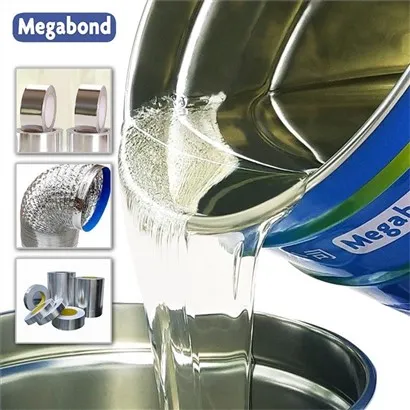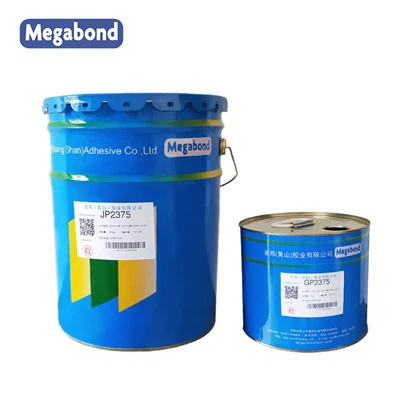


Hey there! As a laminating adhesive supplier, I often get asked about the viscosity of laminating adhesive. So, I thought I'd break it down for you in this blog post.
First off, let's talk about what viscosity actually is. In simple terms, viscosity is a measure of a fluid's resistance to flow. You can think of it like how thick or thin a liquid is. For example, honey has a high viscosity because it's thick and flows slowly, while water has a low viscosity because it's thin and flows easily.
When it comes to laminating adhesives, viscosity plays a crucial role in how the adhesive behaves during the lamination process. The right viscosity ensures that the adhesive spreads evenly on the substrate, bonds well with the materials being laminated, and gives the final product the desired properties.
Now, the viscosity of laminating adhesives can vary widely depending on several factors. One of the main factors is the type of adhesive. There are different types of laminating adhesives out there, such as solvent - based, solvent - free, and water - based adhesives.
Solvent - free adhesives are becoming increasingly popular in the laminating industry. They're more environmentally friendly and often offer better performance in terms of bonding strength and chemical resistance. For instance, our [Solvent - free Aluminum Foil To Films Laminating Adhesive](/pu - adhesive - lamination - packaging/solvent - free - polyurethane - adhesive/solvent - free - aluminum - foil - to - films.html) is a great example. This adhesive has a carefully controlled viscosity that allows it to spread smoothly on aluminum foil and various films, ensuring a strong and durable bond.
Another important solvent - free option is our [Solvent - free Polyether Laminating Adhesive](/pu - adhesive - lamination - packaging/solvent - free - polyurethane - adhesive/solvent - free - polyether - laminating - adhesive.html). Polyether - based laminating adhesives typically have a different viscosity profile compared to other types. Their viscosity is optimized to provide good wetting properties, which means they can quickly and evenly cover the surface of the materials being laminated. This helps in achieving a uniform bond across the entire area.
If you're looking for an adhesive for retort packaging, our [Solvent - free 121℃ Retortable Laminating Adhesive](/pu - adhesive - lamination - packaging/solvent - free - polyurethane - adhesive/solvent - free - 121 - retortable - laminating.html) is a top choice. Retort packaging involves subjecting the laminated product to high - temperature and high - pressure conditions. The viscosity of this adhesive is designed to withstand these harsh conditions. It remains stable during the retort process, ensuring that the bond between the layers doesn't break down.
The formulation of the adhesive also affects its viscosity. Adhesive manufacturers like us carefully select the raw materials and additives to achieve the desired viscosity. For example, the type of resin used in the adhesive can have a big impact. Some resins naturally result in a higher - viscosity adhesive, while others can be adjusted to lower the viscosity.
Temperature is another factor that can change the viscosity of laminating adhesives. Generally, as the temperature increases, the viscosity of the adhesive decreases. This is important to keep in mind during the lamination process. If the adhesive is too thick at the operating temperature, it may not spread evenly. On the other hand, if it's too thin, it might not provide enough bonding strength. So, it's crucial to control the temperature within a specific range to maintain the optimal viscosity.
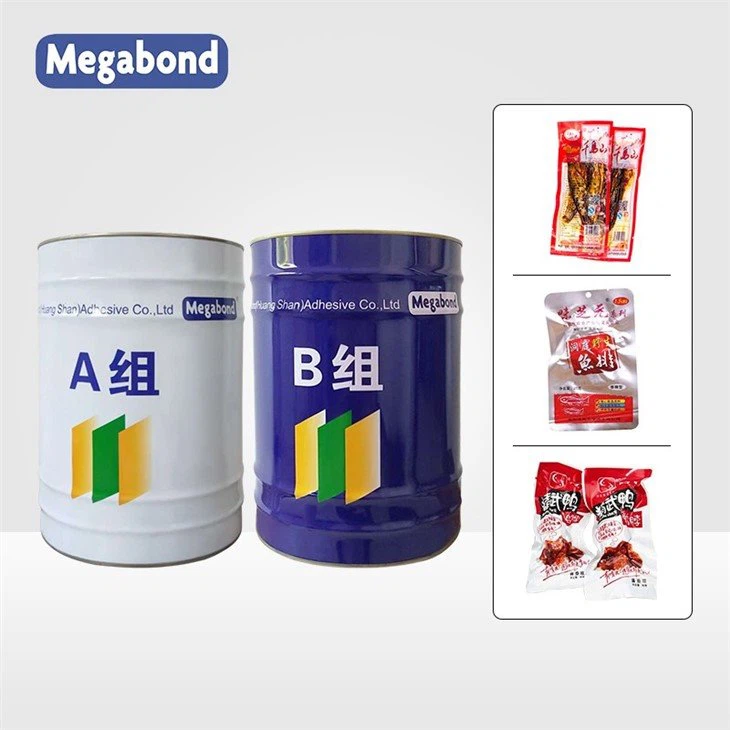
The application method also influences the ideal viscosity of the laminating adhesive. Different application methods, such as roll coating, spray coating, or gravure coating, require different viscosity levels. For roll coating, an adhesive with a medium viscosity is often preferred. This allows the adhesive to be transferred evenly from the roll to the substrate. Spray coating, on the other hand, usually works better with a lower - viscosity adhesive so that it can be atomized easily and sprayed onto the surface.
Measuring the viscosity of laminating adhesives is typically done using a viscometer. There are different types of viscometers available, such as rotational viscometers and capillary viscometers. Rotational viscometers work by measuring the torque required to rotate a spindle in the adhesive sample. Capillary viscometers measure the time it takes for the adhesive to flow through a narrow tube. These measurements help us ensure that the adhesive meets the required viscosity specifications.
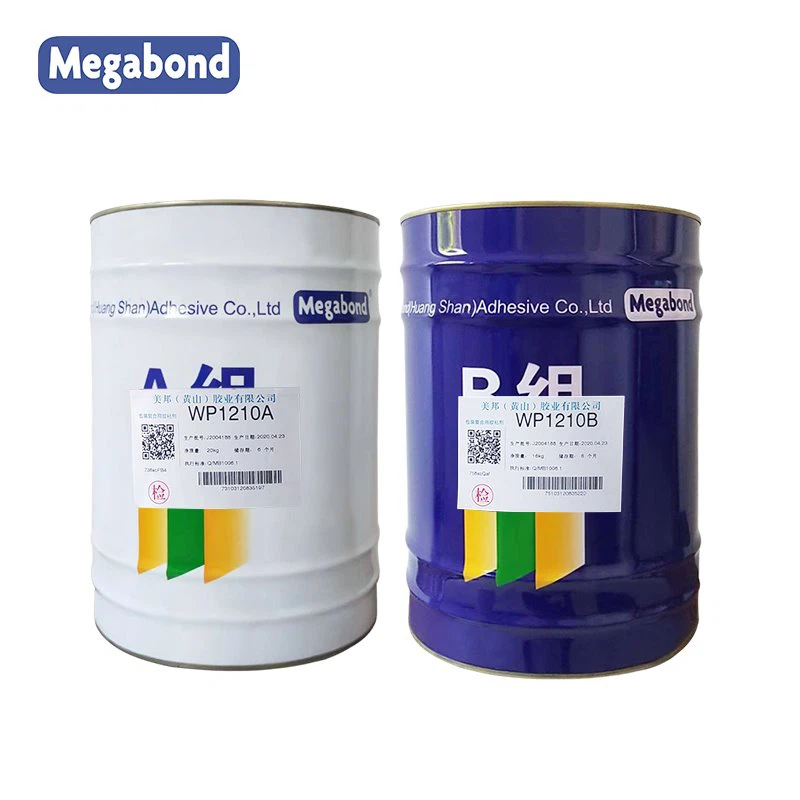
As a laminating adhesive supplier, we conduct extensive testing on our adhesives to make sure their viscosity is consistent from batch to batch. This consistency is crucial for our customers because it allows them to have predictable results in their lamination processes.
If you're in the market for laminating adhesives, understanding the viscosity is essential. It can affect the quality of your laminated products, the efficiency of your production process, and ultimately, your bottom line. Whether you're laminating food packaging, industrial materials, or any other products, choosing the right adhesive with the appropriate viscosity is key.
So, if you're interested in learning more about our laminating adhesives or have specific requirements regarding viscosity, feel free to reach out to us. We're here to help you find the perfect adhesive solution for your needs. Contact us to start a discussion about your laminating adhesive requirements and let's work together to achieve the best results for your business.
References:
- Various industry research papers on laminating adhesives and their properties
- Internal product development and testing reports from our company