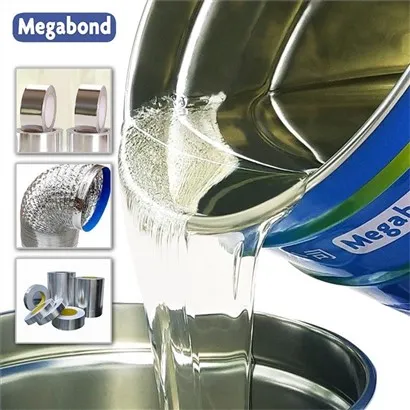


Hey there! As a supplier of solvent-free lamination adhesives, I totally get the headache when you find that the adhesive isn't bonding well. It's a real pain in the neck, but don't worry, I'm here to walk you through some possible reasons and solutions.
1. Check the Surface Conditions
First off, the surface of the materials you're laminating matters big time. If the surface is dirty, oily, or has some kind of release agent on it, the adhesive won't stick properly. For example, if you're laminating plastic films, sometimes they come with a thin layer of anti - static agent or dust on them.

You can use a clean, lint - free cloth to wipe the surfaces before applying the adhesive. Also, make sure the environment where you're doing the lamination is clean. A dusty or dirty workspace can easily contaminate the surfaces. If possible, use an alcohol - based cleaner to give the surfaces a good wipe. Just be careful, though, as some materials might react with alcohol.
2. Examine the Mixing Ratio
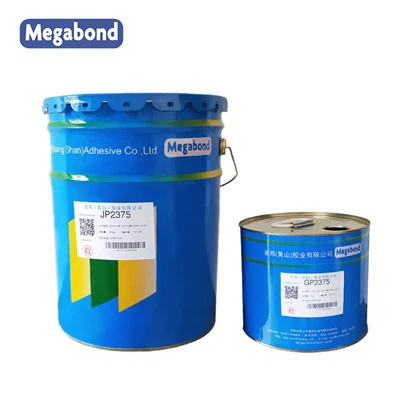
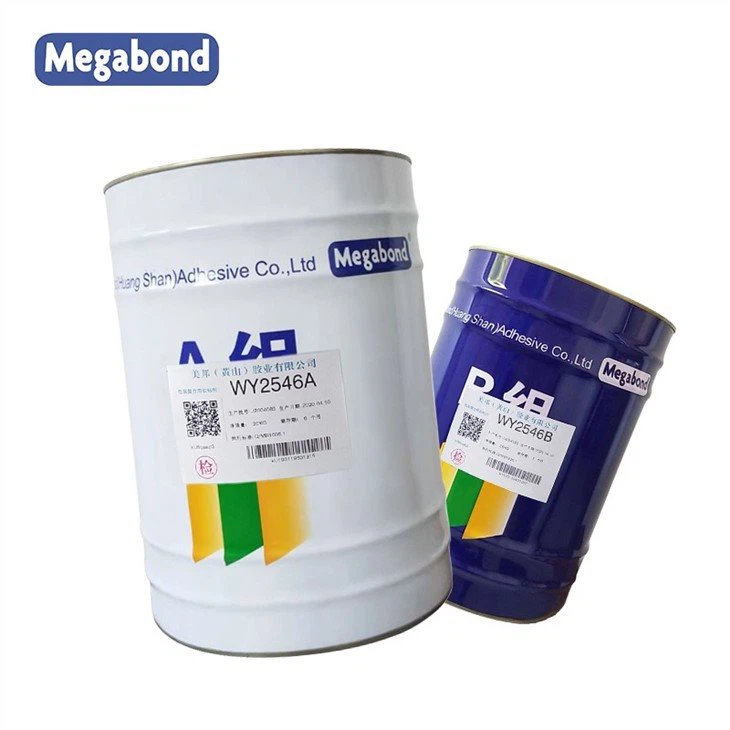
The mixing ratio of the solvent - free lamination adhesive is super important. Most of these adhesives come in two parts: a resin and a hardener. If you don't mix them in the right proportion, the adhesive won't cure properly, and that leads to poor bonding.
Always follow the manufacturer's instructions for the mixing ratio. Usually, it's something like a 1:1 or 2:1 ratio. Use a proper measuring tool, like a graduated cylinder or a digital scale, to ensure accurate mixing. And don't just eyeball it, because even a small deviation can cause big problems.
3. Evaluate the Curing Conditions
Curing is the process where the adhesive sets and forms a strong bond. The temperature and time during the curing process play a huge role. If the temperature is too low, the adhesive might not cure fully, and if it's too high, it could cause the adhesive to break down.
For most solvent - free lamination adhesives, there's an optimal temperature range for curing. For instance, some adhesives cure best at around 40 - 50°C. Make sure you have a good temperature - controlled environment for the curing process. Also, don't rush the curing time. Let the laminated materials sit for the recommended amount of time before handling them.
4. Look at the Application Method
How you apply the adhesive can also affect the bonding. If you apply it too thick or too thin, it can lead to problems. Applying the adhesive too thickly can cause it to take longer to cure, and there might be issues with air bubbles getting trapped inside. Applying it too thinly might not provide enough adhesive to form a strong bond.
Use the right application tool, like a roller or a blade coater, depending on the type of materials you're laminating. Make sure the application is even across the surface. If you notice any streaks or uneven areas, try to correct them immediately.
5. Consider the Compatibility of Materials
Not all materials are compatible with every solvent - free lamination adhesive. Some plastics, metals, or papers might have different surface chemistries that don't react well with the adhesive. For example, a highly crystalline plastic might be more difficult to bond than an amorphous one.
Before you start a large - scale lamination project, do a small - scale test with the materials and the adhesive you plan to use. This way, you can see if there are any compatibility issues early on. If you find that the adhesive doesn't bond well with a particular material, you might need to look for a different type of adhesive.
Our Product Recommendations
We offer a range of high - quality solvent - free lamination adhesives that are designed to provide excellent bonding. Check out our Solvent - free 125℃ Retortable Laminating Adhesive, which is perfect for applications that require high - temperature resistance. It can withstand the rigors of retort processing, ensuring a strong and durable bond.
If you're looking for an adhesive for anti - cooking applications, our Solvent - free 100℃ Anti - Cooking Laminating Adhesive is a great choice. It provides reliable bonding even in environments where there's exposure to heat and moisture.
And for those who need an adhesive for 121°C retort applications, our Solvent - free 121℃ Retortable Laminating Adhesive is top - notch. It offers excellent chemical resistance and bond strength.
Conclusion
If you're facing problems with poor bonding of solvent - free lamination adhesives, don't panic. By checking the surface conditions, mixing ratio, curing conditions, application method, and material compatibility, you can usually find and fix the issue. And if you need high - quality adhesives, we've got you covered with our great product range.
If you're interested in our products or have any questions about solvent - free lamination adhesives, feel free to reach out to us for a procurement discussion. We're always here to help you find the best adhesive solution for your needs.
References
- Industry standards for solvent - free lamination adhesives.
- Manufacturer's instructions for various solvent - free lamination adhesives.