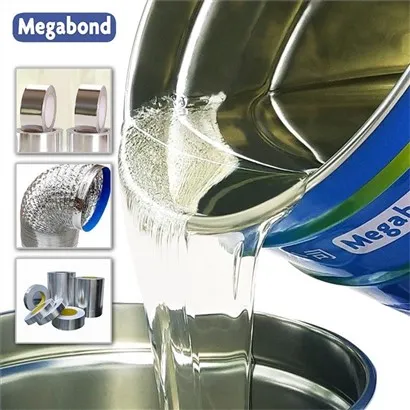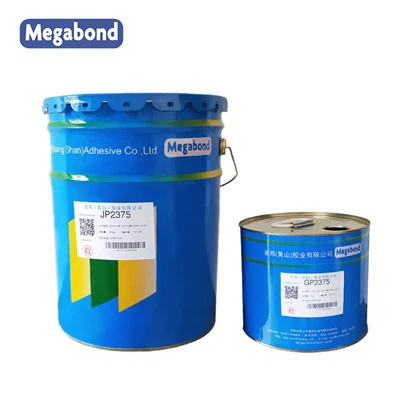


Hey there! As a supplier of solventless lamination adhesive, I often get asked about safety precautions when using this type of adhesive. Well, you've come to the right place! In this blog, I'll share some important safety tips to keep in mind.
First off, let's talk about what solventless lamination adhesive is. It's a type of adhesive that doesn't contain any solvents, which is great for the environment and our health. Solventless adhesives are used in a variety of applications, like packaging, where they bond different layers of materials together.
One of the key safety precautions is proper storage. Solventless lamination adhesives should be stored in a cool, dry place. High temperatures can affect the adhesive's properties, making it less effective or even causing it to degrade. So, make sure to keep the adhesive away from direct sunlight and heat sources. Also, check the expiration date on the product. Using an expired adhesive can lead to poor bonding results and might even pose safety risks.
When it comes to handling the adhesive, always wear appropriate personal protective equipment (PPE). This includes gloves and safety glasses. Gloves protect your hands from direct contact with the adhesive, which can cause skin irritation. Some adhesives might have chemicals that can be absorbed through the skin, so gloves are a must. Safety glasses shield your eyes from any splashes or fumes that could potentially cause eye damage.
Ventilation is another crucial aspect. Even though solventless adhesives don't have solvents, they can still release some fumes during the application process. Make sure the work area is well - ventilated. You can use exhaust fans or open windows to ensure fresh air circulation. If you're working in a small, enclosed space, it's even more important to have proper ventilation to prevent the build - up of any fumes.
Before using the adhesive, read the product label and the safety data sheet (SDS) carefully. The SDS provides detailed information about the chemical composition of the adhesive, its hazards, and the recommended safety measures. It also tells you what to do in case of an emergency, like accidental ingestion or skin contact.

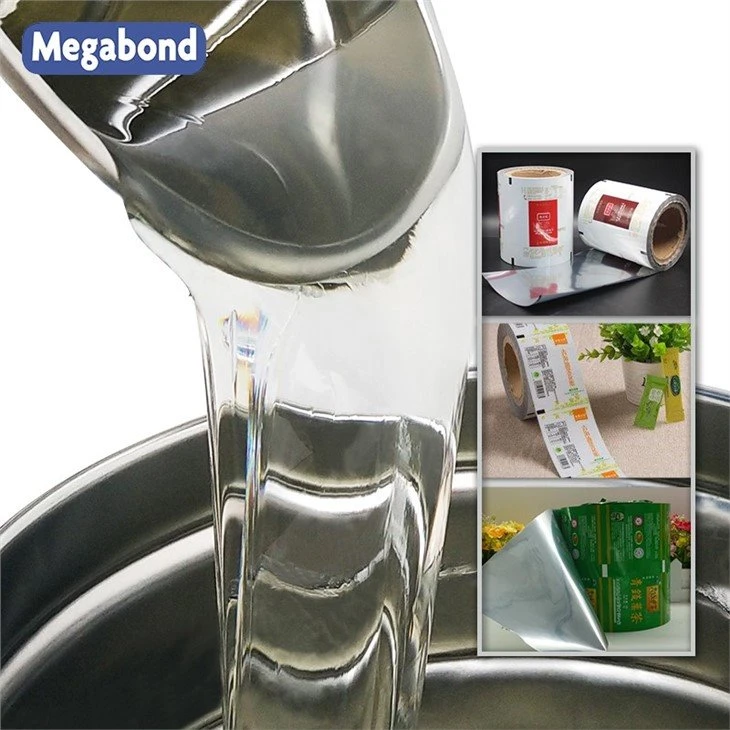
During the mixing process, if the adhesive requires mixing of two or more components, follow the instructions precisely. Incorrect mixing ratios can lead to improper curing of the adhesive. This might result in weak bonds between the laminated materials, which can be a safety issue, especially in packaging applications where the integrity of the package is important.
Now, let's talk about the application process. When applying the solventless lamination adhesive, make sure the equipment is clean and in good working condition. Dirty equipment can contaminate the adhesive and affect its performance. Also, be careful when operating the machinery. Follow all the safety guidelines provided by the equipment manufacturer. For example, some machines might have moving parts that can cause injuries if you're not careful.
After the application, clean up any spills immediately. Use the appropriate cleaning agents recommended for the adhesive. Leaving spills on the floor or work surface can create a slipping hazard, and it can also contaminate other materials.
Let's take a look at some of the solventless lamination adhesives we offer. We have the Solvent-free MET Plastic Film Laminating Adhesive, which is perfect for laminating metalized plastic films. It provides excellent bonding strength and is very reliable.
Another great product is the Solvent-free 121℃ Retortable Laminating Adhesive. This adhesive can withstand high - temperature retort processes, making it ideal for food packaging that requires sterilization.
And then we have the Solvent-free 100℃ Anti-Cooking Laminating Adhesive, which is suitable for applications where the package might be exposed to cooking temperatures up to 100℃.
In conclusion, using solventless lamination adhesive can be a safe and effective process as long as you follow the proper safety precautions. By storing the adhesive correctly, wearing PPE, ensuring proper ventilation, and following the product instructions, you can minimize the risks and get the best results.
If you're interested in our solventless lamination adhesives or have any questions about safety precautions or product selection, feel free to reach out. We're here to help you make the right choice for your lamination needs and ensure a safe working environment.
References
- Product labels and safety data sheets of solventless lamination adhesives
- Industry best practices for handling and using adhesives