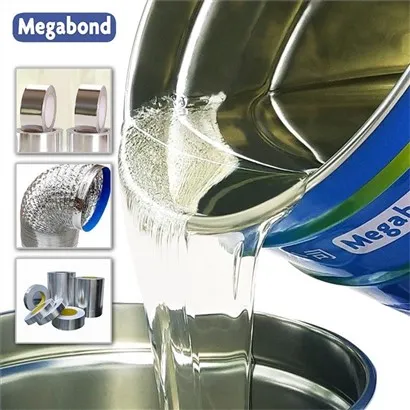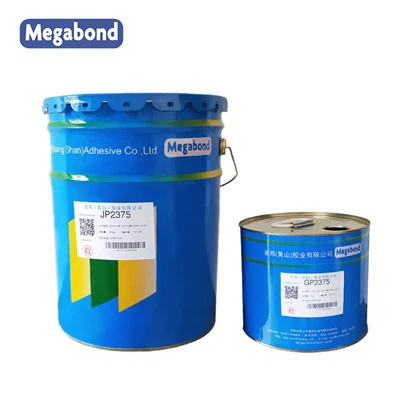


Hey there! As a supplier of Polyurethane Glue laminating glue, I often get asked about how our products hold up against UV light. It's a crucial question, especially for applications where the glued materials are exposed to sunlight or other UV sources. In this blog, I'll dive deep into this topic and share some insights based on our experience and research.
What is Polyurethane Laminating Glue?
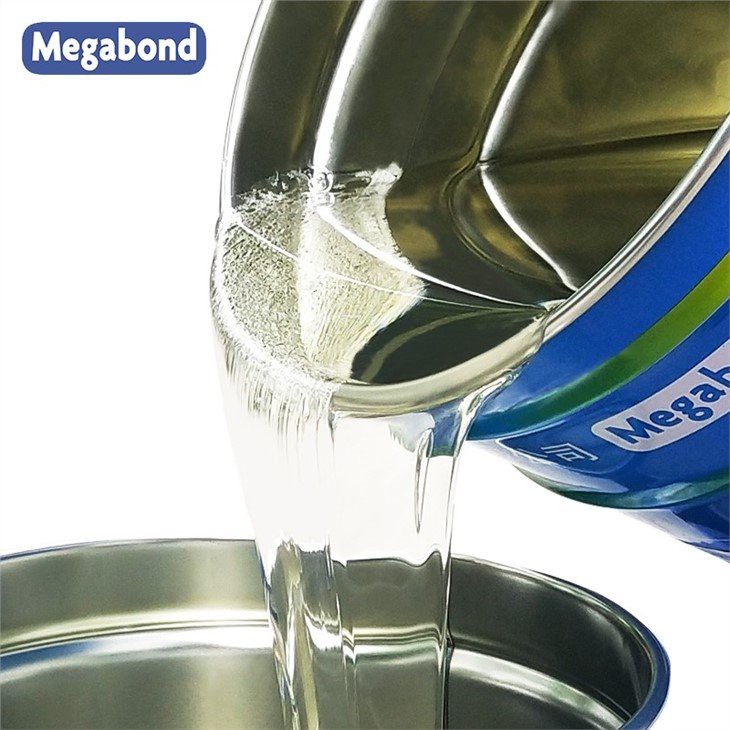
First off, let's quickly go over what polyurethane laminating glue is. It's a type of adhesive that's widely used in various industries for bonding different materials together. Whether it's laminating plastics, fabrics, metals, or other substrates, polyurethane glue offers strong adhesion and flexibility. It comes in different forms, such as solvent - based and solvent - free, each with its own set of advantages.
The Impact of UV Light on Glues
UV light can have some pretty significant effects on adhesives. When exposed to UV rays, the chemical structure of the glue can start to break down. This is because UV light has enough energy to break the chemical bonds in the glue. As these bonds break, the glue can lose its strength, become brittle, and eventually fail to hold the laminated materials together.
How Our Polyurethane Laminating Glue Holds Up
Now, let's talk about how our polyurethane laminating glue stands up to UV light. We've put a lot of effort into developing products that can withstand UV exposure for as long as possible.
Chemical Resistance
Our R & D team has formulated the glue with special additives that act as UV stabilizers. These stabilizers absorb the UV light and prevent it from causing damage to the main adhesive matrix. They work by dissipating the energy from the UV rays in a non - destructive way. So, even when the glue is exposed to sunlight for extended periods, the additives help maintain the integrity of the chemical bonds in the glue.
Testing Results
We've conducted numerous tests on our products under different UV exposure conditions. In accelerated UV aging tests, where we simulate years of UV exposure in a short period, our glue has shown remarkable performance. The results indicate that our glue retains a high percentage of its original bonding strength even after being exposed to intense UV light. For example, in a test where we exposed a sample of our laminating glue to UV light equivalent to 5 years of outdoor sunlight, the bonding strength decreased by less than 10%.

Applications and UV Resistance
The level of UV resistance required can vary depending on the application. Let's take a look at some common applications of our polyurethane laminating glue and how they deal with UV light.
Solvent - based AL Copper Material Laminating Adhesive
This Solvent - based AL Copper Material Laminating Adhesive is often used in electrical and electronic applications. In many cases, these applications are not directly exposed to sunlight, but they may still be exposed to some low - level UV light in indoor environments. Our adhesive has been designed to resist this low - level UV exposure, ensuring that the laminated AL and copper materials remain firmly bonded over time.
Solvent - based DMD Insulation Laminating PU Glue
The Solvent - based DMD Insulation Laminating PU Glue is used for insulation purposes. In some industrial settings, the insulated components may be exposed to UV light from fluorescent lamps or other sources. Our glue provides sufficient UV resistance to maintain the insulation properties and the bonding between the DMD layers, preventing any potential electrical failures due to adhesive degradation.
Solvent - based Reflective Beads Laminating Adhesive
For the Solvent - based Reflective Beads Laminating Adhesive, UV resistance is crucial. Reflective beads are often used in outdoor signage, road markings, and safety equipment. These applications are directly exposed to sunlight, so our adhesive is formulated to have excellent UV resistance. It ensures that the reflective beads stay firmly attached to the substrate, maintaining the visibility and functionality of the reflective products over time.
Factors Affecting UV Resistance
It's important to note that there are other factors besides the glue formulation that can affect how well our polyurethane laminating glue holds up against UV light.
Environmental Conditions
The temperature and humidity in the environment where the glued materials are located can play a role. High temperatures can accelerate the UV - induced degradation process. Similarly, high humidity can cause moisture to penetrate the glue, which may also weaken its structure and make it more susceptible to UV damage.
Thickness of the Glue Layer
The thickness of the glue layer can impact UV resistance. A thicker layer of glue may provide more protection as it has more material to absorb and dissipate the UV energy. However, there's a balance, as an overly thick layer may also cause other issues, such as longer curing times and potential uneven bonding.
Tips for Maximizing UV Resistance
If you're using our polyurethane laminating glue in applications where UV exposure is a concern, here are some tips to get the most out of its UV - resistant properties.
Proper Surface Preparation
Make sure the surfaces to be bonded are clean, dry, and free of any contaminants. A good surface preparation ensures a strong initial bond, which can better withstand the effects of UV light over time.
Use of Protective Coatings
In some cases, applying a protective coating over the glued area can provide an extra layer of protection against UV light. This can be especially useful for applications with extreme UV exposure.
Conclusion
In conclusion, our polyurethane laminating glue is designed to offer excellent resistance to UV light. Through careful formulation with UV stabilizers and extensive testing, we've ensured that our products can maintain their bonding strength and performance even under significant UV exposure. Whether it's for industrial, electrical, or outdoor applications, our glue can meet the requirements for UV resistance.
If you're interested in learning more about our products or have specific requirements for your laminating projects, don't hesitate to reach out. We're always here to help you find the best adhesive solution for your needs and can offer more detailed information on how our glue can perform in your particular UV - exposed applications. Let's start a conversation and see how we can work together to solve your bonding challenges.
References
- ASTM G154 - Standard Practice for Operating Fluorescent Ultraviolet (UV) Lamp Apparatus for Exposure of Non - metallic Materials.
- ISO 4892 - 3:2016 Plastics — Methods of exposure to laboratory light sources — Part 3: Fluorescent UV lamps.