

Hey there! As a supplier of water-based acrylic adhesives, I often get asked a bunch of questions about our products. One of the most common ones is, "Are water-based acrylic adhesives resistant to UV light?" Well, let's dive right into this topic and break it down.
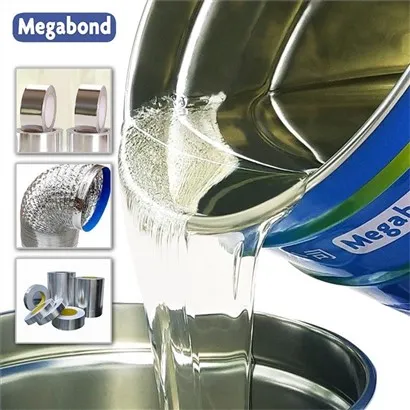
First off, let's understand what water-based acrylic adhesives are. These adhesives are a popular choice in many industries because they're eco - friendly. Unlike some solvent - based adhesives, they don't release a ton of volatile organic compounds (VOCs), which is great for the environment and for the people using them. They're also pretty versatile. You can use them for things like laminating, bonding different materials together, and in packaging applications. Check out our Water-based Acrylic Laminating Adhesive for more info on one of our specific products.
Now, when it comes to UV light resistance, it's not a one - size - fits - all answer. Some water - based acrylic adhesives have good UV resistance, while others don't. It really depends on how they're formulated.
The basic acrylic polymers in these adhesives have some natural resistance to UV light. Acrylics are known for their durability and stability to a certain extent. But the level of UV resistance can vary based on a few factors.
One factor is the presence of additives. Manufacturers can add special UV stabilizers to the adhesive formulation. These stabilizers work by absorbing or blocking the UV rays, preventing them from breaking down the adhesive. When we formulate our water - based acrylic adhesives, we can choose to include these stabilizers depending on the intended use of the product. If it's going to be used in an application where it'll be exposed to a lot of sunlight, like outdoor signage or automotive parts that are in direct sunlight, we'll definitely add the right amount of UV stabilizers.
Another thing that affects UV resistance is the thickness of the adhesive layer. A thicker layer of adhesive can provide more protection against UV light. Think of it like wearing a thicker coat in the cold. The more material there is, the more it can shield the underlying parts. However, we have to be careful with thickness because it can also affect other properties of the adhesive, like its drying time and flexibility.
The type of substrate the adhesive is applied to also plays a role. Some substrates can reflect or absorb UV light in different ways. For example, if the adhesive is on a dark - colored substrate, the substrate might absorb more UV light, which could potentially reduce the amount of UV that reaches the adhesive. On the other hand, a light - colored or reflective substrate might bounce the UV light around, and the adhesive could be exposed to more UV radiation.
Let's talk about some real - world applications. In the packaging industry, water - based acrylic adhesives are widely used. For most indoor packaging applications, UV resistance isn't a huge concern. The products are usually stored in warehouses or on store shelves away from direct sunlight. But for outdoor packaging, like some agricultural products that are stored outside or shipping containers that are exposed to the elements, UV resistance becomes crucial. Our water - based acrylic adhesives with proper UV stabilizers can be a great choice for such applications.
In the automotive industry, water - based acrylic adhesives are used for bonding interior and exterior parts. Interior parts are generally less exposed to UV light, but exterior parts, like emblems or trim pieces, are constantly under the sun. We've developed adhesives with high UV resistance for these exterior applications. They can withstand the harsh UV rays and keep the parts firmly bonded for a long time.
Now, I know you might be wondering how we test the UV resistance of our water - based acrylic adhesives. We use a variety of methods. One common way is to use a UV chamber. In this chamber, we expose samples of the adhesive to artificial UV light that mimics the intensity and spectrum of sunlight. We can control the duration and intensity of the UV exposure. After the exposure, we test the adhesive for things like its bond strength, color change, and any signs of degradation. If the adhesive passes our strict tests, we know it's ready to be used in real - world applications.
But it's important to note that even the most UV - resistant water - based acrylic adhesives have their limits. Over a long period of time, continuous exposure to intense UV light will eventually cause some degree of degradation. The adhesive might start to lose its bond strength, change color, or become brittle. However, with the right formulation and proper use, the lifespan of the adhesive can be significantly extended.
So, to sum it up, water - based acrylic adhesives can be resistant to UV light, but it depends on the formulation, the presence of additives, the thickness of the adhesive layer, and the substrate. If you're in an industry where UV resistance is important, you need to choose the right adhesive. And that's where we come in.


As a supplier of water - based acrylic adhesives, we have a wide range of products to meet different needs. Whether you need an adhesive with high UV resistance for outdoor applications or a more general - purpose adhesive for indoor use, we've got you covered. We can work with you to understand your specific requirements and recommend the best product for your project.
If you're interested in learning more about our water - based acrylic adhesives or want to discuss a potential purchase, don't hesitate to reach out. We're always happy to have a chat and help you find the perfect adhesive solution for your business.
References
- "Acrylic Adhesives: Chemistry and Technology" by David Satas
- "Polymer Science and Technology" textbooks for general information on acrylic polymers and UV resistance