

Is PVC Laminating Glue Flammable?
As a supplier of PVC laminating glue, I often encounter inquiries from customers regarding the flammability of our products. This is a crucial concern, especially in industries where safety is paramount, such as construction, automotive, and electronics. In this blog post, I will delve into the topic of whether PVC laminating glue is flammable, exploring the factors that influence its flammability and providing insights into how to handle it safely.
Understanding PVC Laminating Glue
PVC laminating glue is a type of adhesive used to bond PVC films or sheets to various substrates, such as wood, metal, plastic, and fabric. It is commonly used in applications such as furniture manufacturing, interior decoration, packaging, and automotive upholstery. PVC laminating glue typically consists of a polymer resin, solvents, additives, and fillers. The polymer resin provides the adhesive properties, while the solvents help to dissolve the resin and facilitate its application. Additives and fillers are used to improve the performance and properties of the glue, such as its viscosity, drying time, and adhesion strength.
Factors Affecting Flammability
The flammability of PVC laminating glue depends on several factors, including the type of solvents used, the concentration of solvents, the presence of additives and fillers, and the application method.
Solvents
Solvents are one of the main factors that contribute to the flammability of PVC laminating glue. Most PVC laminating glues contain organic solvents, such as toluene, xylene, acetone, and methyl ethyl ketone (MEK). These solvents are highly flammable and can easily ignite when exposed to an open flame, spark, or heat source. The flash point of a solvent is the lowest temperature at which it can produce enough vapor to form an ignitable mixture with air. The lower the flash point, the more flammable the solvent is. For example, toluene has a flash point of 4°C, while acetone has a flash point of -18°C.
Concentration of Solvents
The concentration of solvents in PVC laminating glue also affects its flammability. Glues with a higher concentration of solvents are more flammable than those with a lower concentration. This is because a higher concentration of solvents means that there is more fuel available to support combustion. In addition, glues with a higher concentration of solvents tend to dry more slowly, which increases the risk of ignition during the drying process.
Additives and Fillers
Additives and fillers can also affect the flammability of PVC laminating glue. Some additives, such as plasticizers and flame retardants, can reduce the flammability of the glue by making it more difficult to ignite or by suppressing the spread of flames. On the other hand, some fillers, such as wood flour and cellulose, can increase the flammability of the glue by providing additional fuel for combustion.
Application Method
The application method of PVC laminating glue can also affect its flammability. Glues that are applied by spraying or brushing are more likely to produce flammable vapors than those that are applied by rolling or laminating. This is because spraying and brushing expose a larger surface area of the glue to the air, which increases the evaporation rate of the solvents and the formation of flammable vapors.
Flammability Classification
PVC laminating glue is typically classified as a flammable or combustible liquid based on its flash point and other properties. Flammable liquids have a flash point below 37.8°C, while combustible liquids have a flash point between 37.8°C and 93.3°C. The classification of PVC laminating glue can vary depending on the specific formulation and the regulations in the country or region where it is used.
Safety Precautions
To ensure the safe handling and use of PVC laminating glue, it is important to follow some basic safety precautions:
Storage
Store PVC laminating glue in a cool, dry, and well-ventilated area away from sources of heat, flame, and sparks. Keep the glue containers tightly closed when not in use to prevent the evaporation of solvents and the formation of flammable vapors.
Handling
When handling PVC laminating glue, wear appropriate personal protective equipment (PPE), such as gloves, goggles, and a respirator. Avoid skin contact and inhalation of the glue and its vapors. If skin contact occurs, wash the affected area immediately with soap and water. If inhalation occurs, move to a well-ventilated area and seek medical attention if necessary.
Application
When applying PVC laminating glue, use a well-ventilated area and avoid spraying or brushing the glue near sources of heat, flame, or sparks. Use a suitable applicator, such as a roller or a brush, to apply the glue evenly and avoid over-application. Allow the glue to dry completely before exposing it to heat, flame, or sparks.
Disposal
Dispose of PVC laminating glue and its containers in accordance with local regulations. Do not pour the glue or its solvents down the drain or into the environment.

Our Products
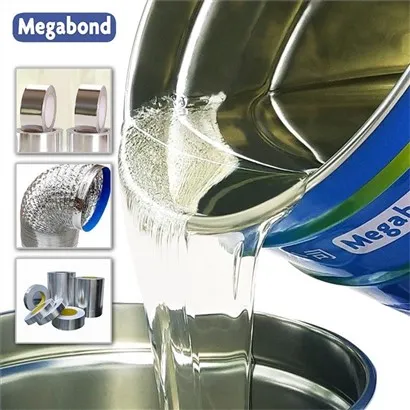
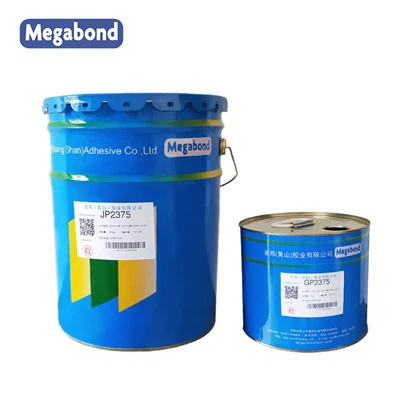
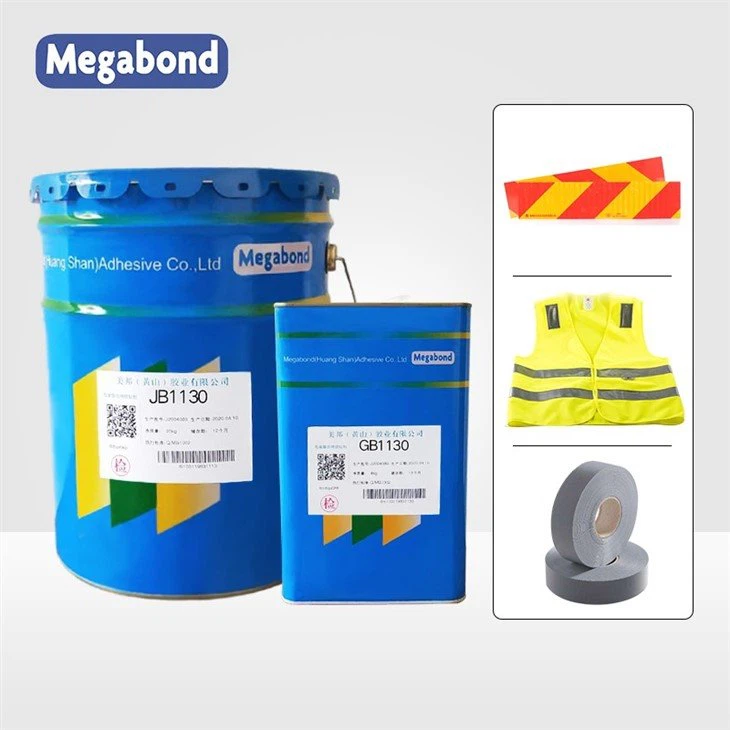
At our company, we offer a range of PVC laminating glues that are formulated to meet the specific needs and requirements of our customers. Our glues are available in different types, such as solvent-based, water-based, and hot-melt, and are suitable for a variety of applications. We also offer Solvent-based Reflective Beads Laminating Adhesive, Solvent-based AL Copper Material Laminating Adhesive, and Solvent-based DMD Insulation Laminating Adhesive, which are designed for specific applications in the reflective beads, AL copper material, and DMD insulation industries.
Our solvent-based PVC laminating glues are formulated with low-flash-point solvents to ensure fast drying and high adhesion strength. However, we also offer water-based PVC laminating glues that are non-flammable and environmentally friendly. These glues are ideal for applications where safety and environmental concerns are a priority.
Conclusion
In conclusion, the flammability of PVC laminating glue depends on several factors, including the type of solvents used, the concentration of solvents, the presence of additives and fillers, and the application method. To ensure the safe handling and use of PVC laminating glue, it is important to follow some basic safety precautions, such as storing the glue in a cool, dry, and well-ventilated area, wearing appropriate PPE, and avoiding spraying or brushing the glue near sources of heat, flame, or sparks.
If you have any questions or concerns about the flammability of our PVC laminating glues or need more information about our products, please do not hesitate to contact us. We are always happy to assist you and provide you with the best solutions for your adhesive needs. Whether you are in the furniture manufacturing, interior decoration, packaging, or automotive upholstery industry, we have the right PVC laminating glue for you. Contact us today to start a procurement discussion and find the perfect adhesive for your project.
References
- "Flammable and Combustible Liquids Code," National Fire Protection Association (NFPA), 2020.
- "Safety Data Sheets for PVC Laminating Glue," Various Manufacturers, 2023.
- "Adhesive Technology Handbook," Second Edition, Edited by Andrew Pizzi and K. L. Mittal, CRC Press, 2003.