

Can acrylic laminating adhesive be used for laminating ID cards? This is a question that often arises in the field of document protection and identification card manufacturing. As a supplier of acrylic laminating adhesive, I'm here to provide a comprehensive analysis of this topic.
Understanding Acrylic Laminating Adhesive
Acrylic laminating adhesives are known for their versatility and wide range of applications. These adhesives are formulated with acrylic polymers, which offer several desirable properties. They typically have good adhesion to various substrates, including plastics, paper, and metals. Acrylic adhesives are also known for their clarity, which is essential when laminating items where visibility of the underlying material is crucial.
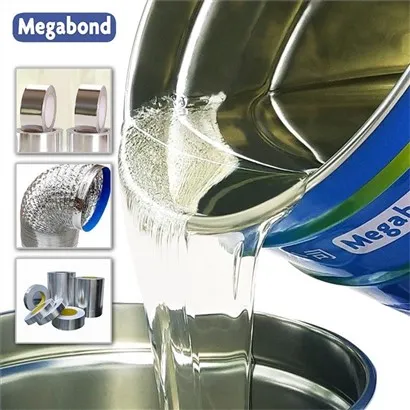
One of the key advantages of acrylic laminating adhesives is their environmental friendliness. Many acrylic adhesives are water - based, such as our Water - based Acrylic Laminating Adhesive. Water - based acrylic adhesives emit fewer volatile organic compounds (VOCs) compared to solvent - based adhesives, making them a more sustainable choice. They are also easy to clean up with water, reducing the need for harsh chemicals during the manufacturing process.
Requirements for ID Card Lamination
ID cards are important documents that require high - quality lamination to ensure their durability and security. The lamination process for ID cards serves several purposes. Firstly, it protects the card from physical damage, such as scratches, abrasions, and tears. Secondly, it helps to prevent the card from being tampered with, as a good lamination can make it difficult to alter the information on the card.
In addition to protection and security, ID card lamination must also maintain the clarity of the card's information. The text, images, and barcodes on the card need to be clearly visible through the laminated layer. Moreover, the lamination should be able to withstand a certain range of environmental conditions, including temperature and humidity changes, without delaminating or losing its adhesive properties.
Suitability of Acrylic Laminating Adhesive for ID Card Lamination
Adhesion
Acrylic laminating adhesives generally have good adhesion to the materials commonly used in ID cards, such as polycarbonate, PVC, and paper. The acrylic polymers in the adhesive can form strong bonds with these substrates, ensuring that the laminated layers stay together over time. This is important for the long - term durability of the ID card, as a weak adhesive bond could lead to delamination, which would compromise the card's integrity.
Clarity
As mentioned earlier, clarity is a crucial factor in ID card lamination. Acrylic adhesives are known for their high transparency, which allows for clear visibility of the card's information. This is especially important for ID cards, where the accurate reading of text, photos, and barcodes is essential. Unlike some other adhesives that may yellow or become cloudy over time, acrylic adhesives tend to maintain their clarity, even when exposed to light and environmental factors.
Chemical Resistance
ID cards may come into contact with various chemicals, such as cleaning agents, sweat, and cosmetics. Acrylic laminating adhesives offer good chemical resistance, which helps to protect the card from damage caused by these substances. This resistance ensures that the adhesive bond remains intact and the card's appearance is not affected by chemical exposure.
Environmental Resistance
ID cards are used in a variety of environments, from indoor offices to outdoor settings. Acrylic laminating adhesives can withstand a wide range of temperatures and humidity levels. They are less likely to become brittle in cold temperatures or soften in hot and humid conditions, which helps to maintain the integrity of the laminated card.
Potential Challenges
While acrylic laminating adhesives have many advantages for ID card lamination, there are also some potential challenges that need to be considered.
Curing Time
The curing time of acrylic adhesives can vary depending on the formulation. In some cases, a longer curing time may be required to achieve the optimal adhesive strength. This can slow down the ID card manufacturing process, especially in high - volume production environments. However, advances in adhesive technology have led to the development of fast - curing acrylic adhesives that can significantly reduce the production time.
Compatibility with Printing Inks
The printing inks used on ID cards may not be fully compatible with all acrylic adhesives. Some inks may react with the adhesive, causing discoloration or other visual defects. It is important to conduct compatibility tests between the adhesive and the printing inks before large - scale production to ensure that the final product meets the quality standards.
Quality Control and Testing
To ensure the suitability of acrylic laminating adhesive for ID card lamination, rigorous quality control and testing procedures are necessary. These tests may include adhesion strength tests, clarity tests, chemical resistance tests, and environmental durability tests.
Adhesion strength tests measure the force required to separate the laminated layers. This helps to determine if the adhesive bond is strong enough to withstand normal wear and tear. Clarity tests assess the transparency of the laminated card and check for any visual defects, such as cloudiness or discoloration. Chemical resistance tests expose the laminated card to various chemicals to evaluate its resistance to damage. Environmental durability tests simulate different environmental conditions, such as high temperature, low temperature, and high humidity, to determine how the laminated card performs over time.
Conclusion
In conclusion, acrylic laminating adhesive can be a suitable choice for laminating ID cards. Its good adhesion, clarity, chemical resistance, and environmental resistance make it well - suited for the requirements of ID card lamination. However, it is important to address the potential challenges, such as curing time and compatibility with printing inks, through proper formulation and quality control measures.


As a supplier of acrylic laminating adhesive, we are committed to providing high - quality products that meet the specific needs of the ID card manufacturing industry. Our Water - based Acrylic Laminating Adhesive offers excellent performance in terms of adhesion, clarity, and environmental friendliness.
If you are involved in the ID card manufacturing process and are interested in exploring the use of acrylic laminating adhesive, we invite you to contact us for more information and to discuss your specific requirements. We are eager to work with you to find the best adhesive solution for your ID card lamination needs.
References
- "Handbook of Adhesive Technology", Second Edition, edited by Andrew Pizzi and K. L. Mittal.
- "Adhesive Bonding: Science, Technology, and Applications", by A. V. Pocius.
- Industry reports on ID card manufacturing and laminating adhesives.