

As a supplier of solvent-based lamination adhesives, I often encounter inquiries regarding the UV resistance of our products. This topic is crucial for many industries, especially those involved in packaging and labeling, where exposure to sunlight and other UV sources can significantly impact the performance and durability of laminated materials. In this blog post, I will delve into the science behind UV resistance in solvent-based lamination adhesives, discuss the factors that affect it, and provide insights into how our products measure up in this regard.
Understanding UV Resistance
UV resistance refers to a material's ability to withstand the damaging effects of ultraviolet (UV) radiation. UV radiation is a part of the electromagnetic spectrum with wavelengths shorter than visible light. It is present in sunlight and can also be emitted by artificial sources such as UV lamps. When materials are exposed to UV radiation, it can cause a variety of problems, including discoloration, degradation, and loss of adhesion.
In the context of solvent-based lamination adhesives, UV resistance is important because it determines how well the adhesive will hold up over time when exposed to sunlight or other UV sources. If an adhesive lacks sufficient UV resistance, it may start to break down, leading to delamination, reduced bond strength, and other issues. This can be particularly problematic for applications where the laminated materials are exposed to outdoor conditions or are used in products that are stored in areas with high UV exposure.
Factors Affecting UV Resistance in Solvent-Based Lamination Adhesives
Several factors can affect the UV resistance of solvent-based lamination adhesives. These include the chemical composition of the adhesive, the presence of additives, and the thickness of the adhesive layer.
Chemical Composition
The chemical composition of the adhesive is one of the most important factors affecting its UV resistance. Different types of polymers and resins have different levels of UV resistance. For example, some polymers are more resistant to UV degradation than others due to their chemical structure. Adhesives based on polyurethane, for instance, generally have good UV resistance compared to other types of adhesives.
Additives
Additives can also play a significant role in improving the UV resistance of solvent-based lamination adhesives. UV stabilizers are commonly used additives that can help protect the adhesive from the damaging effects of UV radiation. These stabilizers work by absorbing or dissipating UV energy, preventing it from causing damage to the adhesive. Other additives, such as antioxidants, can also help to improve the UV resistance of the adhesive by preventing oxidation and degradation.
Adhesive Layer Thickness
The thickness of the adhesive layer can also affect its UV resistance. A thicker adhesive layer may provide more protection against UV radiation compared to a thinner layer. However, it is important to note that increasing the adhesive layer thickness may also have other implications, such as increased cost and longer drying times.
Our Solvent-Based Lamination Adhesives and UV Resistance
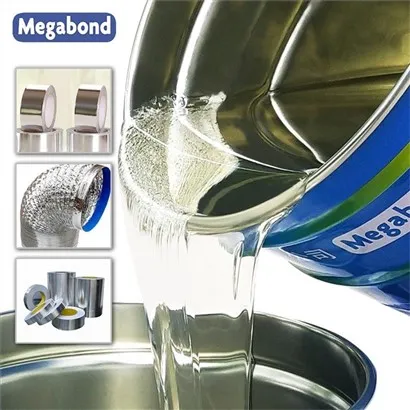
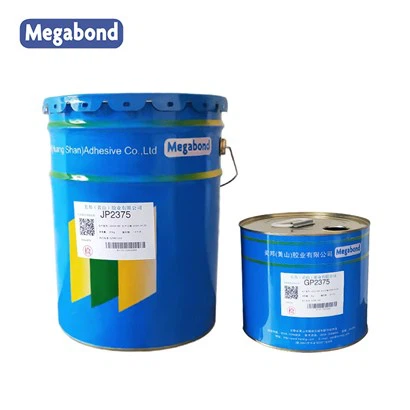
At our company, we offer a range of solvent-based lamination adhesives that are designed to provide excellent UV resistance. Our Solvent-based MET Plastic Film Laminating Adhesive is formulated with high-quality polymers and additives to ensure long-lasting performance even in challenging UV environments. This adhesive is suitable for laminating metalized plastic films, providing a strong and durable bond that resists delamination and discoloration.
Another product in our portfolio is the Solvent-based 121℃ Anti-Steaming Laminating Adhesive. This adhesive is specifically designed for applications that require high-temperature resistance and anti-steaming properties. In addition to its excellent heat and steam resistance, it also offers good UV resistance, making it suitable for a wide range of packaging applications.
Our Solvent-based MET Plastic Film Laminating Adhesive is another option for customers looking for a solvent-based adhesive with good UV resistance. This adhesive is formulated to provide a strong bond between metalized plastic films, ensuring that the laminated materials maintain their integrity and appearance over time.
Testing and Certification
To ensure the quality and performance of our solvent-based lamination adhesives, we conduct rigorous testing to evaluate their UV resistance. Our testing methods include exposing the adhesives to simulated UV radiation in a controlled environment and monitoring their performance over time. We also perform real-world testing to ensure that our adhesives meet the requirements of our customers in various applications.
In addition to our in-house testing, our products are also certified to meet industry standards for UV resistance. This certification provides our customers with confidence that our adhesives will perform as expected in their applications.
Conclusion
In conclusion, UV resistance is an important consideration when choosing a solvent-based lamination adhesive. At our company, we understand the importance of providing adhesives that offer excellent UV resistance to ensure the long-term performance and durability of laminated materials. Our range of solvent-based lamination adhesives, including the Solvent-based MET Plastic Film Laminating Adhesive, Solvent-based 121℃ Anti-Steaming Laminating Adhesive, and Solvent-based MET Plastic Film Laminating Adhesive, are formulated with high-quality polymers and additives to provide excellent UV resistance.


If you are in the market for a solvent-based lamination adhesive with good UV resistance, we invite you to contact us to discuss your specific requirements. Our team of experts is ready to assist you in choosing the right adhesive for your application and to provide you with the support and guidance you need to ensure the success of your project.
References
- ASTM International. (Year). Standard test methods for evaluating the UV resistance of adhesives.
- European Committee for Standardization. (Year). EN standards for UV resistance of packaging adhesives.