

Can acrylic laminating adhesive be used for laminating maps? This is a question that many map makers, archivists, and enthusiasts often ponder. As a supplier of acrylic laminating adhesives, I am well - versed in the properties and applications of these products, and I'm here to provide a comprehensive answer.
Understanding Acrylic Laminating Adhesives
Acrylic laminating adhesives are a type of adhesive known for their versatility and wide range of applications. They are typically water - based, which makes them an environmentally friendly option compared to some solvent - based adhesives. These adhesives form a strong bond between two or more layers of materials, providing protection and enhancing the durability of the laminated item.
One of the key advantages of acrylic laminating adhesives is their clarity. When cured, they leave a clear, transparent film that does not yellow over time. This is crucial for applications where the appearance of the laminated item is important, such as maps. The clarity ensures that the details on the map remain visible and sharp, without any distortion or discoloration.
Another important property of acrylic laminating adhesives is their flexibility. They can conform to the shape of the map, whether it is flat or has some curvature. This flexibility helps to prevent the map from cracking or peeling at the edges, which is a common problem with more rigid adhesives.
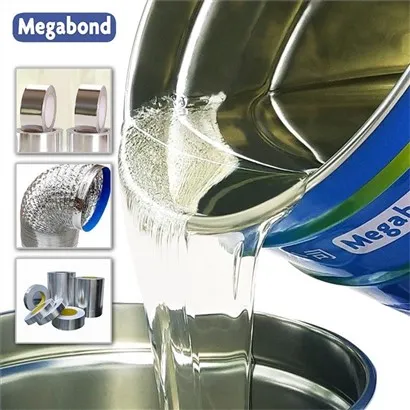
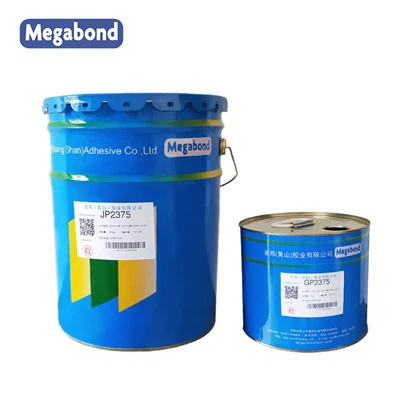
The Water - based Acrylic Laminating Adhesive we supply is formulated to offer excellent adhesion, clarity, and flexibility. It has been tested under various conditions to ensure its performance in different applications.
Advantages of Using Acrylic Laminating Adhesives for Maps
Protection
Maps are often handled frequently, exposed to light, moisture, and other environmental factors. Acrylic laminating adhesives provide a protective layer that shields the map from these elements. The adhesive forms a barrier that prevents water, dirt, and dust from reaching the map surface, which can extend the lifespan of the map significantly.
For example, in a museum or library setting, where maps are on display for long periods, acrylic lamination can protect the maps from fading due to UV light. The adhesive can block a significant portion of UV rays, preserving the colors and details of the map.
Durability
As mentioned earlier, the flexibility of acrylic laminating adhesives helps to prevent the map from cracking or peeling. This is especially important for maps that are rolled up or folded regularly. The adhesive can withstand the stress of these movements without losing its bond, ensuring that the map remains intact.
In addition, acrylic laminating adhesives are resistant to wear and tear. They can withstand the friction of being handled, as well as the abrasion that may occur during transportation or storage. This makes them an ideal choice for maps that are used in outdoor or industrial settings.
Ease of Application
Acrylic laminating adhesives are relatively easy to apply. They can be applied using a variety of methods, such as brush, roller, or spray. This makes them suitable for both small - scale and large - scale map laminating projects.


For DIY map makers or small businesses, the ease of application means that they can laminate maps in - house without the need for expensive equipment or professional training. Larger map production facilities can also benefit from the simplicity of the application process, as it can increase production efficiency.
Considerations when Using Acrylic Laminating Adhesives for Maps
Compatibility with Map Materials
Before using an acrylic laminating adhesive on a map, it is important to consider the compatibility of the adhesive with the map material. Different maps may be printed on various types of paper, fabric, or synthetic materials. Some adhesives may not bond well with certain materials, or they may cause damage to the map.
For example, if the map is printed on a delicate paper, the adhesive may soak through the paper and cause it to wrinkle or distort. In such cases, it is necessary to test the adhesive on a small, inconspicuous area of the map first to ensure compatibility.
Drying Time
The drying time of acrylic laminating adhesives can vary depending on the formulation and the application conditions. In general, water - based acrylic adhesives take longer to dry compared to solvent - based adhesives. This can be a drawback if you need to laminate a large number of maps quickly.
However, some acrylic laminating adhesives are formulated to have a faster drying time. It is important to choose an adhesive that meets your specific needs in terms of drying time, especially if you are working on a tight schedule.
Temperature and Humidity
The performance of acrylic laminating adhesives can be affected by temperature and humidity. High humidity can slow down the drying process, while extreme temperatures can affect the adhesion strength of the adhesive.
It is recommended to apply the adhesive in a controlled environment with moderate temperature and humidity. This will ensure that the adhesive dries properly and forms a strong bond with the map.
Case Studies
Museum Map Preservation
A local museum was facing the challenge of preserving a collection of antique maps. The maps were printed on fragile paper and were showing signs of fading and damage due to exposure to light and handling. They decided to use our acrylic laminating adhesive to protect the maps.
After the lamination process, the maps were protected from further damage. The clarity of the adhesive allowed the details of the maps to be clearly visible, and the flexibility of the adhesive ensured that the maps could be displayed without cracking or peeling. The museum was very satisfied with the results and has since used our adhesive for other map preservation projects.
Outdoor Map Application
A construction company needed to laminate large - scale maps for use on construction sites. The maps were exposed to harsh environmental conditions, including rain, dust, and sunlight. They chose our acrylic laminating adhesive for its durability and protection properties.
The laminated maps were able to withstand the rough handling and the environmental exposure. The adhesive provided a strong bond that kept the maps intact, and the protective layer prevented the maps from getting damaged. The construction company was able to use the maps throughout the project without any issues.
Conclusion
In conclusion, acrylic laminating adhesives can be an excellent choice for laminating maps. They offer a range of benefits, including protection, durability, and ease of application. However, it is important to consider the compatibility with map materials, drying time, and environmental conditions when using these adhesives.
If you are involved in map making, preservation, or any related field, and you are looking for a reliable acrylic laminating adhesive, we are here to help. Our Water - based Acrylic Laminating Adhesive is a high - quality product that has been proven to work well in map laminating applications.
We invite you to contact us to discuss your specific needs and to learn more about our products. Whether you are a small - scale map maker or a large - scale map production facility, we can provide you with the right adhesive solution for your map laminating projects.
References
- "Adhesive Technology Handbook", Third Edition, by John A. Dorsey
- "The Chemistry and Technology of Coatings", by Zeno W. Wicks Jr., Frank N. Jones, and S. Peter Pappas