

Can film lamination adhesive be used on fabrics?
As a supplier of film lamination adhesive, I often receive inquiries from customers about the versatility of our products. One of the most common questions is whether film lamination adhesive can be used on fabrics. In this blog post, I will delve into this topic, exploring the feasibility, benefits, and considerations of using film lamination adhesive on fabrics.
Feasibility of Using Film Lamination Adhesive on Fabrics
The short answer is yes, film lamination adhesive can be used on fabrics. However, the success of the application depends on several factors, including the type of adhesive, the fabric material, and the intended use of the laminated fabric.
There are different types of film lamination adhesives available in the market, each with its own unique properties and characteristics. Some adhesives are designed specifically for use with plastics and films, while others are more versatile and can be used on a variety of substrates, including fabrics. When choosing an adhesive for fabric lamination, it is important to select one that is compatible with the fabric material and provides the desired level of adhesion and durability.
Fabric materials vary widely in terms of their composition, texture, and surface properties. Some fabrics, such as cotton and polyester, are relatively easy to bond with adhesive, while others, such as nylon and spandex, may require special treatment or a different type of adhesive. It is important to test the adhesive on a small sample of the fabric before applying it to the entire surface to ensure that it adheres properly and does not cause any damage or discoloration.
The intended use of the laminated fabric also plays a role in determining the suitability of film lamination adhesive. For example, if the fabric is going to be used in a high-stress application, such as outdoor clothing or industrial equipment, it may require a stronger and more durable adhesive. On the other hand, if the fabric is going to be used in a decorative or low-stress application, such as upholstery or wall coverings, a less strong adhesive may be sufficient.
Benefits of Using Film Lamination Adhesive on Fabrics
Using film lamination adhesive on fabrics offers several benefits, including:
- Enhanced durability: Laminating a fabric with a film can provide additional protection against wear and tear, making it more durable and long-lasting.
- Improved water resistance: A laminated fabric can be more resistant to water and moisture, making it suitable for use in outdoor or wet environments.
- Enhanced aesthetics: Laminating a fabric with a film can give it a smooth, glossy finish, enhancing its appearance and making it more visually appealing.
- Increased functionality: Depending on the type of film used, a laminated fabric can have additional functionality, such as UV protection, anti-static properties, or flame retardancy.
- Customization: Film lamination adhesive allows for a high degree of customization, as different types of films can be used to achieve different effects and properties.
Considerations When Using Film Lamination Adhesive on Fabrics
While using film lamination adhesive on fabrics can offer many benefits, there are also some considerations to keep in mind:
- Adhesive compatibility: As mentioned earlier, it is important to choose an adhesive that is compatible with the fabric material and provides the desired level of adhesion and durability.
- Fabric shrinkage: Some fabrics may shrink or stretch when exposed to heat or moisture, which can affect the adhesion of the film. It is important to test the fabric for shrinkage before laminating it and to take appropriate measures to prevent or minimize shrinkage.
- Breathability: Laminating a fabric with a film can reduce its breathability, which may be a concern for some applications, such as clothing or bedding. It is important to choose a film that allows for some degree of breathability or to use a perforated film to improve ventilation.
- Environmental impact: Some film lamination adhesives may contain solvents or other chemicals that can be harmful to the environment. It is important to choose an adhesive that is environmentally friendly and to follow proper disposal procedures.
- Cost: Using film lamination adhesive on fabrics can be more expensive than other methods of fabric treatment, such as coating or printing. It is important to consider the cost-benefit ratio when deciding whether to use film lamination adhesive on a particular fabric.
Our Film Lamination Adhesive Products
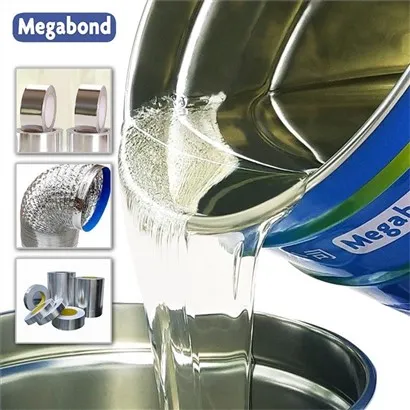
As a supplier of film lamination adhesive, we offer a wide range of products that are suitable for use on fabrics. Our products include Solvent-based Low Cost Laminating Adhesive and Solvent-based MET Plastic Film Laminating Adhesive Solvent-based MET Plastic Film Laminating Adhesive, which are designed to provide strong adhesion and durability on a variety of substrates, including fabrics.
Our solvent-based adhesives are formulated with high-quality raw materials and advanced technology to ensure consistent performance and reliability. They are easy to apply and can be used with a variety of lamination processes, including hot melt, solvent-based, and water-based lamination.
In addition to our standard products, we also offer custom adhesive formulations to meet the specific needs of our customers. Our team of experts can work with you to develop an adhesive that is tailored to your application and provides the desired level of adhesion, durability, and performance.


Contact Us for More Information
If you are interested in using film lamination adhesive on fabrics or have any questions about our products, please contact us. Our team of experts will be happy to provide you with more information and help you choose the right adhesive for your application. We can also provide samples and technical support to help you get started.
Don't hesitate to reach out to us to discuss your specific requirements and explore the possibilities of using our film lamination adhesive on your fabrics. We look forward to working with you to achieve your goals.
References
- ASTM International. (2023). Standard Test Methods for Peel Resistance of Adhesives (T-Peel Test). ASTM D1876-08(2019).
- ISO. (2023). Adhesives - Determination of Tensile Lap-Shear Strength of Rigid-to-Rigid Bonded Assemblies. ISO 4587:2003.
- Peel, A. (2019). Adhesive Bonding: Science, Technology, and Applications. CRC Press.