

In the world of industrial manufacturing and material processing, the question of whether film lamination adhesive can be used on composite materials is a topic of significant interest. As a supplier of film lamination adhesives, I've encountered numerous inquiries regarding the compatibility and effectiveness of our products on composite materials. In this blog, I aim to delve into this subject, exploring the technical aspects, potential applications, and limitations of using film lamination adhesive on composite materials.
Understanding Film Lamination Adhesives
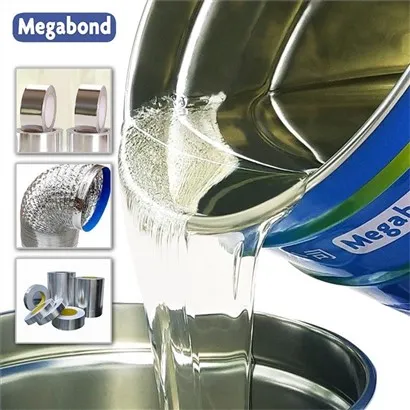
Film lamination adhesives are substances designed to bond two or more layers of materials together, typically a film to a substrate. These adhesives come in various types, including solvent-based, water-based, and solventless formulations, each with its own set of properties and characteristics. Solvent-based adhesives, for instance, offer excellent adhesion strength and resistance to heat and chemicals, making them suitable for a wide range of applications.
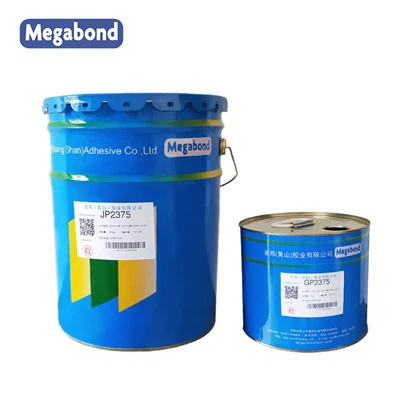
Our company offers a variety of high-quality film lamination adhesives, such as the Solvent-based 121℃ Anti-Steaming Laminating Adhesive, Solvent Based 135℃ Anti-Retorting Laminating Adhesive, and Solvent-based Polyurethane Laminating Adhesive. These products are formulated to provide strong and durable bonds, ensuring the integrity of the laminated materials under various conditions.
Composite Materials: A Brief Overview
Composite materials are engineered materials made from two or more constituent materials with significantly different physical or chemical properties. When combined, these materials create a new material with properties that are superior to those of the individual components. Common examples of composite materials include fiberglass, carbon fiber composites, and wood-plastic composites.
Composite materials are widely used in various industries, such as aerospace, automotive, construction, and packaging, due to their high strength-to-weight ratio, corrosion resistance, and design flexibility. However, the surface properties of composite materials can vary greatly depending on the type of constituents and the manufacturing process, which can pose challenges when it comes to bonding them with film lamination adhesives.
Compatibility of Film Lamination Adhesives with Composite Materials
The compatibility of film lamination adhesives with composite materials depends on several factors, including the surface energy of the composite, the chemical composition of the adhesive, and the bonding conditions.
Surface Energy
The surface energy of a material determines its ability to wet and adhere to another surface. Composite materials with low surface energy, such as those made from polyolefins or fluoropolymers, can be difficult to bond with adhesives. To improve adhesion, these surfaces may need to be treated with primers, plasma, or corona treatment to increase their surface energy.
Chemical Composition
The chemical composition of the adhesive must be compatible with the composite material to ensure a strong bond. For example, adhesives that are reactive with the functional groups on the composite surface can form covalent bonds, which are stronger and more durable than physical bonds. Solvent-based polyurethane adhesives, for instance, are known for their excellent adhesion to a wide range of materials, including many composite materials, due to their ability to react with polar groups on the surface.
Bonding Conditions
The bonding conditions, such as temperature, pressure, and curing time, also play a crucial role in the adhesion process. Higher temperatures can accelerate the curing of the adhesive and improve the wetting of the composite surface, but they may also cause damage to the composite material if not carefully controlled. Similarly, applying the right amount of pressure during bonding can help to ensure good contact between the adhesive and the composite surface, which is essential for a strong bond.
Potential Applications of Film Lamination Adhesives on Composite Materials
Despite the challenges, there are several potential applications of film lamination adhesives on composite materials.
Packaging
In the packaging industry, film lamination adhesives can be used to bond films to composite materials, such as paperboard or corrugated board, to improve the barrier properties, printability, and aesthetic appeal of the packaging. Our Solvent-based Polyurethane Laminating Adhesive is suitable for this application, providing a strong and durable bond that can withstand the rigors of the packaging process and storage.
Automotive
In the automotive industry, film lamination adhesives can be used to bond films to composite interior trim panels, such as door panels or dashboard components, to enhance the appearance and durability of the interior. The high strength and flexibility of the adhesives can help to ensure that the films remain securely bonded to the composite surface, even under vibration and temperature changes.


Construction
In the construction industry, film lamination adhesives can be used to bond films to composite building materials, such as siding or roofing panels, to improve their weather resistance and aesthetic appeal. The ability of the adhesives to withstand environmental factors, such as UV radiation and moisture, is essential for ensuring the long-term performance of the laminated composite materials.
Limitations and Challenges
While film lamination adhesives can be used on composite materials in many applications, there are also some limitations and challenges that need to be considered.
Environmental Impact
Solvent-based adhesives, in particular, can have a significant environmental impact due to the release of volatile organic compounds (VOCs) during the curing process. To address this issue, there is a growing trend towards the use of water-based and solventless adhesives, which have lower VOC emissions.
Cost
The cost of film lamination adhesives can be a significant factor, especially for large-scale applications. In some cases, the cost of surface treatment or special adhesives required to bond with composite materials may make the process economically unfeasible.
Durability
The long-term durability of the bond between the film and the composite material can be affected by factors such as aging, exposure to chemicals, and mechanical stress. Ensuring the durability of the bond requires careful selection of the adhesive and proper testing under real-world conditions.
Conclusion
In conclusion, while there are challenges associated with using film lamination adhesives on composite materials, it is possible to achieve strong and durable bonds with the right combination of adhesive, surface treatment, and bonding conditions. Our company, as a leading supplier of film lamination adhesives, is committed to providing high-quality products and technical support to help our customers overcome these challenges and achieve successful bonding on composite materials.
If you are interested in using our film lamination adhesives on composite materials or have any questions about our products, please feel free to contact us. We look forward to discussing your specific needs and working with you to find the best solution for your application.
References
- Mittal, K. L. (Ed.). (2010). Adhesion Science and Engineering: Surfaces, Chemistry, and Applications. Elsevier.
- Peel, L. (2006). Handbook of Adhesives and Sealants. McGraw-Hill.
- Wake, W. C. (1982). Adhesion and the Formulation of Adhesives. Applied Science Publishers.