

Hey there! As a supplier of Polyurethane laminating adhesive, I often get asked if it can be mixed with other adhesives. It's a valid question, and one that deserves a detailed answer. So, let's dive right in and explore this topic together.


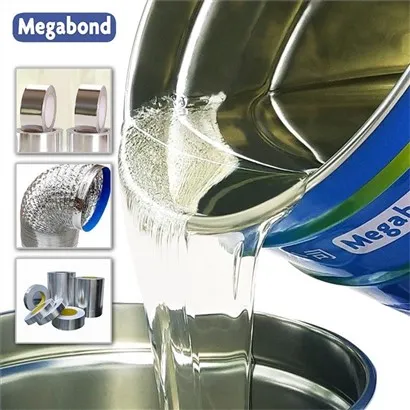
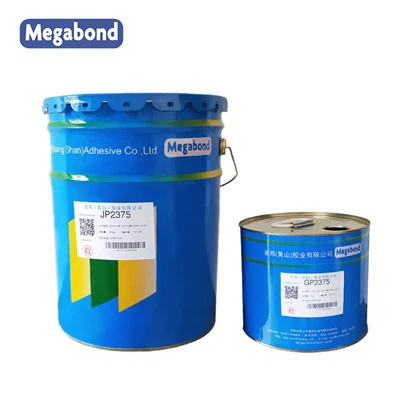
First off, what exactly is Polyurethane laminating adhesive? Well, it's a type of adhesive that's commonly used in the packaging industry for laminating different materials together. It offers excellent bonding strength, flexibility, and resistance to heat, chemicals, and moisture. There are different types of Polyurethane laminating adhesives available, such as Solvent-based Polyurethane Laminating Adhesive, Solvent-based AL-plating Film Laminating Adhesive, and Solvent-based 121℃ Anti-Steaming Laminating Adhesive. Each type has its own unique properties and is suitable for specific applications.
Now, let's talk about mixing Polyurethane laminating adhesive with other adhesives. In general, it's not recommended to mix different types of adhesives without proper testing and consultation. Here's why:
Compatibility issues
Different adhesives have different chemical compositions, curing mechanisms, and physical properties. When you mix two or more adhesives, there's a risk of chemical reactions occurring between them. These reactions can lead to changes in the adhesive's properties, such as reduced bonding strength, increased viscosity, or even complete failure of the bond. For example, some adhesives may be incompatible with certain solvents or additives used in Polyurethane laminating adhesives. Mixing them could result in phase separation, where the two adhesives don't blend properly and form distinct layers. This can weaken the bond and cause delamination over time.
Performance degradation
Even if the adhesives are chemically compatible, mixing them can still affect the overall performance of the adhesive system. Each adhesive is formulated to provide specific properties and performance characteristics. When you mix them, you may end up diluting or altering these properties, resulting in a less effective adhesive. For instance, if you mix a high-strength Polyurethane laminating adhesive with a lower-strength adhesive, the overall bonding strength of the mixture may be reduced. This can be a problem, especially in applications where high bonding strength is critical, such as in food packaging or industrial laminates.
Safety concerns
Mixing adhesives can also pose safety risks. Some adhesives may contain hazardous chemicals, such as solvents, isocyanates, or heavy metals. When you mix them, you may increase the concentration of these chemicals or create new chemical compounds that are even more hazardous. This can be a health risk to workers handling the adhesive and can also have environmental implications. For example, some solvents used in adhesives are volatile organic compounds (VOCs), which can contribute to air pollution and have negative health effects. Mixing adhesives with different VOC contents can increase the overall VOC emissions and make it more difficult to comply with environmental regulations.
However, there are some cases where mixing adhesives may be possible and beneficial. Here are a few examples:
Customizing properties
In some situations, you may need to customize the properties of the adhesive to meet specific requirements. For example, you may want to adjust the viscosity, curing time, or flexibility of the adhesive. In these cases, you can consult with an adhesive manufacturer or a technical expert to determine if it's possible to mix a small amount of another adhesive or additive with the Polyurethane laminating adhesive to achieve the desired properties. They can provide guidance on the appropriate ratios and mixing procedures to ensure compatibility and optimal performance.
Blending for cost savings
Another reason for mixing adhesives could be to reduce costs. If you have a high-cost Polyurethane laminating adhesive and a lower-cost adhesive that has some similar properties, you may be able to mix them in a certain ratio to achieve a cost-effective solution. However, it's important to note that cost savings should not come at the expense of performance. You need to carefully evaluate the performance of the mixed adhesive to ensure that it meets the required quality standards.
Emergency situations
In some emergency situations, such as when you run out of a specific adhesive and need to make a quick fix, you may consider mixing adhesives as a temporary solution. However, this should only be done as a last resort and with caution. You need to be aware of the potential risks and limitations of the mixed adhesive and plan to replace it with the correct adhesive as soon as possible.
So, what should you do if you're considering mixing Polyurethane laminating adhesive with other adhesives? Here are some steps to follow:
Consult with an expert
Before you attempt to mix adhesives, it's important to consult with an adhesive manufacturer or a technical expert. They have the knowledge and experience to evaluate the compatibility of the adhesives and can provide guidance on the appropriate mixing procedures. They can also help you determine if there are any alternative solutions that can achieve the same results without the need for mixing.
Conduct compatibility testing
Once you've received guidance from an expert, you should conduct compatibility testing on a small scale. This involves mixing the adhesives in different ratios and testing the resulting mixture for bonding strength, viscosity, curing time, and other relevant properties. You can use standard testing methods or consult with a testing laboratory to ensure accurate and reliable results. Based on the test results, you can determine if the mixed adhesive is suitable for your application.
Follow proper mixing procedures
If the compatibility testing shows that the adhesives are compatible and the mixed adhesive meets your requirements, you need to follow proper mixing procedures. This includes using the correct ratios, mixing the adhesives thoroughly, and allowing sufficient time for the mixture to cure. You should also follow all safety precautions, such as wearing appropriate personal protective equipment (PPE) and working in a well-ventilated area.
In conclusion, while it's possible to mix Polyurethane laminating adhesive with other adhesives in some cases, it's generally not recommended without proper testing and consultation. Mixing adhesives can lead to compatibility issues, performance degradation, and safety concerns. However, if you have a specific need to customize the properties of the adhesive or reduce costs, you can consult with an expert and conduct compatibility testing to determine if it's a viable option. Remember, the key is to ensure that the mixed adhesive meets the required quality standards and performance requirements.
If you're interested in learning more about Polyurethane laminating adhesives or have any questions about their use, feel free to reach out to us. We're a leading supplier of high-quality Polyurethane laminating adhesives and can provide you with the information and support you need. Whether you're in the food packaging industry, the automotive industry, or any other industry that requires reliable laminating solutions, we've got you covered. Contact us today to start a conversation about your adhesive needs and explore the possibilities of working together.
References
- Adhesive Handbook, Third Edition, edited by Skeist, I.
- Handbook of Adhesive Technology, Second Edition, edited by Pizzi, A. and Mittal, K. L.
- Polyurethane Handbook, Third Edition, edited by Oertel, G.