

As a supplier of film lamination adhesive, I often encounter various inquiries from customers regarding the compatibility and application scope of our products. One question that has come up quite frequently is whether film lamination adhesive can be used on fiberglass. In this blog post, I'll delve into this topic, exploring the technical aspects, potential applications, and considerations when using film lamination adhesive on fiberglass.


Understanding Film Lamination Adhesive
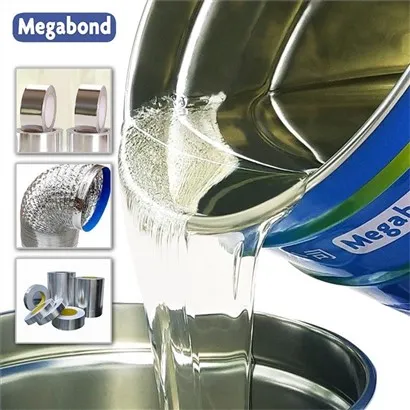
Before we discuss its use on fiberglass, let's briefly understand what film lamination adhesive is. Film lamination adhesives are substances designed to bond different types of films together or to other substrates. They come in various formulations, including solvent - based, water - based, and hot - melt adhesives. Each type has its own set of properties such as bonding strength, flexibility, heat resistance, and chemical resistance.
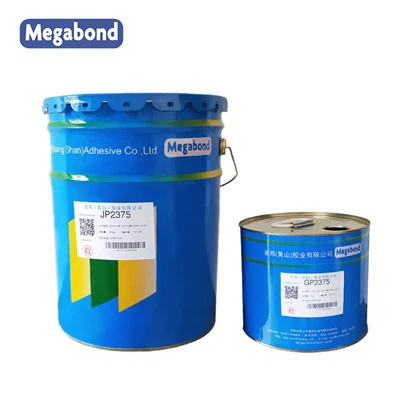
Our company offers a range of high - quality film lamination adhesives, including Solvent - based MET Plastic Film Laminating Adhesive, Solvent - based 135℃ Anti - Steaming Laminating Adhesive, and Solvent - based 121℃ Anti - Steaming Laminating Adhesive. These adhesives are known for their excellent bonding performance and are widely used in the packaging industry for laminating plastic films.
Fiberglass: Properties and Applications
Fiberglass is a composite material made of fine glass fibers. It has several remarkable properties, such as high strength - to - weight ratio, good heat resistance, electrical insulation, and corrosion resistance. Due to these properties, fiberglass is used in a wide range of applications, including automotive parts, aerospace components, construction materials, and marine products.
The surface of fiberglass can vary depending on its manufacturing process and treatment. It can be smooth or have a certain degree of roughness. The chemical composition of fiberglass also plays a role in its interaction with adhesives. Generally, fiberglass has a relatively inert surface, which may require proper surface treatment to ensure good adhesion.
Can Film Lamination Adhesive Be Used on Fiberglass?
The short answer is yes, film lamination adhesive can be used on fiberglass, but there are several factors to consider.
Compatibility
The first and most crucial factor is the compatibility between the film lamination adhesive and fiberglass. Different adhesives have different chemical compositions, and not all of them will bond well with fiberglass. For example, some adhesives may react with the glass fibers or the sizing agents on the fiberglass surface, leading to poor adhesion or even delamination over time.
Our solvent - based adhesives are formulated to have good chemical compatibility with a variety of substrates. However, before using them on fiberglass, it is recommended to conduct a small - scale test to ensure that there is no adverse reaction between the adhesive and the fiberglass.
Surface Preparation
As mentioned earlier, the surface of fiberglass can be relatively inert. Therefore, proper surface preparation is essential for achieving strong adhesion. This may involve cleaning the fiberglass surface to remove any dirt, oil, or other contaminants. Abrasion can also be used to increase the surface roughness, which provides more surface area for the adhesive to bond to.
In some cases, a primer may be applied to the fiberglass surface before using the film lamination adhesive. The primer can improve the wetting of the adhesive on the fiberglass and enhance the bonding strength.
Bonding Strength
The bonding strength required depends on the specific application. For some applications where the fiberglass is subject to high stress or vibration, a high - strength adhesive is necessary. Our Solvent - based 135℃ Anti - Steaming Laminating Adhesive offers excellent bonding strength and can withstand relatively high temperatures, making it suitable for applications where the bonded parts may be exposed to heat.
Environmental Conditions
The environmental conditions in which the bonded fiberglass will be used also need to be considered. For example, if the bonded parts will be exposed to high humidity, chemicals, or UV radiation, the adhesive must be able to resist these environmental factors. Our anti - steaming adhesives are designed to have good resistance to moisture and steam, which can be beneficial in applications where the fiberglass is used in a humid environment.
Applications of Film Lamination Adhesive on Fiberglass
There are several potential applications where film lamination adhesive can be used on fiberglass:
Decorative Laminates
Fiberglass can be used as a substrate for decorative laminates. By using film lamination adhesive, a decorative film can be bonded to the fiberglass surface, providing an aesthetically pleasing appearance. This can be used in interior design, furniture manufacturing, and automotive interiors.
Electrical Insulation
Fiberglass is widely used for electrical insulation. By laminating a film with good electrical insulation properties onto fiberglass using our film lamination adhesive, the electrical insulation performance can be further enhanced. This can be applied in electrical equipment and wiring systems.
Protective Coatings
A film laminated onto fiberglass using adhesive can act as a protective coating, preventing the fiberglass from being damaged by abrasion, chemicals, or UV radiation. This is useful in outdoor applications such as marine vessels and construction materials.
Considerations for Using Film Lamination Adhesive on Fiberglass
When using film lamination adhesive on fiberglass, the following considerations should be kept in mind:
Application Method
The application method of the adhesive can affect the bonding quality. Different adhesives may require different application methods, such as roll coating, spray coating, or brush coating. It is important to follow the manufacturer's instructions for the correct application method.
Cure Time
The cure time of the adhesive is also important. Some adhesives may require a certain amount of time and temperature to fully cure and achieve their maximum bonding strength. Make sure to allow sufficient cure time before subjecting the bonded parts to stress or load.
Safety
When working with film lamination adhesives, especially solvent - based ones, safety precautions should be taken. Solvent - based adhesives may contain volatile organic compounds (VOCs), which can be harmful if inhaled or come into contact with the skin. Adequate ventilation should be provided during the application process, and personal protective equipment such as gloves and masks should be worn.
Conclusion
In conclusion, film lamination adhesive can be used on fiberglass, but careful consideration of compatibility, surface preparation, bonding strength, and environmental conditions is necessary. Our company's range of film lamination adhesives, including Solvent - based MET Plastic Film Laminating Adhesive, Solvent - based 135℃ Anti - Steaming Laminating Adhesive, and Solvent - based 121℃ Anti - Steaming Laminating Adhesive, offer good potential for use on fiberglass in various applications.
If you are interested in using our film lamination adhesives on fiberglass or have any other questions regarding our products, we invite you to contact us for further discussion and procurement. Our team of experts is ready to provide you with professional advice and support.
References
- "Handbook of Adhesives" by Irving Skeist
- "Fiberglass Reinforced Plastics: Materials, Manufacturing, and Design" by Louis J. Prokopowicz and John M. Whitney