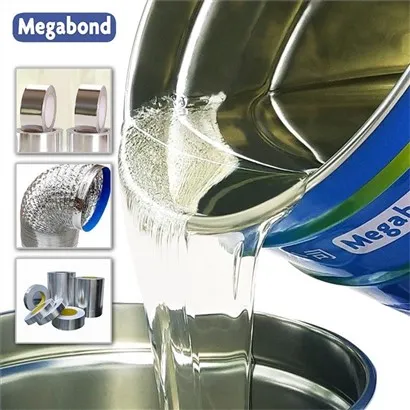


Hey there! As a supplier of Polyurethane Glue laminating glue, I often get asked if our product can be used outdoors. Well, let's dive right into this topic and find out.
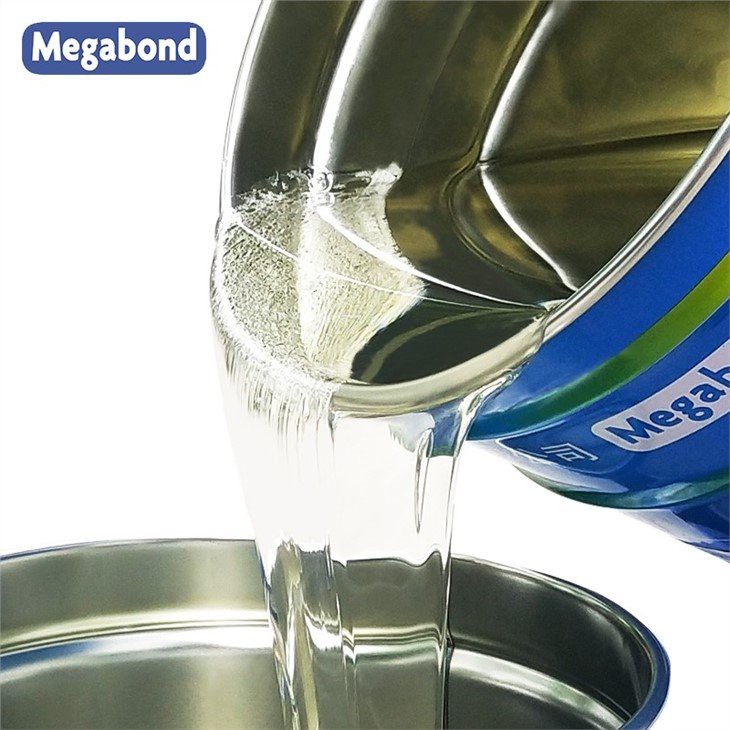

First off, polyurethane laminating glue is a pretty versatile product. It's known for its strong bonding properties and durability. But when it comes to outdoor use, there are a few factors we need to consider.
The Basics of Polyurethane Laminating Glue
Polyurethane laminating glue works by creating a chemical reaction when it comes into contact with moisture. This reaction forms a strong, flexible bond between different materials. It can be used to laminate all sorts of things, like fabrics, plastics, and metals.
One of the great things about this glue is its resistance to water and chemicals. It can withstand a fair amount of exposure to moisture without losing its bonding strength. This makes it a good candidate for some outdoor applications.
Outdoor Conditions and Their Impact
Outdoor environments can be pretty harsh. We've got to deal with things like sunlight, temperature changes, and precipitation. Let's break down how these factors can affect polyurethane laminating glue.
Sunlight
Sunlight contains ultraviolet (UV) rays, which can cause materials to break down over time. Polyurethane laminating glue is no exception. Prolonged exposure to UV rays can cause the glue to become brittle and lose its flexibility. This can lead to the bond weakening and eventually failing.
However, some polyurethane laminating glues are formulated with UV stabilizers. These stabilizers help protect the glue from the damaging effects of sunlight. If you're planning to use the glue outdoors, it's a good idea to look for a product with UV protection.
Temperature Changes
Outdoor temperatures can vary widely, from scorching hot in the summer to freezing cold in the winter. Polyurethane laminating glue can handle a certain range of temperature changes, but extreme fluctuations can be a problem.
When the temperature gets too hot, the glue can soften and become more liquid. This can cause it to lose its shape and potentially flow out of the bonding area. On the other hand, when it gets too cold, the glue can become stiff and brittle, making it more likely to crack.
To ensure the best performance, it's important to follow the manufacturer's recommended temperature range for application and use. If you're working in an area with extreme temperature variations, you might need to take extra precautions, like using insulation or applying the glue during more moderate weather conditions.
Precipitation
Rain, snow, and humidity are all forms of precipitation that can affect the performance of polyurethane laminating glue. While the glue is generally resistant to water, continuous exposure to standing water or high humidity can cause problems.
If the glue gets wet before it has fully cured, it can interfere with the chemical reaction and prevent a strong bond from forming. Even after curing, long-term exposure to water can cause the glue to swell and lose its adhesion.
To protect the glue from precipitation, it's a good idea to apply a protective coating or sealant over the bonded area. This can help keep water out and extend the life of the bond.
Suitable Outdoor Applications
Despite the challenges posed by outdoor conditions, there are still some applications where polyurethane laminating glue can be used effectively.
Marine Applications
In the marine industry, polyurethane laminating glue is commonly used to bond various components of boats and ships. It can withstand the constant exposure to water and the harsh conditions of the ocean. For example, it can be used to laminate fiberglass panels, attach trim pieces, and seal joints.
Outdoor Signage
Polyurethane laminating glue can be used to attach graphics and lettering to outdoor signs. With the right UV protection, it can keep the signs looking good for a long time. It provides a strong bond that can withstand wind, rain, and sunlight.
Construction and Building
In construction, polyurethane laminating glue can be used for a variety of outdoor applications. It can be used to bond insulation materials, seal windows and doors, and attach decorative elements. Its strength and durability make it a reliable choice for these types of projects.
Our Product Range for Outdoor Use
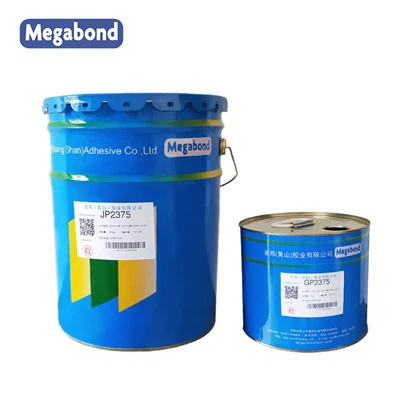
As a supplier of Polyurethane Glue laminating glue, we offer a range of products that are suitable for outdoor applications. Our Solvent-based AL Copper Material Laminating Adhesive is a great option for bonding aluminum and copper materials in outdoor settings. It has excellent resistance to water and chemicals, and it's formulated with UV stabilizers to protect against sunlight.
Another product we recommend is our Solvent-based DMD Insulation Laminating PU Glue. This glue is designed for laminating DMD insulation materials, which are commonly used in electrical equipment. It can withstand high temperatures and has good resistance to moisture, making it suitable for outdoor electrical applications.
We also have the Solvent-based DMD Insulation Laminating Adhesive, which is another great choice for outdoor insulation projects. It provides a strong bond and excellent insulation properties.
Tips for Using Polyurethane Laminating Glue Outdoors
If you're planning to use polyurethane laminating glue outdoors, here are some tips to help you get the best results:
- Prepare the surfaces: Make sure the surfaces you're bonding are clean, dry, and free of any dirt, grease, or debris. This will ensure a strong bond.
- Follow the instructions: Read and follow the manufacturer's instructions carefully. This includes the recommended application temperature, curing time, and any safety precautions.
- Apply the glue evenly: Use a brush, roller, or spray gun to apply the glue evenly to the surfaces. Make sure to cover the entire bonding area.
- Allow sufficient curing time: Give the glue enough time to fully cure before exposing it to outdoor conditions. This can take anywhere from a few hours to a few days, depending on the product and the temperature and humidity.
- Protect the bond: As mentioned earlier, consider applying a protective coating or sealant over the bonded area to protect it from sunlight, water, and other outdoor elements.
Contact Us for Your Outdoor Glue Needs
If you're interested in using polyurethane laminating glue for your outdoor projects, we'd love to hear from you. We have a team of experts who can help you choose the right product for your specific application and provide you with all the information you need.
Whether you're working on a small DIY project or a large commercial job, we've got the glue and the expertise to get the job done right. Don't hesitate to reach out to us to discuss your requirements and start the procurement process.
References
- ASTM International. (2023). Standard Test Methods for Evaluating the Bond Strength of Adhesives.
- Dow Chemical Company. (2022). Polyurethane Adhesives: A Technical Overview.
- 3M Company. (2021). Outdoor Adhesive Solutions for Various Applications.