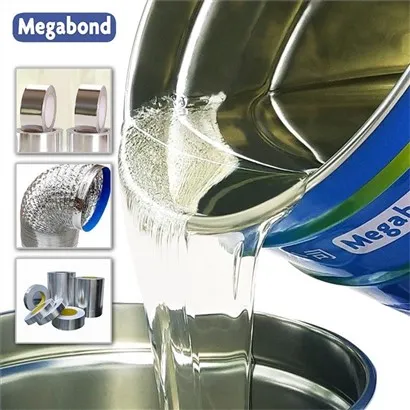


As a supplier of PU laminating adhesive, I often encounter various inquiries from customers regarding the diverse applications of our products. One question that has recently piqued my interest is whether PU laminating adhesive can be used for laminating magnetic materials. In this blog post, I will delve into this topic, exploring the feasibility, advantages, and potential challenges associated with using PU laminating adhesive for magnetic material lamination.
Understanding PU Laminating Adhesive
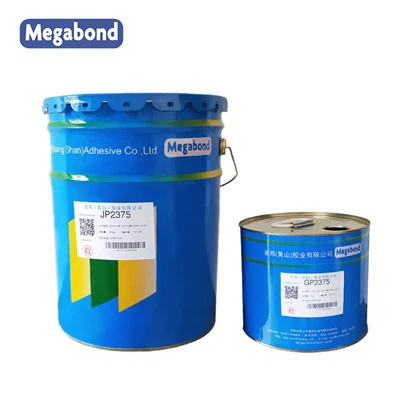
PU laminating adhesive, or polyurethane laminating adhesive, is a versatile bonding agent widely used in various industries for laminating different materials. It offers excellent adhesion, flexibility, and durability, making it suitable for a range of applications, including packaging, automotive, and textile industries. Our company offers a variety of PU laminating adhesives, such as Solvent-based 125℃ Anti-Retorting Laminating Adhesive, Solvent-based AL-plating Film Laminating Adhesive, and Solvent-based Anti-Additives Laminating Adhesive, each designed to meet specific requirements.
Feasibility of Using PU Laminating Adhesive for Magnetic Materials
The feasibility of using PU laminating adhesive for magnetic materials depends on several factors, including the type of magnetic material, the surface properties of the material, and the specific requirements of the application. In general, PU laminating adhesive can be used for laminating magnetic materials under certain conditions.
Compatibility with Magnetic Materials
PU laminating adhesive can form a strong bond with many types of magnetic materials, such as ferrite magnets, neodymium magnets, and samarium-cobalt magnets. The adhesive's ability to adhere to these materials is due to its chemical composition and the interaction between the adhesive and the surface of the magnetic material. However, it is important to note that the compatibility may vary depending on the specific formulation of the adhesive and the surface treatment of the magnetic material.
Surface Preparation
Proper surface preparation is crucial for achieving a strong bond between the PU laminating adhesive and the magnetic material. The surface of the magnetic material should be clean, dry, and free of any contaminants, such as oil, grease, or dust. In some cases, a surface treatment, such as sandblasting or chemical etching, may be required to improve the adhesion.
Application Conditions
The application conditions, such as temperature, humidity, and pressure, can also affect the performance of the PU laminating adhesive. It is important to follow the manufacturer's instructions regarding the application temperature, curing time, and pressure to ensure optimal bonding. In addition, the adhesive should be applied evenly and in the correct amount to avoid any voids or air bubbles.
Advantages of Using PU Laminating Adhesive for Magnetic Materials
There are several advantages to using PU laminating adhesive for laminating magnetic materials:
Strong Bonding
PU laminating adhesive offers excellent bonding strength, which can ensure a secure and durable bond between the magnetic material and the substrate. This is particularly important in applications where the magnetic material is subjected to mechanical stress or vibration.
Flexibility
The adhesive's flexibility allows it to accommodate the expansion and contraction of the magnetic material due to temperature changes or mechanical stress. This can help prevent the bond from breaking or delaminating over time.
Chemical Resistance
PU laminating adhesive is resistant to many chemicals, including solvents, oils, and water. This makes it suitable for use in harsh environments where the magnetic material may be exposed to chemicals or moisture.
Design Flexibility
The adhesive can be used to laminate magnetic materials to a variety of substrates, including plastics, metals, and composites. This provides design flexibility and allows for the creation of complex shapes and structures.
Potential Challenges and Considerations
While PU laminating adhesive offers many advantages for laminating magnetic materials, there are also some potential challenges and considerations that need to be addressed:
Magnetic Properties
The use of PU laminating adhesive may affect the magnetic properties of the magnetic material. The adhesive's thickness, composition, and curing process can all have an impact on the magnetic field strength and the magnetic performance of the material. It is important to conduct thorough testing to ensure that the adhesive does not significantly degrade the magnetic properties of the material.


Curing Time
The curing time of the PU laminating adhesive can vary depending on the specific formulation and the application conditions. In some cases, a longer curing time may be required to achieve optimal bonding. This can affect the production efficiency and the overall cost of the laminating process.
Environmental Impact
Some PU laminating adhesives may contain solvents or other chemicals that can have a negative impact on the environment. It is important to choose an adhesive that is environmentally friendly and complies with relevant regulations.
Conclusion
In conclusion, PU laminating adhesive can be used for laminating magnetic materials under certain conditions. The feasibility of using the adhesive depends on several factors, including the type of magnetic material, the surface properties of the material, and the specific requirements of the application. While there are some potential challenges and considerations, the advantages of using PU laminating adhesive, such as strong bonding, flexibility, and chemical resistance, make it a viable option for many applications.
If you are interested in using our PU laminating adhesive for laminating magnetic materials or have any other questions about our products, please feel free to contact us for more information and to discuss your specific needs. We are committed to providing high-quality products and excellent customer service to meet your requirements.
References
- "Polyurethane Adhesives: Chemistry, Technology, and Applications" by K. C. Frisch and D. Klempner
- "Magnetic Materials: Principles and Applications" by E. C. Stoner and E. P. Wohlfarth
- "Adhesive Bonding: Science, Technology, and Applications" by D. A. Dillard and S. L. Amateau