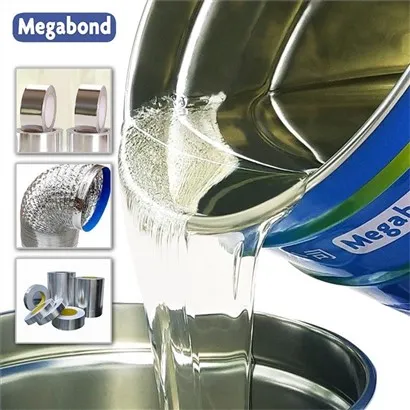


Hey there! As a supplier of Polyurethane Glue laminating glue, I've had my fair share of experiences in the laminating industry. One question that often pops up is how polyurethane laminating glue stacks up against hot - melt glue for laminating. So, let's dive right in and take a closer look at these two types of adhesives.
1. Basics of Polyurethane Laminating Glue and Hot - Melt Glue
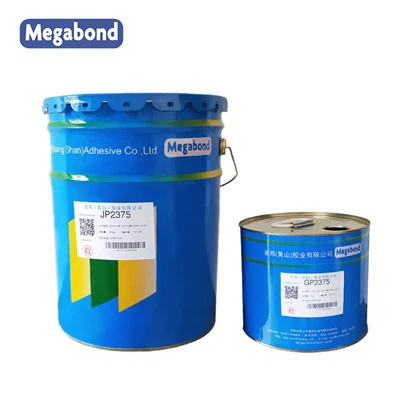
First off, let's get a bit of background. Polyurethane laminating glue is a type of adhesive that forms a strong, flexible bond. It comes in different forms, like solvent - based and water - based. Solvent - based polyurethane glues offer excellent adhesion to a wide range of materials. You can check out some of our products, such as Solvent - based DMD Insulation Laminating Adhesive, Solvent - based Metal Plastic Tinplate Laminating PU Glue, and Solvent - based AL Copper Material Laminating Adhesive.

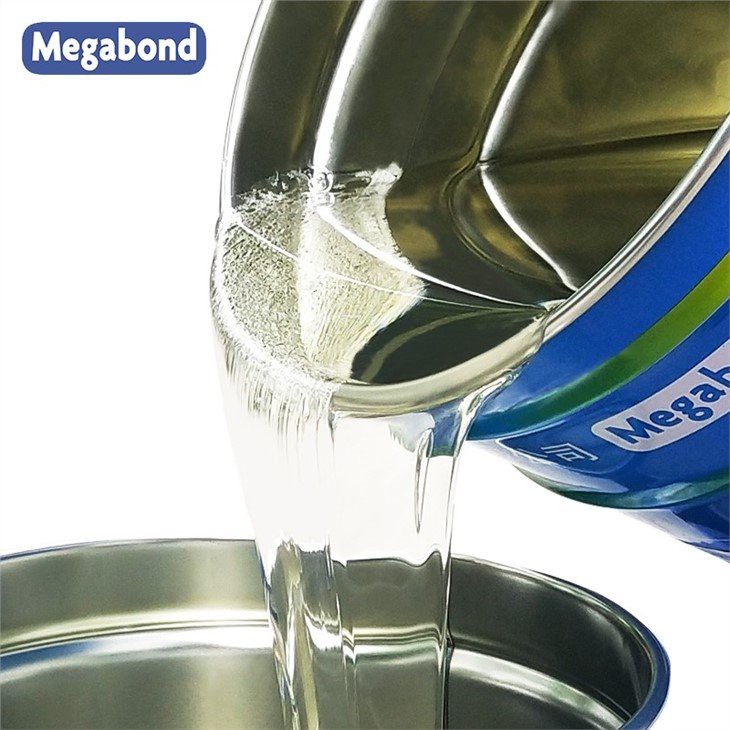
On the other hand, hot - melt glue is a thermoplastic adhesive that's solid at room temperature. When heated, it turns into a liquid that can be applied to surfaces. Once it cools down, it solidifies again, creating a bond.
2. Adhesion Strength
When it comes to adhesion strength, polyurethane laminating glue is a real champ. It can form a very strong bond with various substrates, including plastics, metals, and fabrics. This is because polyurethane has a high affinity for many materials, and it can penetrate the surface to create a more secure hold.
Hot - melt glue also offers good adhesion, but it might not be as strong as polyurethane in some cases. For example, when laminating materials that are under stress or need to withstand high temperatures, polyurethane glue is often the better choice. The bond created by polyurethane is more resistant to peeling and shearing forces, which makes it ideal for applications where durability is crucial.
3. Flexibility
Flexibility is another important factor in laminating. Polyurethane laminating glue provides excellent flexibility. The bond it creates can bend and stretch without breaking, which is great for applications where the laminated materials will be subject to movement. For instance, in the production of flexible packaging or automotive interiors, the ability of the glue to maintain its bond while the materials flex is essential.
Hot - melt glue, however, can be a bit more rigid. While some hot - melt formulations offer some degree of flexibility, they generally can't match the flexibility of polyurethane glue. If you're working on a project that requires a lot of movement or bending, polyurethane is likely the way to go.
4. Application Process
The application process for these two types of glue is quite different. Polyurethane laminating glue usually requires a more complex application process. It often needs to be mixed with a hardener before use, and the application temperature and humidity need to be carefully controlled. This is because the curing process of polyurethane is affected by environmental conditions.
Hot - melt glue, on the other hand, is much simpler to apply. You just need to heat it up using a hot - melt gun or a specialized applicator, and then you can apply it directly to the surface. It sets quickly as it cools, which means you can get the job done faster. But keep in mind that the quick setting time can also be a drawback if you need more time to position the materials correctly.
5. Drying and Curing Time
Polyurethane laminating glue has a relatively long drying and curing time. After application, it needs time to react with the hardener and form a strong bond. This can take anywhere from a few hours to a couple of days, depending on the type of polyurethane and the environmental conditions.
Hot - melt glue dries almost instantly as it cools. This is a major advantage if you need to complete a project quickly. However, the rapid drying time can also make it difficult to make adjustments once the glue has been applied.
6. Temperature Resistance
In terms of temperature resistance, polyurethane laminating glue performs well. It can withstand a wide range of temperatures, from cold to hot. This makes it suitable for applications in different environments. For example, in outdoor applications or in industrial settings where the temperature can vary significantly, polyurethane glue can maintain its bond strength.
Hot - melt glue has a more limited temperature range. It can soften or melt at relatively low temperatures, which means it might not be suitable for applications where high temperatures are involved. If your project will be exposed to heat, polyurethane glue is a safer bet.
7. Cost
Cost is always a consideration in any project. Polyurethane laminating glue can be more expensive than hot - melt glue. This is due to the raw materials used and the more complex manufacturing process. However, when you factor in the long - term performance and durability, the extra cost of polyurethane glue can be worth it.
Hot - melt glue is generally more affordable, especially for small - scale projects or applications where high - performance isn't required. But if you're looking for a glue that will last and provide a high - quality bond, you might want to invest in polyurethane.
8. Environmental Impact
When it comes to the environment, there are some differences between the two types of glue. Polyurethane laminating glue, especially solvent - based ones, can release volatile organic compounds (VOCs) during the application and curing process. However, there are also water - based polyurethane glues available that are more environmentally friendly.
Hot - melt glue is generally considered to be more environmentally friendly because it doesn't contain solvents and doesn't release VOCs. But it's important to note that the production of hot - melt glue also has an environmental impact, mainly due to the energy required for heating.
In conclusion, both polyurethane laminating glue and hot - melt glue have their own advantages and disadvantages. If you need a strong, flexible, and temperature - resistant bond, and you're willing to invest a bit more and deal with a more complex application process, polyurethane laminating glue is the way to go. On the other hand, if you're looking for a quick, simple, and cost - effective solution for a less demanding project, hot - melt glue might be the better choice.
If you're interested in learning more about our polyurethane laminating glue products or have any questions about which glue is right for your project, feel free to reach out. We're here to help you make the best decision for your laminating needs.
References
- "Adhesive Technology Handbook" by John W. McGarry
- "Polyurethane Handbook" by Gunter Oertel