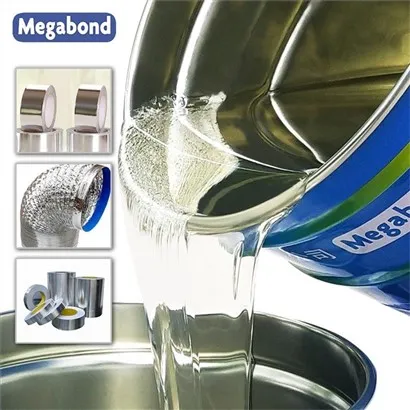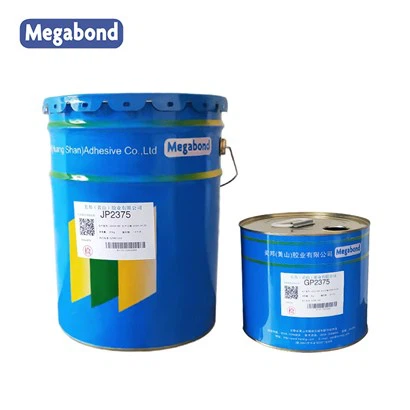


Hey there! As a supplier of PU lamination adhesives, I often get asked whether our products can be used for high - speed lamination processes. Well, let's dive right into it and find out.
First off, what are high - speed lamination processes? In simple terms, high - speed lamination refers to the process of bonding two or more layers of materials together at a very fast pace. This is commonly used in industries like packaging, automotive, and textiles. The faster the lamination process, the more products can be churned out in a given time, which is a major plus for businesses looking to increase their production efficiency.
Now, let's talk about PU lamination adhesives. Polyurethane (PU) adhesives are known for their excellent bonding properties, flexibility, and durability. They can bond a wide range of materials, including plastics, metals, and fabrics. These adhesives come in different types, such as solvent - based and solvent - free, each with its own set of advantages.

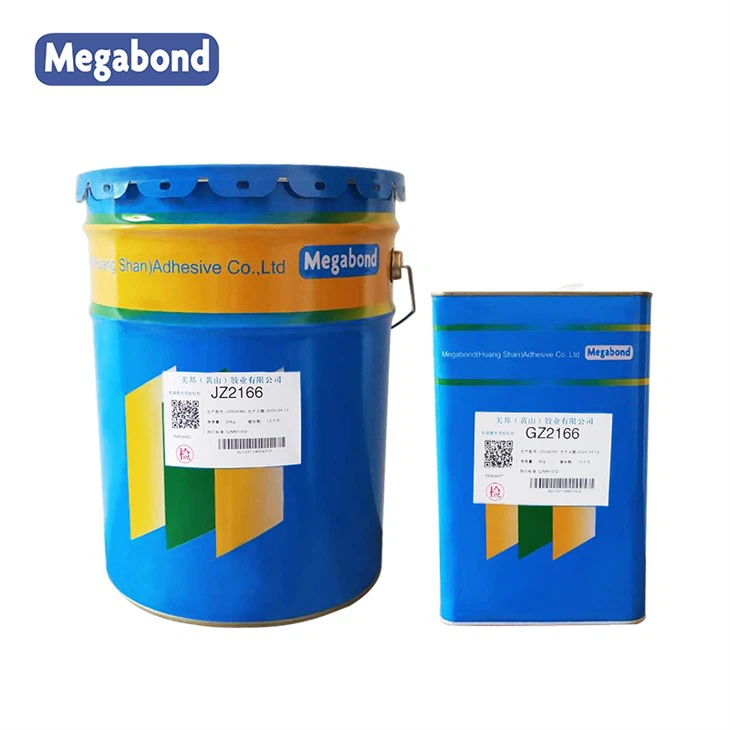
So, can PU lamination adhesives be used for high - speed lamination processes? The answer is a resounding yes! But there are a few factors that need to be considered.
Viscosity
One of the key factors is the viscosity of the adhesive. In high - speed lamination, the adhesive needs to flow smoothly and evenly onto the substrate. If the viscosity is too high, the adhesive may not spread properly, leading to uneven bonding or even blockages in the laminating equipment. On the other hand, if the viscosity is too low, the adhesive may run off the substrate before it can form a proper bond.
Our range of PU lamination adhesives is carefully formulated to have the right viscosity for high - speed lamination. We've spent a lot of time in the lab, testing and tweaking the formulations to ensure that they flow easily and provide consistent bonding results. For example, our Solvent - based Anti - Additives Laminating Adhesive has a well - balanced viscosity that allows it to be applied smoothly during high - speed lamination processes.
Cure Time
Another important factor is the cure time of the adhesive. In high - speed lamination, there's not a lot of time for the adhesive to dry and cure. So, the adhesive needs to have a relatively short cure time. Our PU lamination adhesives are designed to cure quickly, which means that the laminated products can be handled and further processed soon after lamination.
For instance, our Solvent Based 135℃ Anti - Retorting Laminating Adhesive is formulated to cure rapidly even at high temperatures. This is particularly useful in high - speed lamination processes where the production line operates at a fast pace.
Heat Resistance
High - speed lamination processes often generate a significant amount of heat due to the friction between the materials and the equipment. So, the adhesive needs to have good heat resistance to maintain its bonding properties. Our PU lamination adhesives are engineered to withstand high temperatures without losing their strength or flexibility.
Take our Solvent - based 121℃ Anti - Retorting PU Laminating Adhesive as an example. It can resist temperatures up to 121℃, making it suitable for high - speed lamination processes that involve heat.
Compatibility with Substrates
The adhesive also needs to be compatible with the substrates being laminated. Different materials have different surface properties, and the adhesive needs to be able to bond effectively to them. Our PU lamination adhesives are formulated to be compatible with a wide range of substrates, including various plastics, metals, and papers.
We've conducted extensive compatibility tests to ensure that our adhesives work well with different materials. This means that you can use our adhesives in high - speed lamination processes regardless of the substrates you're using.
Advantages of Using PU Lamination Adhesives in High - Speed Lamination
There are several advantages to using PU lamination adhesives in high - speed lamination processes.
Firstly, as mentioned earlier, they offer excellent bonding strength. This ensures that the laminated products are durable and can withstand the rigors of handling and transportation.
Secondly, PU lamination adhesives provide flexibility. This is important in applications where the laminated materials need to be bent or shaped. For example, in the packaging industry, flexible laminated materials are often used to create pouches and bags.
Thirdly, these adhesives are resistant to chemicals and moisture. This makes them suitable for use in a variety of environments, including those where the laminated products may come into contact with liquids or chemicals.
Tips for Using PU Lamination Adhesives in High - Speed Lamination
If you're planning to use our PU lamination adhesives in high - speed lamination processes, here are a few tips:
- Proper Mixing: Make sure to mix the adhesive components thoroughly according to the instructions. Improper mixing can lead to inconsistent bonding results.
- Clean Substrates: Ensure that the substrates are clean and free of dust, grease, and other contaminants. This will help the adhesive to bond better.
- Optimal Application Temperature: Follow the recommended application temperature for the adhesive. Applying the adhesive at the wrong temperature can affect its viscosity and cure time.
Conclusion
In conclusion, PU lamination adhesives can definitely be used for high - speed lamination processes. Our range of PU lamination adhesives is specifically designed to meet the requirements of high - speed lamination, with the right viscosity, cure time, heat resistance, and compatibility with substrates.
If you're in the market for high - quality PU lamination adhesives for your high - speed lamination processes, don't hesitate to get in touch. We'd be more than happy to discuss your specific needs and recommend the best adhesive for your application.
References
- "Polyurethane Adhesives: Chemistry, Technology, and Applications" by X. Yuan
- "High - Speed Lamination Processes: Principles and Practices" by J. Smith