

Can PU Lamination Adhesives Be Used for Laminating Aluminum Foil?
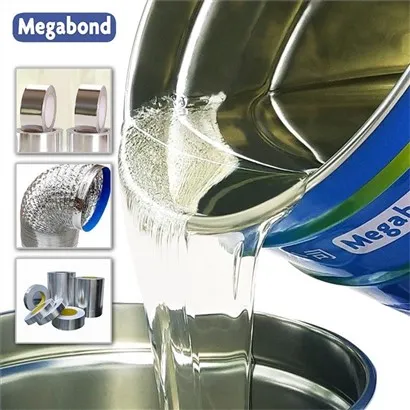
Hey there! I'm a supplier of PU lamination adhesives, and I often get asked if our products can be used for laminating aluminum foil. Well, let's dive right into it and find out.
First off, what are PU lamination adhesives? Polyurethane (PU) lamination adhesives are known for their excellent bonding properties. They can create strong, durable bonds between different materials. They're used in a wide range of industries, from packaging to automotive, because of their versatility and reliability.
Now, let's talk about aluminum foil. Aluminum foil is a popular material in the packaging industry. It's lightweight, flexible, and has excellent barrier properties against moisture, oxygen, and light. These properties make it ideal for packaging food, pharmaceuticals, and other sensitive products.


So, can PU lamination adhesives be used to laminate aluminum foil? The answer is yes, in many cases. PU adhesives can bond well to aluminum foil under the right conditions. They offer several advantages when used for this purpose.
One of the main advantages is the strength of the bond. PU adhesives can form a strong and durable bond between the aluminum foil and other materials, such as plastic films. This ensures that the laminated structure stays intact during handling, storage, and transportation. For example, in food packaging, a strong bond is crucial to prevent the layers from separating and to maintain the integrity of the package.
Another advantage is the chemical resistance of PU adhesives. Aluminum foil is often used in contact with various substances, including food ingredients, chemicals, and solvents. PU adhesives can resist the effects of these substances, protecting the bond and the overall laminated structure. This is especially important in applications where the package may come into contact with acidic or alkaline foods.
PU adhesives also offer good flexibility. Aluminum foil is a flexible material, and the adhesive used for lamination should be able to accommodate this flexibility without cracking or breaking. PU adhesives can stretch and bend with the aluminum foil, allowing the laminated structure to conform to different shapes and sizes. This is beneficial in applications such as flexible packaging, where the package needs to be able to be folded, rolled, or shaped.
However, there are some factors to consider when using PU lamination adhesives for aluminum foil. One important factor is the surface treatment of the aluminum foil. The surface of the aluminum foil may need to be treated to improve the adhesion of the PU adhesive. This can involve processes such as corona treatment or primer application. These treatments increase the surface energy of the aluminum foil, making it easier for the adhesive to wet and bond to the surface.
The curing conditions of the PU adhesive are also crucial. PU adhesives typically require a specific temperature and time for curing. The curing process is important for the adhesive to reach its full strength and performance. If the curing conditions are not met, the bond between the aluminum foil and the other material may be weak or inconsistent.
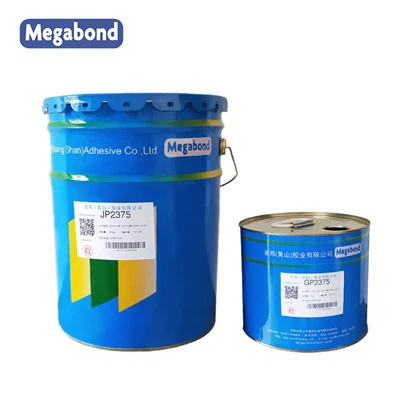
The type of PU adhesive used is also a consideration. There are different types of PU lamination adhesives available, each with its own properties and characteristics. For example, Solvent-based MET Plastic Film Laminating Adhesive is designed for laminating metalized plastic films, which may also be used in combination with aluminum foil. This type of adhesive offers good adhesion and chemical resistance.
Another option is the Solvent-based 125℃ Anti-Retorting Laminating Adhesive. This adhesive is suitable for applications where the laminated structure needs to withstand high temperatures during the retorting process, which is commonly used in food packaging.
Solvent-based MET Plastic Film Laminating Adhesive is another choice that can provide good bonding performance for laminating aluminum foil and plastic films.
When using PU lamination adhesives for aluminum foil, it's also important to follow the manufacturer's instructions. This includes proper mixing, application, and curing procedures. Any deviation from the recommended procedures can affect the performance of the adhesive and the quality of the laminated structure.
In addition, it's a good idea to conduct some tests before full-scale production. This can involve making sample laminates and testing them for bond strength, chemical resistance, and other properties. These tests can help identify any potential issues and allow for adjustments to be made to the process or the adhesive formulation.
In conclusion, PU lamination adhesives can be a great choice for laminating aluminum foil. They offer strong bonds, chemical resistance, and flexibility. However, it's important to consider the surface treatment of the aluminum foil, the curing conditions, and the type of adhesive used. By taking these factors into account and following the proper procedures, you can achieve high-quality laminated structures using PU adhesives.
If you're interested in using our PU lamination adhesives for laminating aluminum foil or have any questions about our products, please feel free to contact us. We're here to help you find the right adhesive solution for your specific application.
References
- "Polyurethane Adhesives: Chemistry, Technology, and Applications" - A technical book on the chemistry and applications of polyurethane adhesives.
- "Aluminum Foil in Packaging: Properties and Applications" - A research paper on the properties and uses of aluminum foil in the packaging industry.