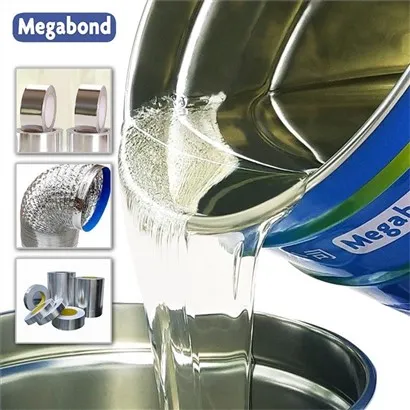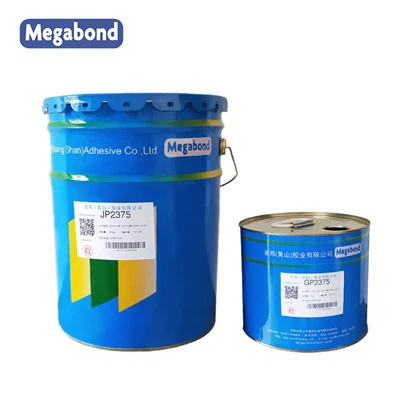


As a supplier of PVC laminating adhesive, I often encounter various questions from customers regarding the applications and compatibility of our products. One of the frequently asked questions is whether PVC laminating adhesive can be used for laminating PVC to glass. In this blog post, I will delve into this topic, exploring the feasibility, considerations, and potential challenges associated with using PVC laminating adhesive for this specific application.
Understanding PVC Laminating Adhesive
Before we discuss the possibility of using PVC laminating adhesive for laminating PVC to glass, it's essential to understand what PVC laminating adhesive is and how it works. PVC laminating adhesive is a type of adhesive specifically designed to bond PVC materials to various substrates. These adhesives typically contain polymers that form a strong, durable bond when applied between two surfaces.
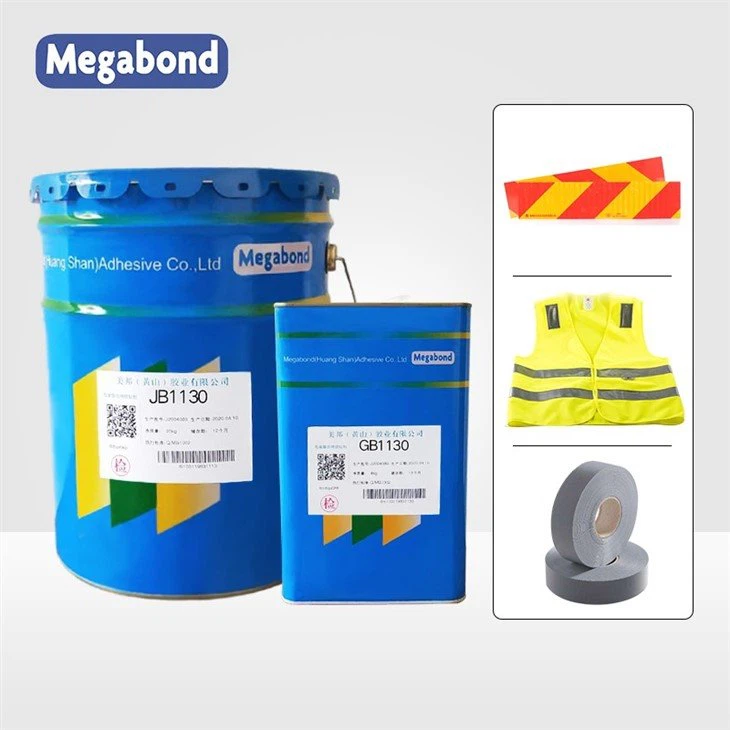

There are different types of PVC laminating adhesives available in the market, including solvent-based, water-based, and hot-melt adhesives. Each type has its own unique properties, advantages, and limitations, which can influence its suitability for different applications.
Feasibility of Using PVC Laminating Adhesive for Laminating PVC to Glass
The short answer is yes, PVC laminating adhesive can be used for laminating PVC to glass in many cases. However, several factors need to be considered to ensure a successful and long-lasting bond.
Compatibility
The first and most crucial factor is the compatibility between the PVC laminating adhesive and the PVC and glass materials. Different types of PVC and glass may have different surface properties, chemical compositions, and porosity levels, which can affect the adhesion strength. It's important to choose an adhesive that is specifically formulated to bond PVC to glass and has been tested for compatibility with the specific types of PVC and glass you are using.
Surface Preparation
Proper surface preparation is essential for achieving a strong bond between PVC and glass. The surfaces should be clean, dry, and free of any dirt, grease, or other contaminants. This can be achieved by cleaning the surfaces with a suitable solvent or detergent and then drying them thoroughly. In some cases, it may also be necessary to roughen the surface of the glass slightly to improve the adhesion.
Adhesive Application
The method of adhesive application can also have a significant impact on the bonding strength. It's important to follow the manufacturer's instructions carefully when applying the adhesive. This may include using the correct amount of adhesive, applying it evenly, and allowing sufficient time for the adhesive to dry or cure before applying pressure to bond the PVC and glass together.
Environmental Conditions
The environmental conditions during the bonding process and after the bond has been formed can also affect the performance of the adhesive. Factors such as temperature, humidity, and exposure to sunlight or chemicals can all have an impact on the adhesion strength and durability of the bond. It's important to ensure that the bonding process is carried out under suitable environmental conditions and that the bonded assembly is protected from adverse environmental factors.
Considerations and Potential Challenges
While using PVC laminating adhesive for laminating PVC to glass is generally feasible, there are some considerations and potential challenges that need to be taken into account.
Bond Strength
The bond strength between PVC and glass can vary depending on several factors, including the type of adhesive used, the surface preparation, and the environmental conditions. In some cases, the bond may not be strong enough to withstand the stresses and forces that the bonded assembly may be subjected to during use. It's important to test the bond strength under the expected operating conditions to ensure that it meets the required standards.
Durability
The durability of the bond between PVC and glass can also be affected by factors such as exposure to sunlight, moisture, chemicals, and temperature changes. Over time, the adhesive may degrade, causing the bond to weaken or fail. It's important to choose an adhesive that has good resistance to these environmental factors and to protect the bonded assembly from excessive exposure to them.
Aesthetics
In some applications, the aesthetics of the bonded assembly may be important. The adhesive used should not leave any visible marks or residues on the glass surface, and it should provide a clear, transparent bond. It's important to choose an adhesive that is specifically formulated for applications where aesthetics are a concern.
Our Product Offerings
As a supplier of PVC laminating adhesive, we offer a range of high-quality adhesives that are suitable for laminating PVC to glass. Our adhesives are formulated using the latest technology and materials to provide strong, durable bonds that meet the highest standards of quality and performance.
- Solvent-based Reflective Beads Laminating Adhesive: This adhesive is specifically designed for laminating reflective beads to PVC and other substrates. It provides a strong, durable bond that is resistant to water, chemicals, and UV radiation.
- Solvent-based DMD Insulation Laminating Adhesive: This adhesive is ideal for laminating DMD insulation materials to PVC and other substrates. It provides excellent adhesion and insulation properties, making it suitable for a wide range of applications.
- Solvent-based Door Panel PVC Metal Laminating Adhesive: This adhesive is specifically formulated for laminating PVC to metal door panels. It provides a strong, durable bond that is resistant to impact, abrasion, and environmental factors.
Conclusion
In conclusion, PVC laminating adhesive can be used for laminating PVC to glass in many cases, but it's important to consider several factors to ensure a successful and long-lasting bond. By choosing the right adhesive, preparing the surfaces properly, applying the adhesive correctly, and protecting the bonded assembly from adverse environmental factors, you can achieve a strong, durable bond that meets your specific requirements.
If you have any questions or need further information about our PVC laminating adhesives or their suitability for laminating PVC to glass, please feel free to contact us. We are always happy to help and provide you with the best solutions for your bonding needs.
References
- ASTM International. (2023). Standard Test Methods for Strength Properties of Adhesive Bonds in Shear by Tension Loading (Metal-to-Metal). ASTM D1002.
- ISO. (2023). Adhesives - Determination of Tensile Lap-Shear Strength of Rigid-to-Rigid Adhesive Bonds. ISO 4587.
- Peel Strength Test Methods. (2023). ASTM D903.