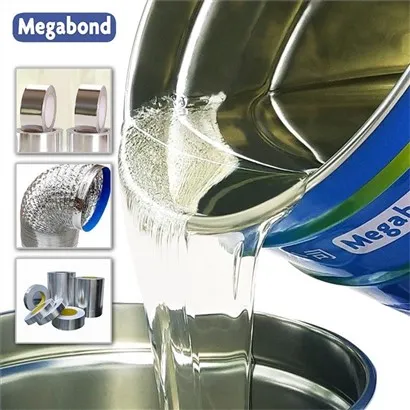


Hey there! As a supplier of solvent based laminating adhesives, I often get asked a bunch of questions. One of the most common ones is, "Can solvent based laminating adhesives be used for laminating metal foils?" Well, let's dive right into this topic and find out.
First off, let's talk a bit about what solvent based laminating adhesives are. These adhesives are basically a type of glue that uses solvents to dissolve the resin and other components. When the solvent evaporates, it leaves behind a strong bond between the materials being laminated. They're known for their excellent adhesion properties, good chemical resistance, and the ability to form a tough, durable bond.
Now, metal foils are a whole different ballgame. They come in various types like aluminum, copper, and stainless - steel foils. Each type has its own unique surface properties, such as smoothness, surface energy, and reactivity. These properties play a huge role in determining whether a solvent based laminating adhesive can be used effectively.
One of the key factors is the surface energy of the metal foil. Metals generally have a high surface energy, which means they can be quite receptive to adhesives. However, if the surface of the metal foil is contaminated with oils, dirt, or oxidation, it can significantly reduce the adhesion strength. That's why proper surface preparation is crucial. Before applying the solvent based laminating adhesive, the metal foil should be cleaned thoroughly. This can be done using solvents, abrasives, or a combination of both to remove any contaminants and create a clean, reactive surface.
Another important aspect is the compatibility between the adhesive and the metal foil. Some solvent based laminating adhesives may react with certain metals, causing corrosion or other chemical changes over time. For example, some adhesives may contain chemicals that can react with aluminum, leading to the formation of oxides and reducing the bond strength. As a supplier, I always make sure to test our adhesives with different types of metal foils to ensure compatibility.
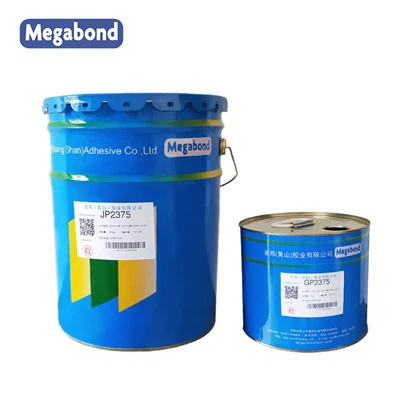
Let's take a look at some of the products we offer and how they might work for laminating metal foils. We have the Solvent-based Economical Laminating Adhesive. This adhesive is a great choice if you're looking for a cost - effective solution. It has good adhesion properties and can bond well to many types of metal foils, especially when the surface is properly prepared. It's also relatively easy to apply, which makes it a popular option for small - scale and large - scale laminating operations alike.
Then there's the Solvent-based 121℃ Anti-Retorting Laminating Adhesive. This adhesive is designed to withstand high temperatures, which is a big plus when laminating metal foils that may be exposed to heat during the manufacturing process or in their end - use applications. For example, if the laminated metal foil is going to be used in a product that undergoes sterilization at high temperatures, this adhesive can maintain its bond strength and performance.
And of course, we have the Solvent-based 100℃ Anti-Boiling Laminating Adhesive. Similar to the anti - retorting adhesive, it offers good resistance to boiling water and other high - moisture environments. This can be very useful when the laminated metal foil is used in food packaging or other applications where it may come into contact with water.
When it comes to the application process, solvent based laminating adhesives for metal foils need to be applied evenly. This can be done using various methods such as roll coating, spray coating, or gravure coating. The choice of application method depends on the size of the metal foil, the type of adhesive, and the production requirements. After application, the solvent needs to be allowed to evaporate completely before the metal foil is laminated to another material. This usually requires a controlled environment with proper ventilation to ensure the solvent vapors are removed safely.
It's also important to consider the curing time of the adhesive. Different adhesives have different curing times, which can range from a few hours to several days. During the curing process, the adhesive forms a strong, permanent bond between the metal foil and the other material. The curing time can be affected by factors such as temperature, humidity, and the thickness of the adhesive layer.
Now, let's talk about the advantages of using solvent based laminating adhesives for metal foils. One of the biggest advantages is their high bond strength. These adhesives can form a very strong bond between the metal foil and other materials, which is essential for applications where the laminated structure needs to withstand mechanical stress, such as in automotive or aerospace components.


Another advantage is their chemical resistance. Solvent based laminating adhesives can resist a wide range of chemicals, which makes them suitable for applications where the laminated metal foil may come into contact with corrosive substances. For example, in the chemical industry, laminated metal foils are often used to line storage tanks or pipes, and the adhesive needs to be able to withstand the chemicals being stored or transported.
However, there are also some challenges associated with using solvent based laminating adhesives for metal foils. One of the main challenges is the environmental impact. Solvents used in these adhesives can be volatile organic compounds (VOCs), which can contribute to air pollution and have potential health risks. To address this issue, we're constantly working on developing more environmentally friendly formulations that reduce the amount of VOCs without sacrificing the performance of the adhesive.
Another challenge is the cost. Solvent based laminating adhesives can be more expensive than some other types of adhesives, especially when considering the cost of the solvents and the equipment needed for proper application and ventilation. But when you factor in the high bond strength, chemical resistance, and durability, the cost can be justified for many applications.
In conclusion, solvent based laminating adhesives can definitely be used for laminating metal foils, but it's important to consider a few key factors. Proper surface preparation, compatibility between the adhesive and the metal foil, the right application method, and curing time are all crucial for achieving a strong, durable bond. Our products, like the Solvent-based Economical Laminating Adhesive, Solvent-based 121℃ Anti-Retorting Laminating Adhesive, and Solvent-based 100℃ Anti-Boiling Laminating Adhesive, are designed to meet the specific needs of laminating metal foils.
If you're interested in using our solvent based laminating adhesives for your metal foil laminating projects, I encourage you to get in touch with us. We can provide you with more detailed information, samples, and technical support to help you make the right choice. Whether you're a small business or a large corporation, we're here to assist you in finding the best adhesive solution for your needs.
References:
- "Handbook of Adhesive Technology" by Skeist, I.
- "Adhesives and Sealants Technology" - Various industry publications