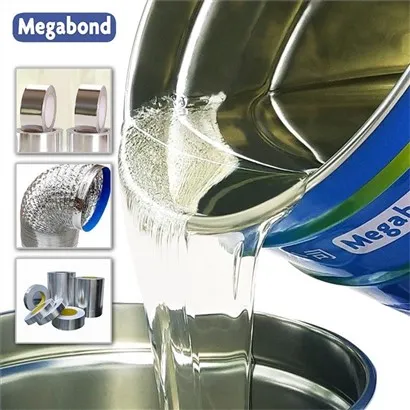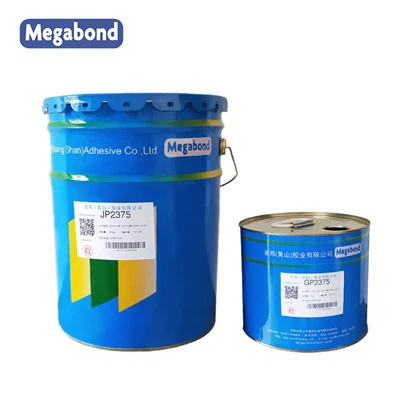


Ensuring the uniform application of PU lamination adhesives is crucial for achieving high - quality lamination results. As a supplier of PU lamination adhesives, I have witnessed firsthand the challenges that manufacturers face in this regard. In this blog, I will share some key strategies and best practices to help you ensure a uniform application of our PU lamination adhesives.
Understanding the Basics of PU Lamination Adhesives
PU lamination adhesives, or polyurethane lamination adhesives, are widely used in various industries such as packaging, automotive, and textile. They offer excellent bonding strength, flexibility, and chemical resistance. However, to fully leverage these benefits, it is essential to apply them uniformly.
The uniform application of PU lamination adhesives ensures consistent bonding between different substrates. This not only enhances the overall quality of the laminated product but also improves its durability and performance. Uneven application can lead to issues such as delamination, poor adhesion, and aesthetic defects.
Preparation Before Application
Substrate Preparation
The first step in ensuring uniform application is proper substrate preparation. The surfaces to be bonded should be clean, dry, and free from any contaminants such as dust, grease, or moisture. Any impurities on the substrate can prevent the adhesive from bonding properly, resulting in uneven application.
For example, in the packaging industry, when laminating plastic films, the films should be thoroughly cleaned before applying the adhesive. This can be done using a mild solvent or a cleaning agent specifically designed for plastic surfaces. Additionally, the substrate should be checked for any surface irregularities or damage that could affect the adhesive application.
Adhesive Mixing
Proper mixing of the PU lamination adhesive is also critical. Most PU adhesives are two - component systems, consisting of a resin and a hardener. These components need to be mixed in the correct ratio to ensure optimal performance.
Use a high - speed mixer to ensure thorough mixing. The mixing time and speed should be in accordance with the manufacturer's instructions. Inadequate mixing can result in areas with different adhesive properties, leading to uneven application and bonding. For instance, if the hardener is not evenly distributed in the resin, some areas may cure faster than others, causing stress and potential delamination.
Application Techniques
Coating Methods
There are several coating methods available for applying PU lamination adhesives, including roll coating, knife coating, and spray coating. Each method has its own advantages and limitations, and the choice of method depends on the specific application requirements.
- Roll Coating: This is one of the most commonly used methods for applying PU lamination adhesives. It involves passing the substrate through a set of rollers, where the adhesive is applied in a controlled manner. Roll coating provides a relatively uniform application and is suitable for large - scale production. However, it requires careful adjustment of the roller pressure and speed to ensure consistent coating thickness.
- Knife Coating: Knife coating is another popular method, especially for applications where a precise coating thickness is required. In this method, a knife or blade is used to spread the adhesive evenly on the substrate. The gap between the knife and the substrate determines the coating thickness. Knife coating is suitable for substrates with different surface textures, but it may be more time - consuming compared to roll coating.
- Spray Coating: Spray coating is a versatile method that can be used for complex shapes and large - area applications. It involves spraying the adhesive onto the substrate using a spray gun. However, achieving a uniform application with spray coating can be challenging, as factors such as spray pattern, pressure, and distance from the substrate need to be carefully controlled.
Equipment Maintenance
Regular maintenance of the application equipment is essential for ensuring uniform adhesive application. The rollers, knives, or spray guns should be cleaned regularly to prevent the buildup of adhesive residues. Any worn - out parts should be replaced promptly to maintain the accuracy and consistency of the application.
For example, if the rollers in a roll - coating machine are not properly cleaned, the adhesive may accumulate on the roller surface, resulting in uneven coating thickness. Similarly, a clogged spray gun can cause uneven spraying patterns, leading to non - uniform adhesive application.
Environmental Factors
Temperature and Humidity
Temperature and humidity can significantly affect the application and performance of PU lamination adhesives. PU adhesives are sensitive to changes in temperature and humidity, and improper environmental conditions can lead to uneven application and bonding issues.
Most PU lamination adhesives have an optimal temperature and humidity range for application. Generally, the temperature should be between 20 - 30°C, and the relative humidity should be between 40 - 60%. Outside this range, the adhesive may dry too quickly or too slowly, resulting in uneven coating and poor bonding.
For instance, in a high - humidity environment, the adhesive may absorb moisture from the air, which can affect its curing process and bonding strength. On the other hand, in a low - temperature environment, the adhesive may become too viscous, making it difficult to apply uniformly.
Ventilation
Proper ventilation is also important during the adhesive application process. Ventilation helps to remove any volatile organic compounds (VOCs) released by the adhesive, which can not only be harmful to the operators but also affect the adhesive's performance.
Good ventilation also helps to maintain a stable temperature and humidity in the application area, which is essential for uniform adhesive application. A well - ventilated area ensures that the adhesive dries and cures properly, reducing the risk of uneven application and bonding defects.
Quality Control
In - process Inspection
Regular in - process inspection is necessary to ensure that the adhesive is being applied uniformly. This can involve visual inspection of the coated substrate to check for any signs of uneven coating, such as streaks, bubbles, or thickness variations.
In addition to visual inspection, thickness gauges can be used to measure the coating thickness at different points on the substrate. This helps to identify any areas where the coating thickness is outside the acceptable range, allowing for immediate adjustments to the application process.
Post - lamination Testing
After the lamination process is complete, post - lamination testing should be conducted to evaluate the quality of the bond. This can include peel strength testing, shear strength testing, and visual inspection of the laminated product.
Peel strength testing measures the force required to separate the laminated layers. A consistent peel strength across the entire laminated area indicates a uniform adhesive application. Shear strength testing, on the other hand, measures the ability of the bond to withstand a shearing force. Any significant variations in the test results may indicate problems with the adhesive application.
Our Product Range
As a supplier of PU lamination adhesives, we offer a wide range of products to meet different application requirements. Our Solvent-based Anti-Additives Laminating Adhesive is designed for applications where resistance to additives is required. It provides excellent bonding strength and chemical resistance, ensuring a long - lasting bond.
Our Solvent-based 125℃ Anti-Retorting Laminating Adhesive is suitable for applications that require high - temperature resistance. It can withstand retorting processes at 125°C without delamination or loss of adhesion.
For applications that require resistance to boiling water, our Solvent-based 100℃ Anti-Boiling Laminating Adhesive is an ideal choice. It offers excellent bonding strength and durability even in boiling water environments.
Conclusion
Ensuring the uniform application of PU lamination adhesives is a multi - faceted process that involves proper substrate preparation, correct adhesive mixing, appropriate application techniques, control of environmental factors, and rigorous quality control. By following these best practices, you can achieve high - quality lamination results and enhance the performance of your products.
If you are interested in our PU lamination adhesives or have any questions about ensuring uniform application, please feel free to contact us for a procurement discussion. We are committed to providing you with the best products and technical support to meet your specific needs.


References
- "Polyurethane Adhesives: Chemistry, Technology, and Applications" by John A. Manson and Leslie H. Sperling.
- "Adhesive Bonding: Science, Technology, and Applications" by S. K. Singhal and D. D. Agarwal.
- Technical literature provided by various PU lamination adhesive manufacturers.