

Hey there! As a supplier of solvent-based polyurethane adhesive, I often get asked whether our product can be used for bonding composites. Well, let's dive right into this topic and find out.
First off, let's understand what composites are. Composites are materials made from two or more constituent materials with significantly different physical or chemical properties. When combined, they produce a material with characteristics different from the individual components. Common composites include carbon fiber - reinforced polymers, fiberglass, and wood - plastic composites. These materials are known for their high strength - to - weight ratio, corrosion resistance, and excellent mechanical properties, which make them popular in various industries like aerospace, automotive, and construction.
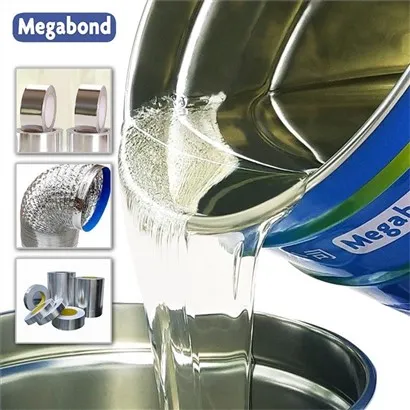
Now, let's talk about solvent - based polyurethane adhesive. Our solvent - based polyurethane adhesives are formulated to offer strong bonding, good flexibility, and excellent resistance to abrasion, chemicals, and weathering. They work by dissolving the polymer in a solvent. When the solvent evaporates, it leaves behind a strong adhesive bond.


So, can it be used for bonding composites? The answer is a resounding yes, but with some considerations.
Advantages of Using Solvent - Based Polyurethane Adhesive for Composites
1. Strong Bonding
Solvent - based polyurethane adhesives can form a very strong bond with composites. The adhesive can penetrate the surface of the composite material to some extent, creating an interlocking structure that enhances the bond strength. For example, in carbon fiber composites, the adhesive can adhere well to the carbon fibers and the resin matrix, providing a reliable connection that can withstand high stresses.
2. Flexibility
Composites often need to withstand some degree of flexing or movement without the bond failing. Solvent - based polyurethane adhesives offer good flexibility, which allows them to accommodate the natural movements of the composite materials. This is particularly important in applications where the composites are subject to vibration or dynamic loads, such as in automotive parts or aircraft wings.
3. Chemical Resistance
Many composites are used in environments where they are exposed to various chemicals. Our solvent - based polyurethane adhesives have excellent chemical resistance, protecting the bond from degradation due to exposure to oils, solvents, and other chemicals. This makes them suitable for use in industrial applications where chemical exposure is common.
4. Weather Resistance
Outdoor applications of composites require adhesives that can withstand the elements. Solvent - based polyurethane adhesives are resistant to UV radiation, moisture, and temperature changes. This ensures that the bond between the composites remains strong over time, even in harsh outdoor conditions.
Applications of Solvent - Based Polyurethane Adhesive in Composite Bonding
1. Aerospace Industry
In the aerospace industry, composites are widely used to reduce weight and improve fuel efficiency. Our solvent - based polyurethane adhesives can be used to bond composite parts such as wing panels, fuselage sections, and interior components. The strong bond and flexibility of the adhesive are crucial in ensuring the structural integrity of the aircraft.
2. Automotive Industry
Composites are increasingly being used in the automotive industry to reduce vehicle weight and improve performance. Solvent - based polyurethane adhesives can be used to bond composite body panels, interior trim, and structural components. The chemical and weather resistance of the adhesive is important in ensuring the longevity of the bond in automotive applications.
3. Construction Industry
In construction, composites are used for various applications such as roofing, siding, and structural supports. Our solvent - based polyurethane adhesives can be used to bond these composite materials, providing a strong and durable connection. The weather resistance of the adhesive is particularly important in outdoor construction applications.
Considerations When Using Solvent - Based Polyurethane Adhesive for Composites
1. Surface Preparation
Proper surface preparation is crucial for achieving a strong bond between the adhesive and the composite. The surface of the composite should be clean, dry, and free of any contaminants such as dust, grease, or release agents. Sometimes, surface treatments like sanding or chemical etching may be required to improve the adhesion.
2. Solvent Evaporation
Since our adhesive is solvent - based, the solvent needs to evaporate before the bond reaches its full strength. This process can take some time, especially in high - humidity or low - temperature environments. Adequate ventilation is also necessary to ensure the safe and efficient evaporation of the solvent.
3. Compatibility
It's important to ensure that the solvent - based polyurethane adhesive is compatible with the specific type of composite being used. Some composites may have a surface chemistry that is not compatible with the adhesive, which can result in poor adhesion. Before using the adhesive on a large - scale project, it's recommended to conduct small - scale tests to verify compatibility.
Our Product Range
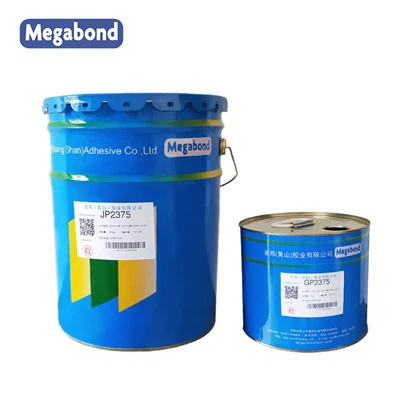
We offer a variety of solvent - based polyurethane adhesives suitable for different composite bonding applications. For example, our Solvent - based Anti - Additives Laminating Adhesive is designed for applications where resistance to additives is required. Our Solvent - based 121℃ Anti - Steaming Laminating Adhesive is ideal for applications where the bond needs to withstand high - temperature steaming. And our Solvent - based Anti - Chemicals Polyether Laminating Adhesive is perfect for environments where chemical resistance is crucial.
Conclusion
In conclusion, solvent - based polyurethane adhesive can definitely be used for bonding composites. It offers many advantages such as strong bonding, flexibility, chemical resistance, and weather resistance. However, proper surface preparation, consideration of solvent evaporation, and verification of compatibility are essential for achieving the best results.
If you're in the market for a high - quality solvent - based polyurethane adhesive for your composite bonding needs, we'd love to hear from you. Whether you're in the aerospace, automotive, or construction industry, our products can provide the reliable bonding solution you're looking for. Don't hesitate to reach out to us to discuss your specific requirements and start a procurement negotiation.
References
- "Adhesive Bonding of Composite Materials" - A technical guide on adhesive bonding in composite applications.
- "Polyurethane Adhesives: Chemistry and Applications" - A comprehensive book on the chemistry and uses of polyurethane adhesives.