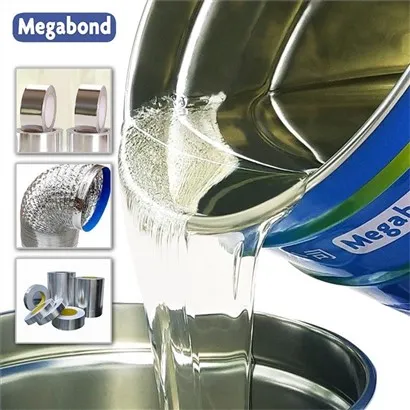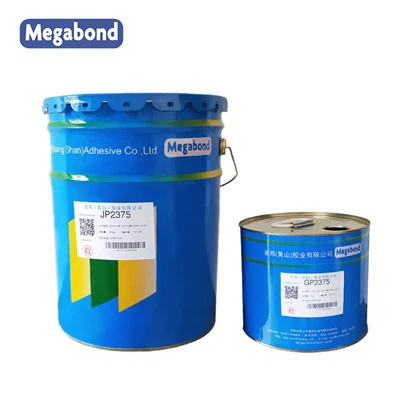


As a supplier of laminating adhesives, I've witnessed firsthand the transformative power of these remarkable substances in various industries. Laminating adhesives are used to bond multiple layers of materials together, creating a single, unified structure with enhanced properties. From packaging to automotive, from electronics to furniture, laminating adhesives play a crucial role in ensuring the quality, durability, and performance of countless products. In this blog post, I'll share some of the best practices for using laminating adhesives, based on my years of experience and expertise in the field.
Understanding the Basics of Laminating Adhesives
Before delving into the best practices, it's essential to understand the basics of laminating adhesives. Laminating adhesives come in various types, each with its unique properties and applications. The most common types of laminating adhesives include solvent-based, water-based, and solvent-free adhesives.
Solvent-based adhesives are known for their strong bonding strength and fast drying time. They are suitable for applications that require high bond strength and resistance to chemicals and solvents. However, solvent-based adhesives emit volatile organic compounds (VOCs), which can be harmful to the environment and human health.
Water-based adhesives are a more environmentally friendly alternative to solvent-based adhesives. They have low VOC emissions and are easy to clean up. Water-based adhesives are suitable for applications that require a flexible bond and resistance to moisture. However, they may have a longer drying time and lower bond strength compared to solvent-based adhesives.


Solvent-free adhesives are the most environmentally friendly option. They have zero VOC emissions and are safe to use in indoor environments. Solvent-free adhesives are suitable for applications that require a high bond strength and resistance to heat and chemicals. They are also ideal for food packaging applications, as they do not contain any harmful substances.
Best Practices for Using Laminating Adhesives
Now that you have a basic understanding of laminating adhesives, let's explore some of the best practices for using them effectively.
Surface Preparation
The first step in using laminating adhesives is to prepare the surfaces that will be bonded. The surfaces should be clean, dry, and free of any contaminants, such as oil, grease, dust, or dirt. Any contaminants on the surfaces can reduce the bond strength of the adhesive and cause the laminate to delaminate.
To prepare the surfaces, you can use a solvent or a cleaning agent to remove any contaminants. Make sure to follow the manufacturer's instructions when using solvents or cleaning agents, as some solvents can damage the surfaces. After cleaning the surfaces, allow them to dry completely before applying the adhesive.
Adhesive Application
The next step is to apply the adhesive to the surfaces. The method of application will depend on the type of adhesive and the specific requirements of the application. Some common methods of adhesive application include brush, roller, spray, and extrusion.
When applying the adhesive, make sure to apply it evenly and consistently to the surfaces. Avoid applying too much or too little adhesive, as this can affect the bond strength of the adhesive. Follow the manufacturer's instructions regarding the recommended application thickness and coverage rate.
Bonding Process
After applying the adhesive, it's time to bond the surfaces together. The bonding process should be carried out immediately after applying the adhesive, as most adhesives have a limited open time. The open time is the period during which the adhesive remains tacky and can form a bond.
To bond the surfaces together, place the two surfaces in contact with each other and apply pressure. The pressure should be applied evenly and consistently to ensure a strong bond. The amount of pressure required will depend on the type of adhesive and the specific requirements of the application.
Curing Process
Once the surfaces are bonded together, the adhesive needs to cure. The curing process is the process by which the adhesive hardens and forms a strong bond. The curing time will depend on the type of adhesive, the temperature, and the humidity.
Most laminating adhesives require a certain amount of time and temperature to cure properly. Follow the manufacturer's instructions regarding the recommended curing time and temperature. During the curing process, make sure to keep the bonded surfaces in a stable environment and avoid any movement or stress that could affect the bond.
Quality Control
After the adhesive has cured, it's important to perform quality control checks to ensure that the bond is strong and durable. Some common quality control checks include visual inspection, peel testing, and shear testing.
Visual inspection involves examining the bonded surfaces for any signs of delamination, bubbles, or other defects. Peel testing involves measuring the force required to peel the two surfaces apart. Shear testing involves measuring the force required to slide the two surfaces past each other.
Our Laminating Adhesive Products
As a laminating adhesive supplier, we offer a wide range of high-quality laminating adhesives to meet the diverse needs of our customers. Our products include Solvent-free 125℃ Retortable Laminating Adhesive, Solvent-free MET Plastic Film Laminating Adhesive, and Solvent-free 100℃ Anti-Cooking Laminating Adhesive.
Our solvent-free laminating adhesives are environmentally friendly and offer excellent bonding strength and resistance to heat, chemicals, and moisture. They are suitable for a wide range of applications, including food packaging, flexible packaging, and industrial laminates.
Conclusion
Using laminating adhesives effectively requires a combination of knowledge, skill, and attention to detail. By following the best practices outlined in this blog post, you can ensure that your laminating adhesive applications are successful and that your products meet the highest standards of quality and performance.
If you're interested in learning more about our laminating adhesive products or have any questions about using laminating adhesives, please don't hesitate to contact us. We're here to help you find the right adhesive solution for your specific needs and to support you throughout the entire process.
References
- "Laminating Adhesives: A Comprehensive Guide." Adhesive and Sealant Council.
- "Best Practices for Laminating Adhesive Applications." Industrial Adhesives Magazine.
- "Solvent-Free Laminating Adhesives: Advantages and Applications." Packaging World.