

Solvent-based polyurethane adhesives have long been a staple in various industries due to their versatility, strong bonding capabilities, and durability. As a supplier of solvent-based polyurethane adhesives, I often receive inquiries about their suitability for bonding fiberglass. In this blog post, I'll delve into the technical aspects of using solvent-based polyurethane adhesives for fiberglass bonding, explore the benefits and challenges, and provide some practical tips for achieving optimal results.
Understanding Solvent-Based Polyurethane Adhesives
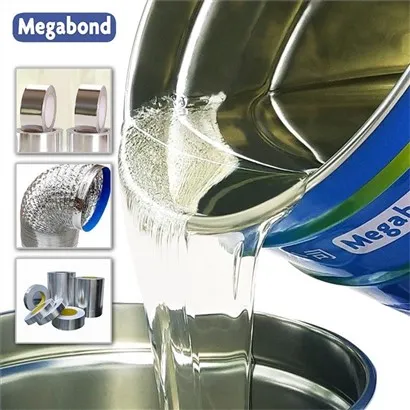
Solvent-based polyurethane adhesives are formulated with polyurethane polymers dissolved in a solvent carrier. The solvent evaporates during the curing process, leaving behind a strong, flexible bond. These adhesives offer several advantages, including excellent adhesion to a wide range of substrates, high resistance to chemicals and environmental factors, and good flexibility and impact resistance.
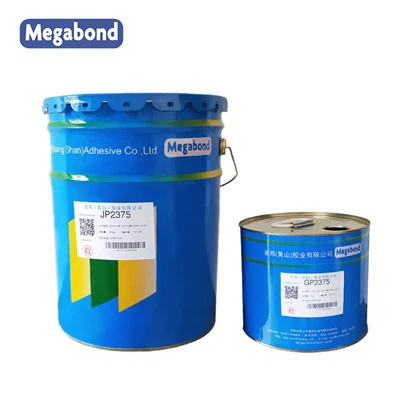
Our company offers a range of solvent-based polyurethane adhesives tailored to different applications. For instance, the Solvent-based Economical Laminating Adhesive is designed for cost-effective lamination processes, while the Solvent-based Anti-Additives Laminating Adhesive is suitable for applications where the presence of additives needs to be minimized. The Solvent-based MET Plastic Film Laminating Adhesive is specifically formulated for bonding metalized plastic films.
Bonding Fiberglass with Solvent-Based Polyurethane Adhesives
Fiberglass is a composite material made of fine glass fibers embedded in a resin matrix. It is known for its high strength-to-weight ratio, corrosion resistance, and electrical insulation properties. When it comes to bonding fiberglass, solvent-based polyurethane adhesives can be a viable option, but several factors need to be considered.
Surface Preparation
Proper surface preparation is crucial for achieving a strong bond between the adhesive and the fiberglass. The surface of the fiberglass should be clean, dry, and free of any contaminants such as dust, oil, or grease. This can be achieved by wiping the surface with a suitable solvent or cleaning agent. Additionally, roughening the surface slightly can improve the mechanical interlocking between the adhesive and the fiberglass, enhancing the bond strength.
Compatibility
The compatibility between the solvent-based polyurethane adhesive and the fiberglass resin is another important factor. Different types of fiberglass resins have different chemical compositions, and some may react with the adhesive or its solvents. It is recommended to conduct compatibility tests before using the adhesive on a large scale. This can involve applying a small amount of the adhesive to a test piece of fiberglass and observing the bond strength and any signs of chemical reaction over a period of time.
Curing Conditions
The curing process of solvent-based polyurethane adhesives is affected by factors such as temperature, humidity, and ventilation. Optimal curing conditions are typically specified by the adhesive manufacturer. For bonding fiberglass, it is important to ensure that the curing environment is controlled to achieve the best results. Higher temperatures can accelerate the curing process, but excessive heat can also cause the adhesive to dry too quickly, leading to a weaker bond. On the other hand, low temperatures can slow down the curing process, increasing the risk of the adhesive not fully curing.
Bond Strength
The bond strength between the solvent-based polyurethane adhesive and the fiberglass depends on several factors, including the type of adhesive, the surface preparation, and the curing conditions. In general, solvent-based polyurethane adhesives can provide strong bonds to fiberglass, but the actual bond strength may vary depending on the specific application and the materials involved. It is advisable to test the bond strength using appropriate testing methods, such as tensile testing or shear testing, to ensure that the bond meets the requirements of the application.
Benefits of Using Solvent-Based Polyurethane Adhesives for Fiberglass Bonding
There are several benefits to using solvent-based polyurethane adhesives for bonding fiberglass:
Strong Bonding
Solvent-based polyurethane adhesives can form strong, durable bonds with fiberglass, providing excellent mechanical strength and resistance to peeling and shear forces. This makes them suitable for applications where high bond strength is required, such as in the construction of fiberglass boats, automotive parts, and aerospace components.
Flexibility
Polyurethane adhesives are known for their flexibility, which allows them to accommodate the movement and deformation of the fiberglass without losing their bond strength. This is particularly important in applications where the fiberglass is subjected to dynamic loads or vibrations.
Chemical Resistance
Solvent-based polyurethane adhesives offer good resistance to a wide range of chemicals, including solvents, oils, and acids. This makes them suitable for use in harsh environments where the fiberglass may be exposed to chemical substances.


Weather Resistance
Polyurethane adhesives also have good weather resistance, making them suitable for outdoor applications. They can withstand the effects of sunlight, rain, and temperature variations without deteriorating, ensuring the long-term durability of the bond.
Challenges and Considerations
While solvent-based polyurethane adhesives offer many advantages for bonding fiberglass, there are also some challenges and considerations that need to be addressed:
Solvent Emissions
Solvent-based adhesives release volatile organic compounds (VOCs) during the curing process, which can have environmental and health implications. It is important to ensure proper ventilation in the workplace to minimize the exposure to these emissions. Additionally, some regions may have regulations regarding the use of solvent-based adhesives, so it is necessary to comply with these regulations.
Flammability
The solvents used in solvent-based polyurethane adhesives are flammable, which poses a fire hazard. Proper safety measures should be taken when handling and storing the adhesive, including keeping it away from open flames and sources of ignition.
Cost
Solvent-based polyurethane adhesives can be more expensive than some other types of adhesives. However, the cost may be justified by the superior performance and durability they offer. It is important to consider the overall cost-benefit ratio when choosing an adhesive for a specific application.
Practical Tips for Bonding Fiberglass with Solvent-Based Polyurethane Adhesives
To achieve the best results when bonding fiberglass with solvent-based polyurethane adhesives, the following tips can be helpful:
Follow the Manufacturer's Instructions
Always follow the manufacturer's instructions regarding surface preparation, application, and curing conditions. This will ensure that the adhesive performs as intended and provides the best bond strength.
Use the Right Equipment
Use the appropriate equipment for applying the adhesive, such as brushes, rollers, or spray guns. Make sure the equipment is clean and in good working condition to ensure a uniform application of the adhesive.
Apply the Adhesive in Thin Layers
Applying the adhesive in thin, even layers can help to ensure proper wetting of the fiberglass surface and reduce the risk of air bubbles or voids in the bond. It is also important to avoid applying too much adhesive, as this can lead to longer curing times and weaker bonds.
Allow Sufficient Curing Time
Do not rush the curing process. Allow the adhesive to cure for the recommended time before subjecting the bonded parts to any stress or load. This will ensure that the bond has fully developed and reached its maximum strength.
Conclusion
In conclusion, solvent-based polyurethane adhesives can be used for bonding fiberglass, but careful consideration of factors such as surface preparation, compatibility, curing conditions, and bond strength is necessary. When used correctly, these adhesives can provide strong, durable bonds with fiberglass, offering several benefits such as flexibility, chemical resistance, and weather resistance. However, it is important to address the challenges associated with solvent-based adhesives, such as solvent emissions, flammability, and cost.
If you are considering using solvent-based polyurethane adhesives for bonding fiberglass in your application, I encourage you to contact us for more information and technical support. Our team of experts can help you choose the right adhesive for your specific needs and provide guidance on the proper application and curing processes. We are committed to providing high-quality products and excellent customer service, and we look forward to working with you to achieve your bonding goals.
References
- ASTM International. (20XX). Standard test methods for evaluating the bond strength of adhesives.
- Adhesive and Sealant Council. (20XX). Best practices for using solvent-based adhesives.
- Manufacturer's technical data sheets for solvent-based polyurethane adhesives.