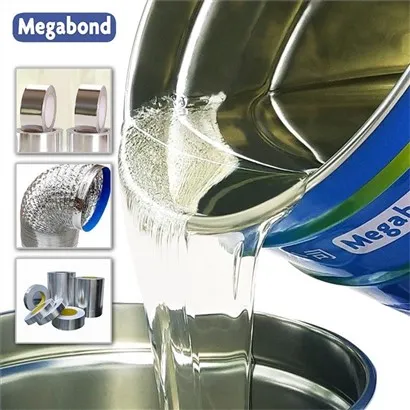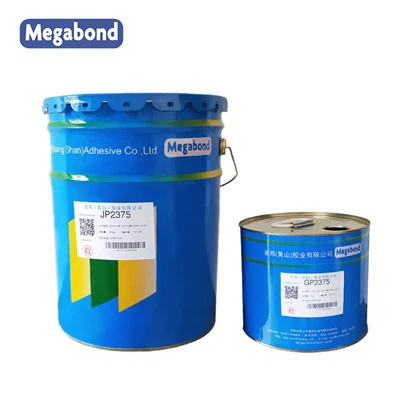


Solvent laminating adhesives are widely used in various industries for bonding different materials together. As a supplier of solvent laminating adhesives, I often receive inquiries about the compatibility of our products with specific materials. One common question is whether solvent laminating adhesive can be used for laminating rubber. In this blog post, I will explore this topic in detail, discussing the factors to consider, the potential benefits and challenges, and the types of solvent laminating adhesives that may be suitable for rubber lamination.
Understanding Solvent Laminating Adhesives
Solvent laminating adhesives are formulated with solvents that evaporate during the bonding process, leaving behind a strong adhesive film. These adhesives offer several advantages, including high initial tack, excellent bonding strength, and good resistance to heat, chemicals, and moisture. They are commonly used in applications such as flexible packaging, automotive interiors, and electronic devices.
Factors to Consider When Laminating Rubber
When considering using solvent laminating adhesive for rubber lamination, several factors need to be taken into account:
Compatibility
The first and most important factor is the compatibility between the adhesive and the rubber material. Different types of rubber have different chemical compositions and surface properties, which can affect the adhesion performance. It is essential to choose an adhesive that is specifically formulated to bond with the type of rubber you are using. For example, some adhesives may be more suitable for natural rubber, while others may work better with synthetic rubbers such as neoprene or nitrile rubber.
Surface Preparation
Proper surface preparation is crucial for achieving strong and durable adhesion between the adhesive and the rubber. The rubber surface should be clean, dry, and free of any contaminants such as oil, grease, or dust. In some cases, it may be necessary to treat the rubber surface with a primer or a surface activator to improve the adhesion.
Temperature and Pressure
The temperature and pressure conditions during the lamination process can also affect the adhesion performance. Solvent laminating adhesives typically require a certain amount of heat and pressure to cure properly and form a strong bond. The optimal temperature and pressure settings will depend on the specific adhesive and rubber materials being used, as well as the application requirements.
Environmental Conditions
The environmental conditions in which the laminated rubber will be used can also impact the adhesion performance. Factors such as temperature, humidity, and exposure to chemicals or UV radiation can cause the adhesive to degrade over time, leading to a loss of adhesion. It is important to choose an adhesive that is resistant to the specific environmental conditions of the application.
Potential Benefits of Using Solvent Laminating Adhesive for Rubber Lamination
Despite the challenges, there are several potential benefits to using solvent laminating adhesive for rubber lamination:
Strong Bonding Strength
Solvent laminating adhesives can provide a strong and durable bond between the rubber and other materials, ensuring that the laminated structure remains intact under various conditions. This can be particularly important in applications where the rubber is subjected to high stress or movement.
Versatility
Solvent laminating adhesives can be used to bond rubber to a wide range of materials, including plastics, metals, and fabrics. This versatility makes them suitable for a variety of applications, from automotive gaskets to consumer products.
Chemical Resistance
Many solvent laminating adhesives offer good resistance to chemicals, oils, and solvents, which can be beneficial in applications where the rubber is exposed to these substances. This can help to extend the lifespan of the laminated rubber and prevent damage or degradation.
Flexibility
Solvent laminating adhesives can provide a flexible bond, allowing the rubber to maintain its elasticity and flexibility after lamination. This can be important in applications where the rubber needs to bend or stretch without losing its adhesion.
Challenges of Using Solvent Laminating Adhesive for Rubber Lamination
While there are many potential benefits to using solvent laminating adhesive for rubber lamination, there are also some challenges that need to be addressed:
Solvent Emissions
Solvent laminating adhesives contain volatile organic compounds (VOCs) that can be released into the environment during the curing process. These VOCs can contribute to air pollution and may pose a health risk to workers if not properly controlled. It is important to choose an adhesive that has low VOC emissions and to follow proper safety procedures when using the adhesive.
Curing Time
Solvent laminating adhesives typically require a certain amount of time to cure properly and form a strong bond. The curing time can vary depending on the specific adhesive and rubber materials being used, as well as the temperature and humidity conditions. This can slow down the production process and may require additional equipment or storage space.
Adhesion Failure
In some cases, the adhesive may fail to bond properly to the rubber, resulting in a loss of adhesion. This can be caused by a variety of factors, including poor surface preparation, incompatible materials, or incorrect curing conditions. It is important to test the adhesive on a small sample of the rubber before applying it to the entire surface to ensure that it provides a strong and durable bond.
Types of Solvent Laminating Adhesives Suitable for Rubber Lamination
As a supplier of solvent laminating adhesives, we offer a range of products that are suitable for rubber lamination. Some of the types of adhesives that may be suitable for this application include:
Solvent-based Anti-Additives Laminating Adhesive
This type of adhesive is formulated to provide excellent adhesion to a variety of rubber materials, including natural rubber, neoprene, and nitrile rubber. It offers good resistance to heat, chemicals, and moisture, and is suitable for applications where the rubber is exposed to harsh environments.
Solvent-based 100℃ Anti-Boiling Laminating Adhesive
This adhesive is designed to withstand high temperatures and boiling water, making it suitable for applications where the rubber needs to be sterilized or cleaned in hot water. It provides a strong and durable bond to rubber materials, and is resistant to chemicals and solvents.
Solvent-based 121℃ Anti-Retorting Laminating Adhesive
This adhesive is specifically formulated for use in retort packaging applications, where the laminated rubber is subjected to high temperatures and pressures during the sterilization process. It offers excellent adhesion to rubber materials and provides a strong and durable bond that can withstand the harsh conditions of retorting.


Conclusion
In conclusion, solvent laminating adhesive can be used for laminating rubber, but it is important to consider the compatibility between the adhesive and the rubber material, as well as the surface preparation, temperature and pressure conditions, and environmental factors. While there are some challenges associated with using solvent laminating adhesive for rubber lamination, there are also many potential benefits, including strong bonding strength, versatility, chemical resistance, and flexibility.
As a supplier of solvent laminating adhesives, we have the expertise and experience to help you choose the right adhesive for your rubber lamination application. If you have any questions or need further information, please do not hesitate to contact us. We would be happy to discuss your specific requirements and provide you with a customized solution.
References
- "Adhesive Bonding of Rubber to Other Materials," Rubber Handbook, The International Institute of Synthetic Rubber Producers, Inc.
- "Solvent-Based Adhesives: Properties and Applications," Adhesives and Sealants Handbook, Second Edition, Edited by Andrew T. DiBenedetto.
- "Laminating Adhesives for Flexible Packaging," Flexible Packaging, Vol. 43, No. 10, October 2010.