

When it comes to solvent-based lamination adhesives, one of the most frequently asked questions is, "Does solvent based lamination adhesive have a strong odor?" As a supplier of solvent-based lamination adhesives, I'm here to provide you with a comprehensive answer based on scientific knowledge and practical experience in the industry.
Understanding Solvent-Based Lamination Adhesives
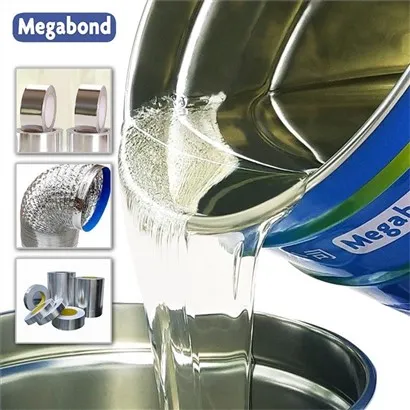
Solvent-based lamination adhesives are widely used in various industries, especially in packaging and printing. These adhesives consist of a polymer resin dissolved in a solvent. The solvent plays a crucial role in the application process. It helps to reduce the viscosity of the adhesive, making it easier to spread evenly on the substrates. When the adhesive is applied and the solvent evaporates, the resin forms a strong bond between the layers of materials.
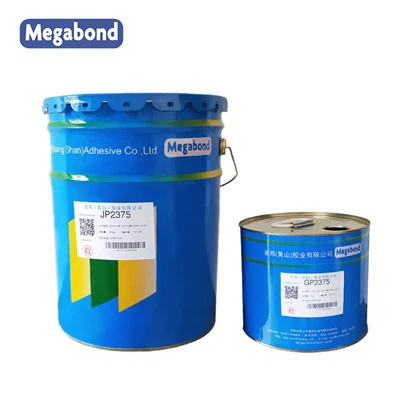
There are different types of solvent-based lamination adhesives available in the market. For instance, our Solvent-based Economical Laminating Adhesive is designed for cost - effective applications without compromising on quality. The Solvent-based Anti-Chemicals Polyether Laminating Adhesive offers excellent resistance to chemicals, making it suitable for packaging products that may come into contact with various substances. And the Solvent-based MET Plastic Film Laminating Adhesive is specifically formulated for laminating metalized plastic films.
The Source of Odor in Solvent-Based Lamination Adhesives
The odor associated with solvent-based lamination adhesives primarily comes from the solvents used in their formulation. Common solvents include toluene, ethyl acetate, and methyl ethyl ketone. These solvents have characteristic smells that can be quite strong, especially during the application process when the solvent is evaporating.
The strength of the odor can vary depending on several factors. Firstly, the type of solvent used is a significant determinant. Some solvents have a more pungent odor than others. For example, toluene has a relatively strong and distinct smell compared to ethyl acetate, which has a more fruity and less offensive odor.
Secondly, the concentration of the solvent in the adhesive also affects the odor. Adhesives with a higher solvent content are likely to emit a stronger odor. Additionally, the application conditions, such as temperature and ventilation, can influence how noticeable the odor is. Higher temperatures can accelerate the evaporation of the solvent, leading to a more intense odor in the immediate vicinity. Poor ventilation can cause the odor to accumulate in the work area, making it seem even stronger.


Measuring and Controlling the Odor
In the industry, there are methods to measure the odor of solvent-based lamination adhesives. One common approach is sensory evaluation, where trained panelists rate the intensity and character of the odor. Another method is using analytical instruments, such as gas chromatography - mass spectrometry (GC - MS), to identify and quantify the volatile organic compounds (VOCs) responsible for the odor.
To control the odor, adhesive manufacturers, including us, take several measures. We are constantly researching and developing new formulations that use solvents with lower odor profiles. For example, we are exploring the use of alternative solvents that have a milder smell while still maintaining the performance of the adhesive.
In addition to reformulating the adhesives, proper ventilation systems are essential in the application area. Adequate ventilation can quickly remove the solvent vapors from the work environment, reducing the concentration of the odor. We also provide guidelines to our customers on how to optimize the application process to minimize odor emissions. For example, applying the adhesive at the recommended temperature and thickness can help to ensure efficient solvent evaporation and reduce the overall odor.
Impact of Odor on Applications
The odor of solvent-based lamination adhesives can have both positive and negative impacts on their applications. On the negative side, a strong odor can be a significant concern in indoor work environments. It can cause discomfort to workers, leading to reduced productivity and potential health issues. Prolonged exposure to high levels of solvent vapors can cause respiratory problems, headaches, and dizziness.
In some applications, such as food packaging, a strong odor can be a deal - breaker. Consumers expect food packaging to be odor - free to ensure the quality and safety of the food inside. If the adhesive used in the packaging emits a strong odor, it can transfer to the food, affecting its taste and smell.
However, in some industrial applications where odor is not a critical factor, solvent-based lamination adhesives are still preferred due to their excellent bonding strength and other performance characteristics. For example, in the production of automotive interior components or industrial packaging, the strength and durability of the adhesive are more important than a slight odor.
Our Commitment as a Supplier
As a supplier of solvent-based lamination adhesives, we are committed to providing high - quality products while addressing the odor issue. We invest heavily in research and development to improve the odor profiles of our adhesives. Our team of scientists and engineers is constantly working on new formulations and technologies to reduce odor emissions without sacrificing the performance of the adhesives.
We also offer comprehensive technical support to our customers. We can help them select the most suitable adhesive for their specific applications, taking into account factors such as odor requirements, bonding strength, and cost. We provide on - site training on the proper use and handling of our adhesives to ensure that the application process is carried out in the most odor - efficient way.
Conclusion
In conclusion, solvent-based lamination adhesives can have a strong odor, but the strength of the odor depends on various factors such as the type of solvent, solvent concentration, and application conditions. At our company, we are dedicated to minimizing the odor of our products through continuous research and development, as well as providing support to our customers on odor control.
If you are in the market for solvent-based lamination adhesives and have concerns about odor or other performance aspects, we invite you to contact us for a detailed discussion. We can provide samples for you to test and offer customized solutions based on your specific needs. Let's work together to find the best adhesive solution for your applications.
References
- ASTM International. Standard test methods for sensory evaluation of consumer products.
- European Union. Directive on the limitation of emissions of volatile organic compounds (VOCs) due to the use of organic solvents in certain activities and installations.
- Industry reports on solvent-based lamination adhesives and their environmental and health impacts.